
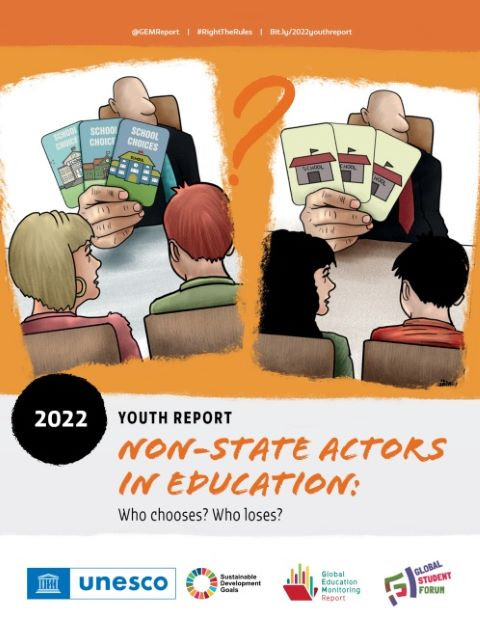
Youth Report 2022: Non-state Actors in Education; Who Chooses? Who Loses?
- المؤلف المؤسسي
- منظمة الأمم المتحدة للتربية والعلم والثقافة (UNESCO)
- ISBN
- ISBN 978-92-3-100527-5 (eng); ISBN 978-92-3-200264-8 (fre); ISBN 978-92-3-300189-3 (spa)
- الترتيب
- 25 p.
- لغة المورد
- الإنجليزية
- سنة النشر
- 2022
- الموضوعات
- المدنية / المواطنة / الديمقراطيةمحو الأمية الإعلامية والمعلوماتية / المواطنة الرقميةحقوق الإنسانالعولمة والعدالة الاجتماعية / التفاهم الدوليالتنوع / محو الأمية الثقافية / الشموليةالتنمية المستدامة / الاستدامةأخرى
- أنواع الموارد
- الأوراق البحثية/ مقالات المجالات
- مستوى التعليم
- رعاية وتعليم الطفولة المبكرةالتعليم الابتدائيالتعليم الثانويالتعليم العاليالتعلم مدى الحياةالتعليم والتدريب التقني والمهنيالتعليم غير الرسمي
- المناطق
- جميع دول العالم
- مكان النشر
- Paris
This report is written in partnership with the Global Student Forum to help you learn about the youth perspective on the different roles and impact of non-state actors in education. For many, a discussion on the role of non-state actors in education quickly boils down to a debate about whether private schools support or undermine good-quality education.
But the role of non-state actors impacts many more corners of the education sector, from the textbooks you use, the food in your canteens, any additional tutorial support you get, the skills you might learn at work and much more.
The report invites youth to join a call for governments to #RightTheRules which will ensure that non-state actor involvement does not compromise the promise of providing 1 year of pre-primary and 12 years of primary and secondary education free for all.
موارد ذات صلة
-
 IIEP-UNESCO 12th Medium-Term Strategy: 2026–2029
 -
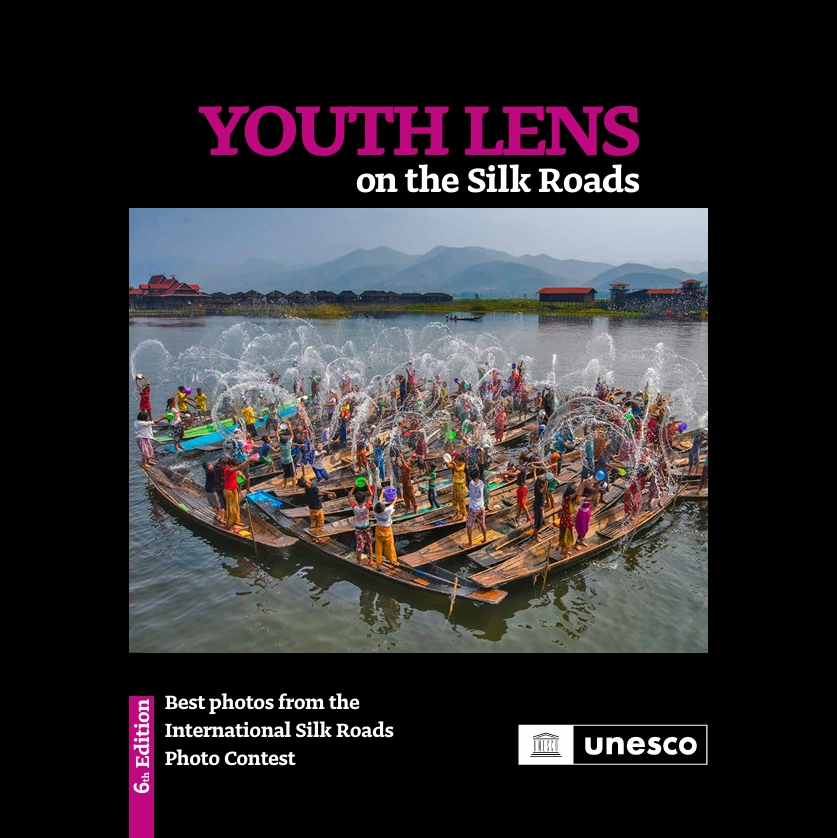 Youth Lens on the Silk Roads: Best Photos from the International Silk Roads Photo Contest; 6th Edition
 -
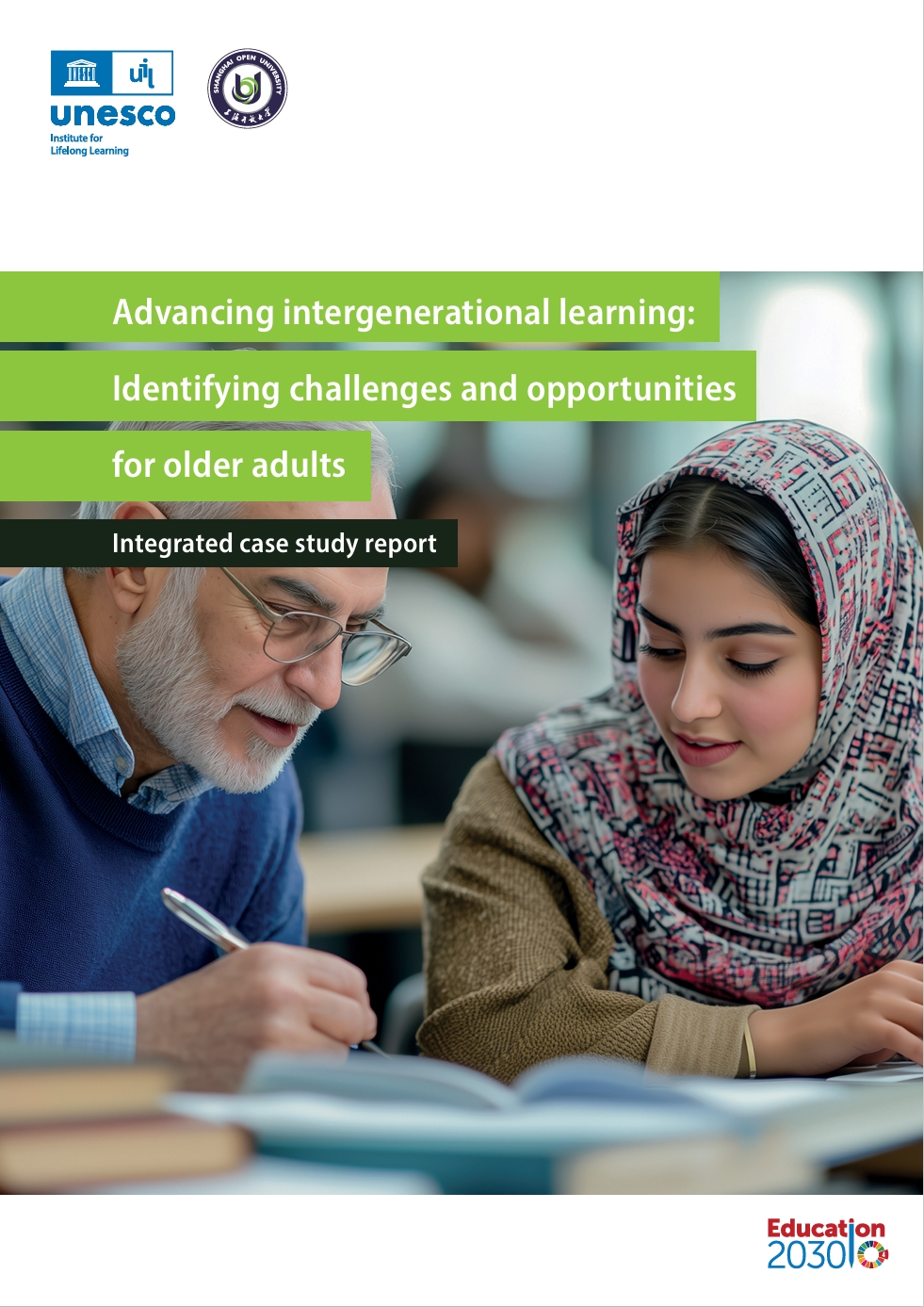 Advancing Intergenerational Learning: Identifying Challenges and Opportunities for Older Adults; Integrated Case Study Report
 -
 Digital Empowerment for Lifelong Learning and Transformative Andragogy (DELTA) for Adult Educators: Introduction to the DELTA Framework and Resources