
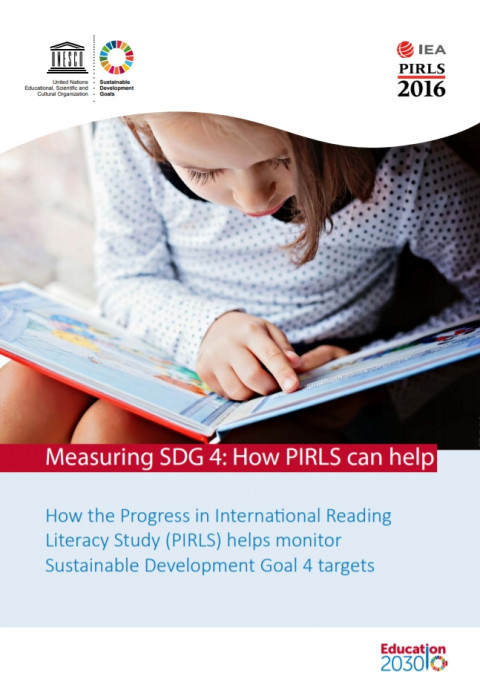
Measuring SDG 4: how PIRLS can help; how the Progress in International Reading Literacy Study (PIRLS) helps monitor Sustainable Development Goal 4 targets
- Корпоративный автор
- International Association for the Evaluation of Educational Achievement (IEA)
- Колляция
- 16 p.
- Язык ресурса
- АнглийскийФранцузский
- Год публикации
- 2017
- Тема
- Глобализация и социальная справедливость / Международное взаимопониманиеУстойчивое развитие / УстойчивостьДругое
- Тип ресурса
- Доклады конференций и программ
- Уровень образования
- Раннее детское развитие, уход и образованиеНачальное образованиеСреднее образованиеОбучение на протяжении всей жизниНеформальное образование
- Регион
- Глобальный
- Место публикации
- Amsterdam
This booklet has been prepared for the international release of the 2016 Progress in International Reading Literacy Study (PIRLS) and ePIRLS at UNESCO. PIRLS is one of the International Association for the Evaluation of Educational Achievement’s (IEA) core largescale international assessment projects, successfully administered every five years since 2001. It provides internationally comparative data on how well children read by assessing grade 4 students’ reading achievement and offers policyrelevant information for improving teaching and learning. Initiated in 2016, ePIRLS is an extension of PIRLS that monitors how well grade 4 students read, interpret, and critique online information in an environment that looks and feels like the Internet.
Связанные ресурсы
-
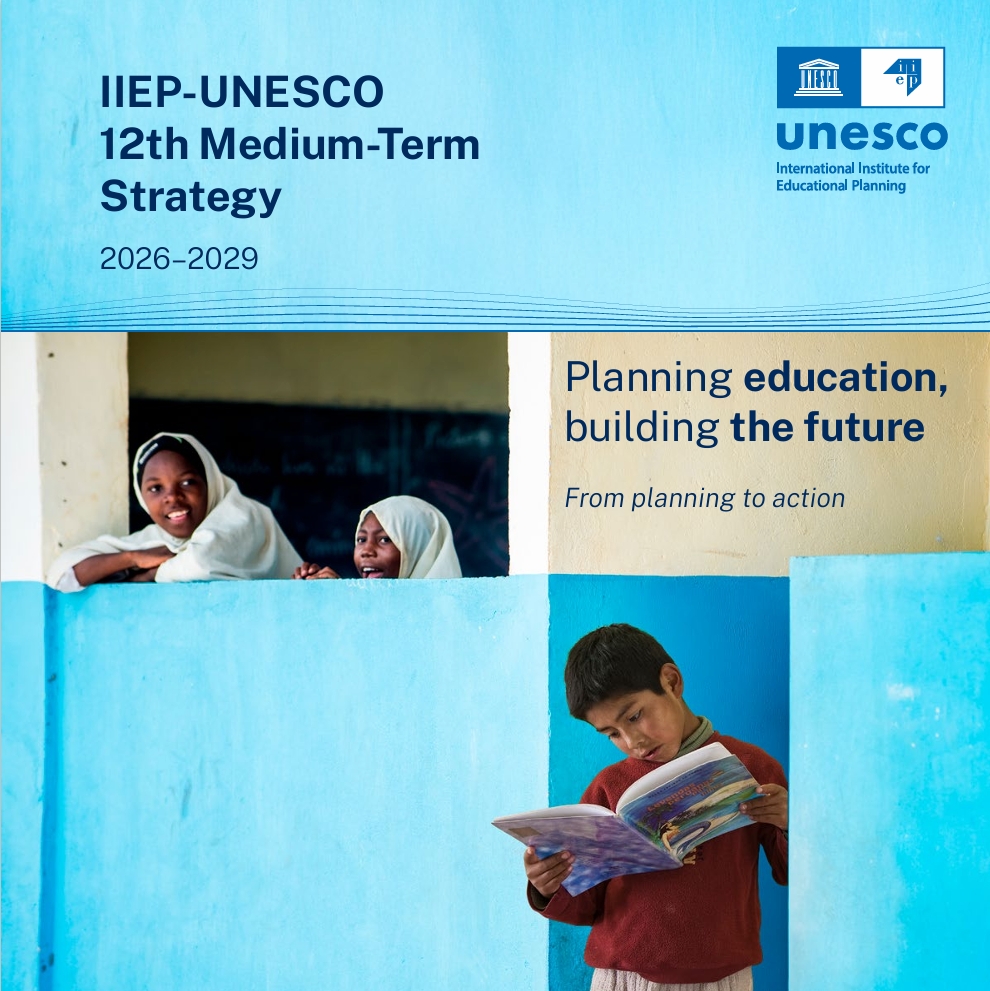 IIEP-UNESCO 12th Medium-Term Strategy: 2026–2029
 -
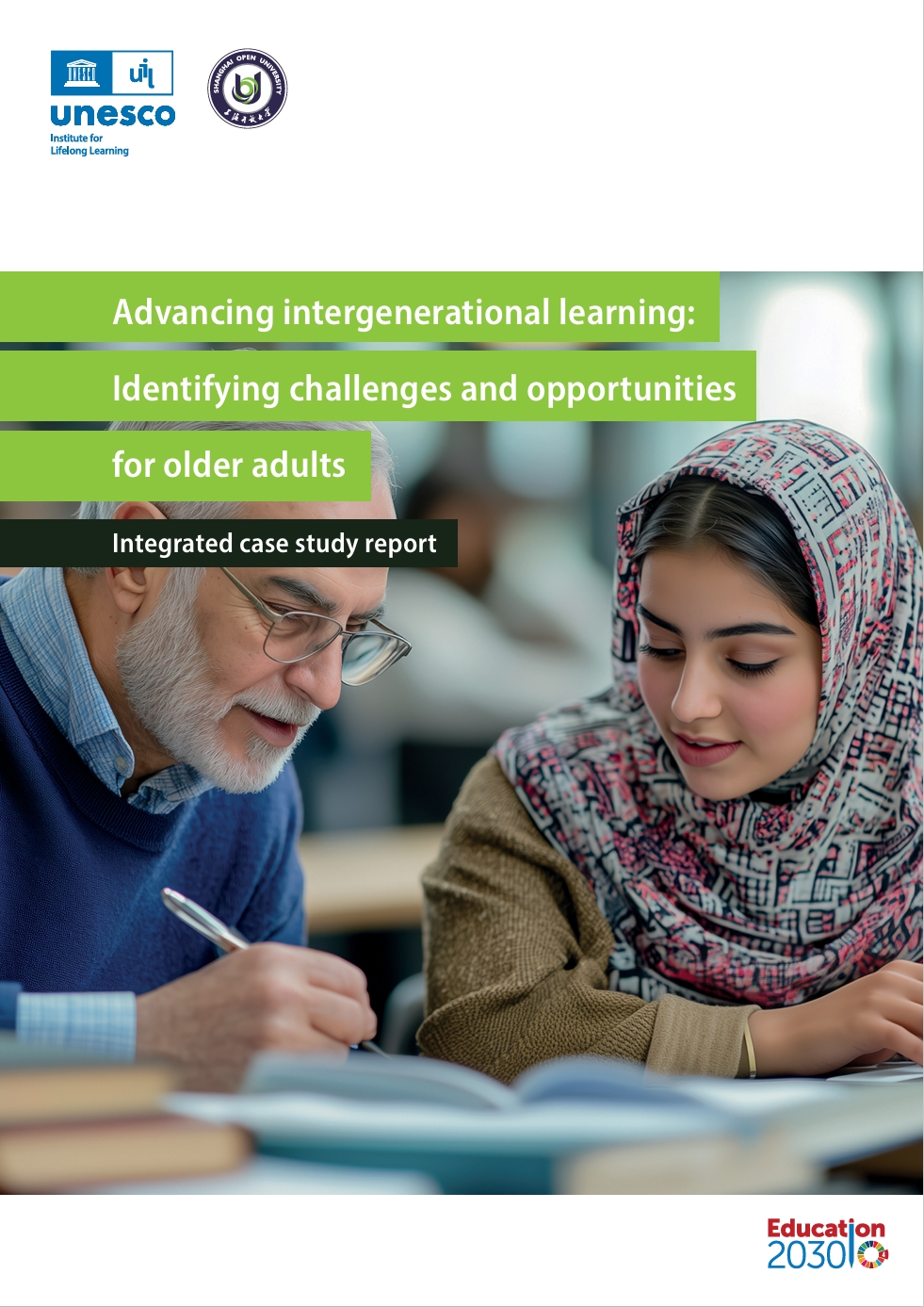 Advancing Intergenerational Learning: Identifying Challenges and Opportunities for Older Adults; Integrated Case Study Report
 -
 Digital Empowerment for Lifelong Learning and Transformative Andragogy (DELTA) for Adult Educators: Introduction to the DELTA Framework and Resources
 -
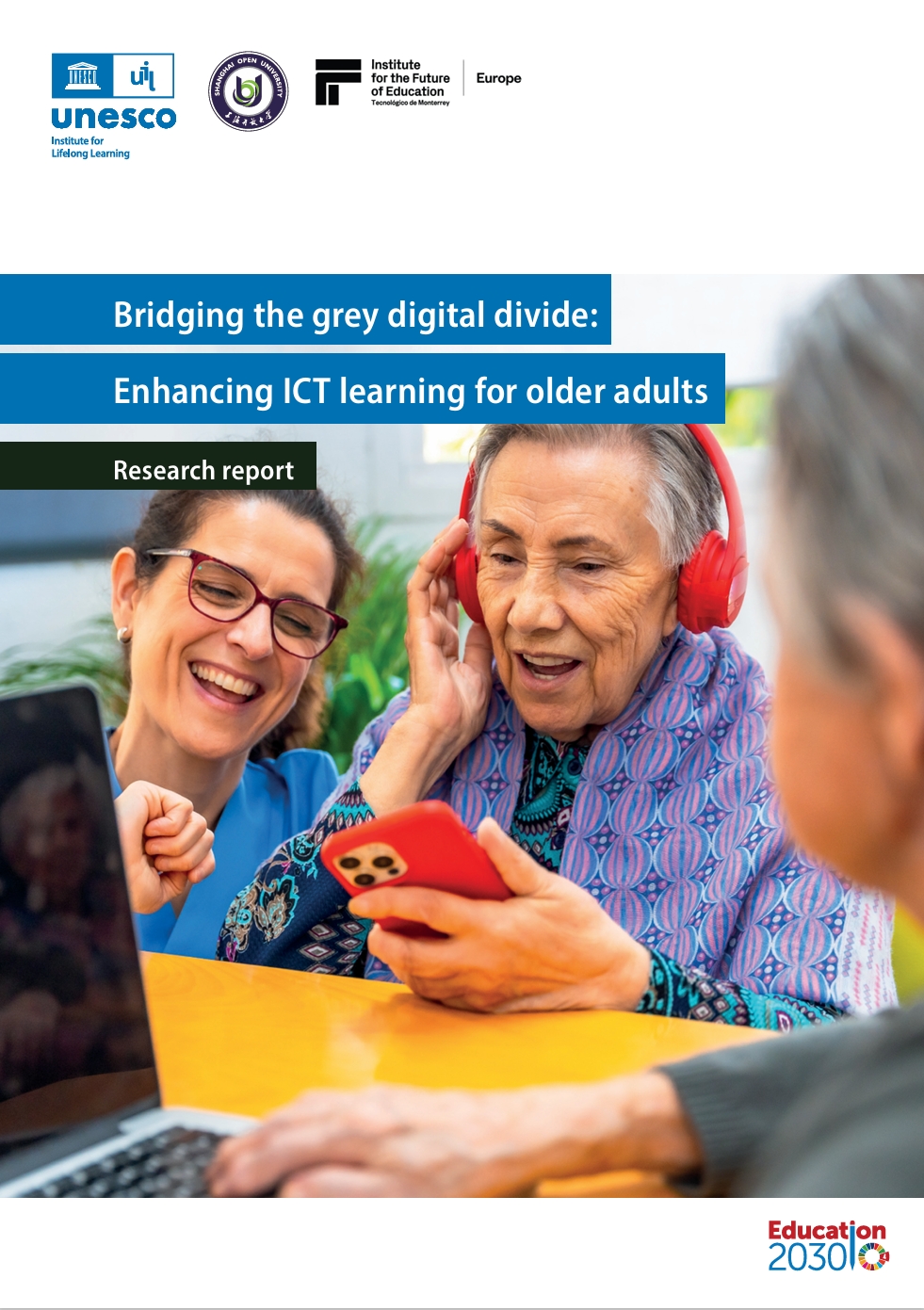 Bridging the Grey Digital Divide: Enhancing ICT Learning for Older Adults; Research Report