
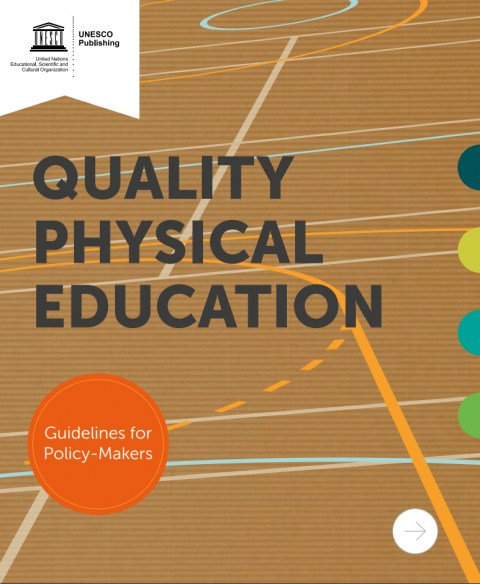
Quality Physical Education (QPE): guidelines for policy makers
- Корпоративный автор
- Организация Объединенных Наций по вопросам образования, науки и культуры (UNESCO)
- ISBN
- ISBN 978-92-3-100059-1
- Колляция
- 88 p.
- Язык ресурса
- АнглийскийФранцузскийИспанскийПортугальский
- Год публикации
- 2015
- Ключевые слова
- Устойчивое развитиеViolenceРавенство полов
- Тема
- Гражданственность / Гражданство / ДемократияМир / Культура мираРазнообразие / Культурная грамотность / ИнклюзивностьУстойчивое развитие / Устойчивость
- Тип ресурса
- Международные нормативные документы / политика и адвокационные документыУчебные программы, методические материалы и руководства
- Уровень образования
- Раннее детское развитие, уход и образованиеНачальное образованиеСреднее образование
- Регион
- Глобальный
- Место публикации
- Paris
A key feature of the Post-2015 Development Agenda is sustainable development. Sustainable development starts with safe, healthy, well-educated children. Participation in quality physical education (QPE), as part of a rounded syllabus, enhances young peoples’ civic engagement, decreases violence and negative patterns of behaviour, and improves health awareness. The UNESCO QPE Policy Package is an original piece of work, which draws upon results from extensive global research (including the Worldwide Survey of School Physical Education). These guidelines, designed for global application and local adaptation, provide a means of analysing current policy through practical guidance and a ‘how-to’ approach. The materials have been developed in consultation with key partners including the European Commission, the International Council for Sport Science and Physical Education (ICSSPE), UNDP, UNICEF, UNOSDP and WHO.
Связанные ресурсы
-
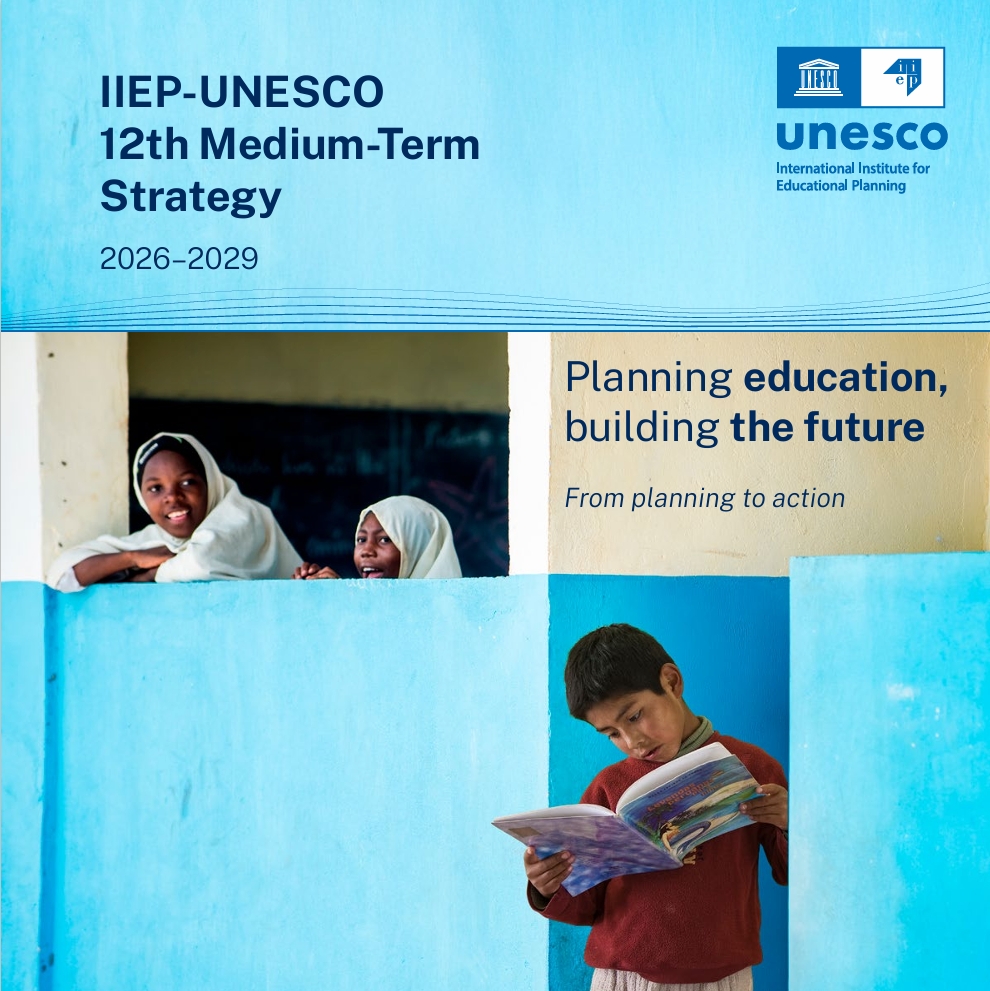 IIEP-UNESCO 12th Medium-Term Strategy: 2026–2029
 -
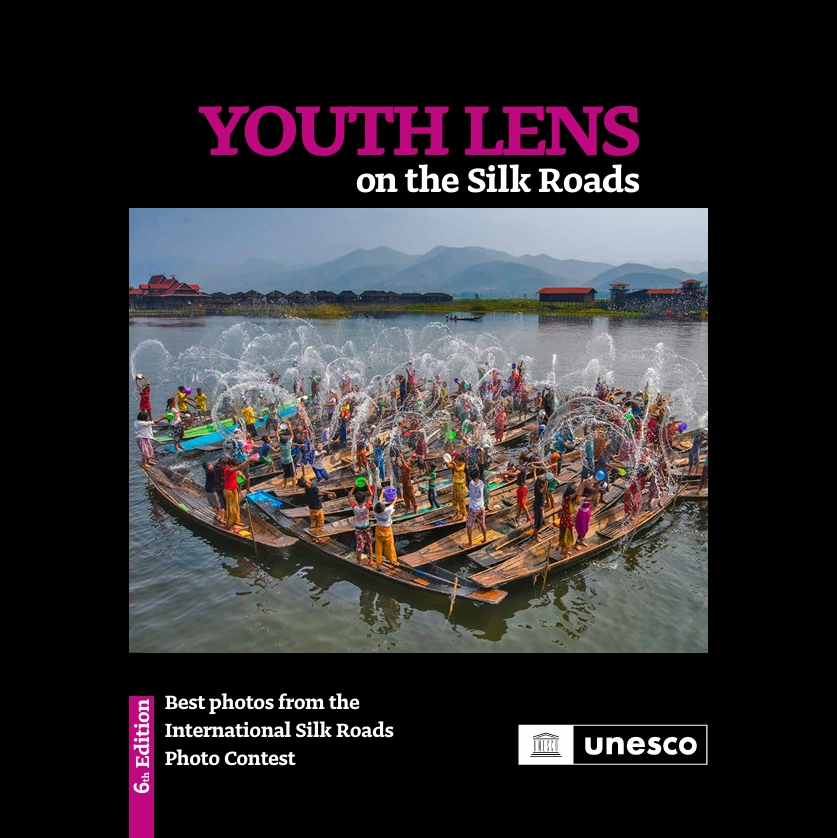 Youth Lens on the Silk Roads: Best Photos from the International Silk Roads Photo Contest; 6th Edition
 -
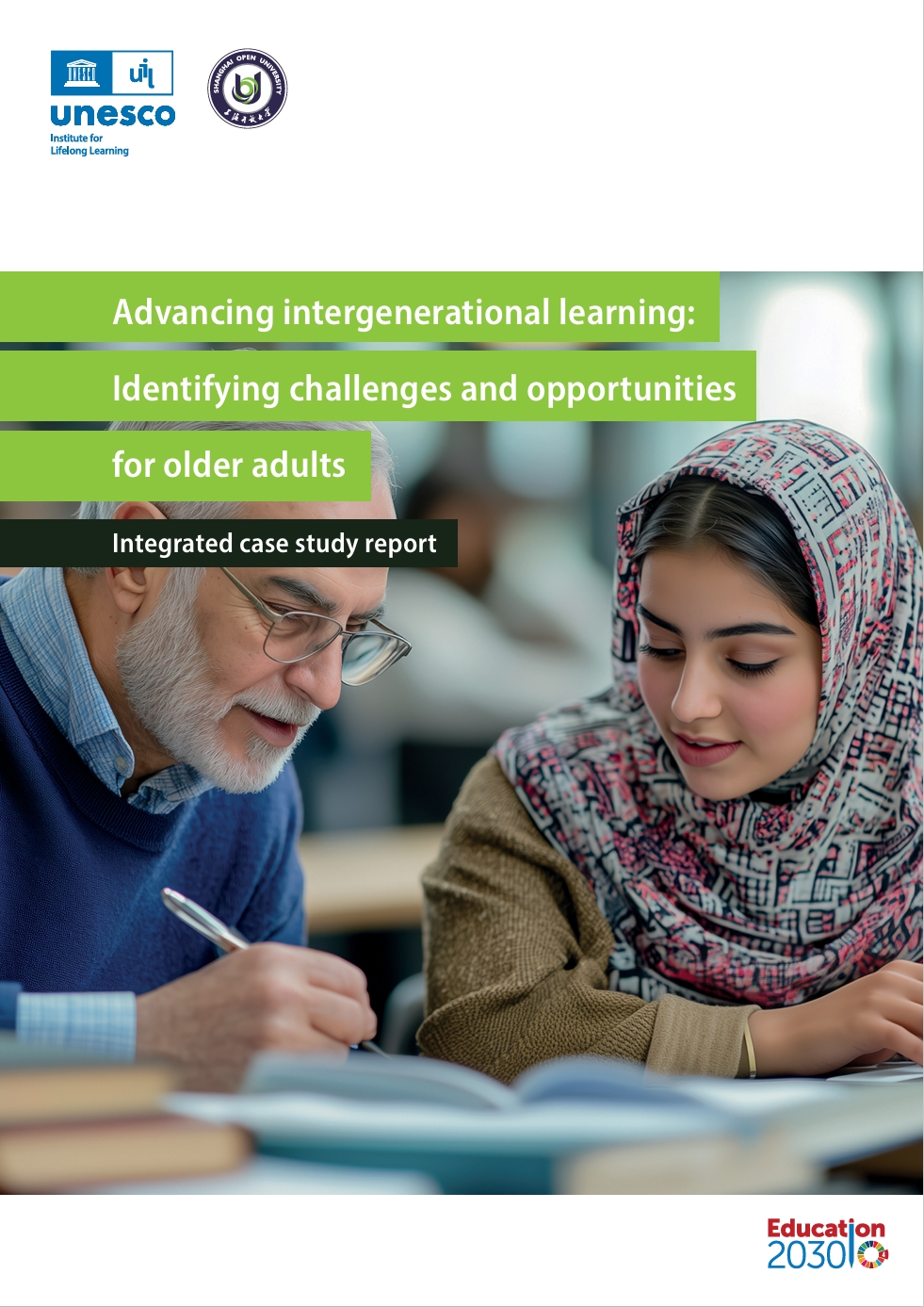 Advancing Intergenerational Learning: Identifying Challenges and Opportunities for Older Adults; Integrated Case Study Report
 -
 Digital Empowerment for Lifelong Learning and Transformative Andragogy (DELTA) for Adult Educators: Introduction to the DELTA Framework and Resources