
News
Follow the newest trends and news in GCED.
1,676 Results found
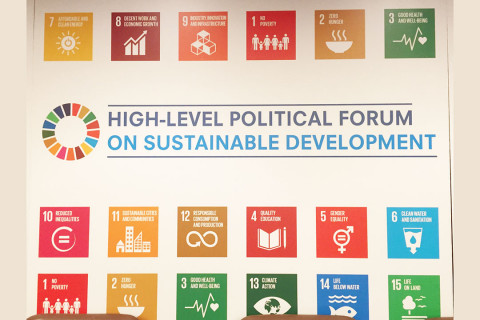 As Decade of Action Has Become a Decade of Recovery, HLPF Focuses on Pandemic Response 22 July 2020 The annual meeting of the High-level Political Forum on Sustainable Development (HLPF) took place during its originally scheduled dates, but the COVID-19 pandemic meant that other resemblances to previous HLPF sessions were limited. IISD’s Earth Negotiations Bulletin highlights that, while the 7-16 July 2020 HLPF session “was originally intended to initiate a new four-year cycle to review the implementation of the Sustainable Development Goals (SDGs) and assess progress towards achieving the 2030 Agenda for Sustainable Development (2030 Agenda)…it ended up being a rather unusual session.” The agenda was reoriented to focus on the pandemic and the event took place in a virtual format. By the conclusion of the eighth day, 72,000 viewers had followed the sessions online and over 240 side events had taken place, not to mention numerous special events, Voluntary National Review (VNR) “Labs” and other online discussions to address key challenges and directions forward for post-pandemic recovery. The ENB report notes that UN Secretary-General António Guterres “put in perspective why the HLPF had to go ahead and meet even in a year when most other multilateral meetings and processes ground to a standstill.” He attributed the “devastating impact of COVID-19 to past and present failures in: taking the SDGs seriously; addressing inequalities; investing in resilience; empowering women and girls; heeding warnings about the damage to the natural environment; addressing climate change; and valuing international cooperation and solidarity.” Echoing this theme, UNGA President Tijjani Muhammad-Bande warned that the “decade of action” has become a “decade of recovery,” and “called for the SDGs to be at the forefront of government strategies for recovery, to safeguard communities against future shocks.” A central focus of the HLPF is the presentation of Voluntary National Reviews (VNRs). This year, 47 countries presented VNRs, with 26 presenting for the first time, 20 for the second time, and 1 for the third time. Countries were given the option of livestreaming their presentation, sending pre-recorded presentations, or mixing these two options. A summary of the VNRs, with links to the full documents, is here. Among the HLPF 2020 takeaways discussed during an IISD wrap-up webinar were: speakers voiced strong calls for solidarity, inclusion and multilateralism; SDG implementation efforts should transition from a focus on individual goals to systemic responses; “Leave No One Behind” was emphasized, primarily with a focus on social protection; the pandemic’s economic consequences require attention, with speakers discussing associated debt relief and finance implications; and Major Groups made their voices heard, particularly women and youth. Unlike other HLPF sessions, this meeting did not conclude with the adoption of a Ministerial Declaration. A draft had been developed, but agreement had not been reached by the close of the meeting on 16 July. ECOSOC President Mona Juul reported that “an ambitious declaration was emerging, but some issues required further discussion.” On Friday, 17 July, she circulated a revised draft ministerial declaration and said that, if Member States raise no objection before 5:00 pm EDT on 22 July, the declaration will be considered as adopted. We will update this story once the silence procedure concludes. related events: High-level Political Forum on Sustainable Development (HLPF) 2020 URL:http://sdg.iisd.org/news/as-decade-of-action-has-become-a-decade-of-recovery-hlpf-focuses-on-pandemic-response/
 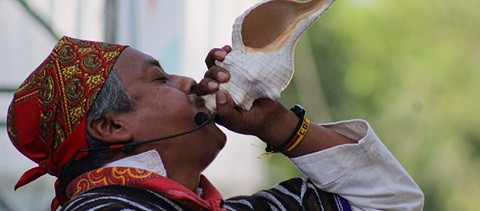 Los Pinos Declaration [Chapoltepek] lays foundations for global planning for the International Decade of Indigenous Languages 22 July 2020 A significant step has been taken with the publishing of the “Los Pinos Declaration [Chapoltepek] – Making a Decade of Action for Indigenous Languages”. The Declaration is the Outcome Document of the high-level closing event of the International Year of Indigenous Languages (IYIL2019) and is now available online in English, French and Spanish. “The ongoing COVID-19 pandemic has had a disproportionate impact on indigenous communities, and has highlighted once again the importance of linguistic diversity, including in times of crisis,” emphasized UNESCO’s Assistant Director-General for Communication and Information, Mr Moez Chakchouk, during the online event organized by the UNESCO Office in Mexico on 15 July 2020 to launch the release of the Los Pinos Declaration. Underscoring the significance of the document, he added: “There is an urgent need to draw attention to the critical loss of indigenous languages; to preserve, revitalize and promote them; and to take steps both at the national and international levels”. Lauding the content of the declaration, UNESCO Goodwill Ambassador for the indigenous peoples, Ms Yalitza Aparicio, expressed: “I wish with all my heart that the Declaration of Los Pinos ‘Building a Decade of Actions for Indigenous Languages’, obtains fruitful results and that we realize that the world must be united, not only by obligation, but by empathy, and that it is essential form alliances and take inclusive actions to stop the progressive disappearance faced by the 6,700 indigenous languages in the world, since 2,680 (40%) of the languages are in imminent danger of disappearing. It is in our hands to prevent this tragedy”. The Secretary of Culture of Mexico, Ms Alejandra Frausto Guerrero, also emphasized the importance of a long-term commitment to the cause of indigenous languages: “As a Nation, we know that one year - although the International Year of Indigenous Languages was very worthy - is not enough to build substantive public policies in the face of the threat posed by the unification of a single culture or the predominance of a single culture over the others. The drive ant intention of being on the forefront of this effort to seek to seek this declaration, to make propose a decade is because we believe that in 10 years that seed can be sown, multiple seeds much deeper.” The Los Pinos Declaration [Chapoltepek] comes out of the high-level closing event which was organized by UNESCO and the Government of Mexico, in cooperation with regional, national and international partners, on 27 and 28 February 2020 at the Los Pinos palace within the Chapoltepek Forest, Mexico City, Mexico. The Los Pinos Outcome Document presents the key lessons learnt from the activities during IYIL2019. It includes milestones for developing the future Global Action Plan for the International Decade of Indigenous Languages (2022-2032), which was proclaimed by the United Nations General Assembly on 18 December 2019. It sets out the key guiding principles for the International Decade, including the centrality of indigenous peoples with the slogan ‘Nothing for us without us’. The Declaration asserts this principle in decision-making, consultation, planning and implementation processes. This centrality, according to the Declaration, also applies to the compliance with international norms and standards protecting indigenous peoples, and to coordination across the UN-system. The document also highlights expected impact and outcomes of the International Decade, such as the need for the full spectrum of human rights and fundamental freedoms that deal with language vitality and sustainability issues, greater engagement, inclusion and empowerment of indigenous language users. The objectives of the International Decade are also outlined according to a timeframe that seeks to culminate in the mainstreaming of indigenous languages, linguistic diversity and multilingualism-related aspects into global sustainable development frameworks. In order to ensure that indigenous language users are recognized in economic, political, social and cultural spheres, the Declaration identifies strategic directions for enhancing: Inclusive and equitable education and learning environments for the promotion of indigenous languages; Indigenous languages in justice and public services; Indigenous languages, climate change and biodiversity; Digital empowerment, language technology and indigenous media; Indigenous languages for better health, social cohesion and humanitarian response; Safeguarding cultural and linguistic heritage: indigenous languages as vehicle of living heritage; Creating equal employment opportunities in indigenous languages and for indigenous language; Indigenous languages for gender equality and women’s empowerment. The release of the Los Pinos Declaration marks a critical step towards building the Global Action Plan for the International Decade. It creates a platform for joint, targeted and long-term actions in promoting indigenous languages worldwide, and draws from the lessons learnt and good practices of the IYIL2019. UNESCO, as lead UN agency of the IYIL2019, will be coordinating the implementation of the International Decade of Indigenous Languages, including its preparatory phase 2020 - 2021, in cooperation with other UN agencies and a wide range of stakeholders. Useful Links Los Pinos Declaration English | Français | Español Online presentation of the “Los Pinos Declaration (Chapoltepek)”, organized by UNESCO Mexico in cooperation with the Mexican Ministry of Culture, 15 July 2020 High-level closing event of the IYIL2019 “Making a decade of action for indigenous languages” (27-28 February 2020, Mexico City, Mexico) Rights of indigenous peoples, Resolution adopted by the General Assembly on 18 December 2019 A/RES/74/135 [on the report of the Third Committee (A/74/396)], Seventy-fourth session, Agenda item 67 (a) (UNGA) Strategic Outcome Document of the IYIL2019 IYIL2019 Website English https://en.iyil2019.org/ Français https://fr.iyil2019.org/ Español https://es.iyil2019.org/ IYIL2019 Social Media Facebook https://www.facebook.com/IYIL2019 @IYIL2019 Twitter https://twitter.com/IYIL2019 Instagram https://www.instagram.com/indigenouslanguages/ Hashtags #Indigenouslanguages #WeAreIndigenous URL:https://en.unesco.org/news/pinos-declaration-chapoltepek-lays-foundations-global-planning-international-decade-indigenous
 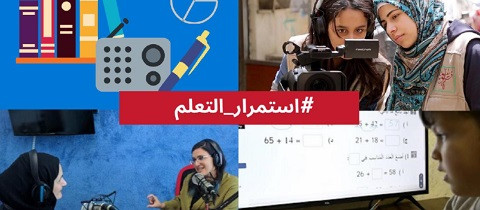 Virtual workshop on distance education programmes using radio and television in the Arab States 22 July 2020 In the Arab region, where 13 million children and youth are already out-of-school due to conflict, an additional 100 million learners have been affected by school closure due to the COVID-19 pandemic. In a similar manner as countries of other regions, some Arab countries have adopted online learning modalities to provide alternative educational resources for students amid suspension of regular classes. However, given that more than half (51.3%) of the population in the Arab States are not using the Internet nor mobile internet, TV-based learning is the most widely adopted measure as opposed to radio-based learning, which is only used in a handful of countries identified by the report of the UNESCO Regional Bureau for Education in the Arab States on “Alternative Solutions to School Closure in Arab Countries”. Against this backdrop, the UNESCO Regional Bureau for Education in the Arab States (UNESCO Beirut) joined hands with the Division of Policies and Lifelong Learning Systems in the Education Sector at UNESCO Paris, the European Broadcasting Union (EBU) and the Arab States Broadcasting Union (ASBU), to organize on 21 July 2020 a virtual workshop to facilitate knowledge sharing on educational radio and television broadcasts, in the context of school closures during and after COVID-19. The webinar started with the opening remarks of Dr Hegazi Idris, Programme Specialist for Basic Education and Literacy at UNESCO Beirut, who raised the following questions: “How can quality audio-visual educational programmes be developed and implemented? What capacities are needed? What is the role of educators, communicators and education authorities in supporting TV and radio-based education? What are the expected learning outcomes and how can they be measured and monitored?” Then, Ms. Sara Bin Mahfooz, Programme Specialist at the Division of Policies and Lifelong Learning Systems at UNESCO Paris, presented a global overview of the use of TV/Radio in the context of the continuity of learning in the Arab region. Ms Bin Mahfooz said: “With the outbreak of the pandemic, UNESCO conducted a survey to monitor the use of radio and TV by Member States to ensure the continuity of learning. The study showed that 92 countries have TV or radio-based education programs- 10 percent of which are Arab States”. She added: “Survey results show that 11 out of the 13 countries in the Arab region are using TV and only 3 are using Radio”. Bin Mahfooz presented recommendations as to how to improve the quality of distance learning through Radio and TV, including the following: establishing effective collaboration between the public and private sector; being innovative in the delivery of TV/radio educational programmes through, for example, engaging celebrities and influencers to attract the learners; developing mechanisms for monitoring and assessment of learning when using TV/Radio to monitor progress ; developing educational programmes through TV and Radio as a means for learning even after the crisis is over. Mr Hani Hamed, consultant at UNESCO Beirut, presented a regional overview of the use of TV/Radio in the context of the continuity of learning. He highlighted that teaching through TV/Radio was an effective means to overcome the digital divide and provide education to children who do not have access to the internet. Hamed also spoke of the challenges and lessons learnt, and provided recommendations to improve the quality of education through TV and radio, including: ensuring the quality of educational programs, motivating learners especially the youngest among them, developing educational programmes for life skills and supporting children and families emotionally and socially, adopting various types of live and recorded broadcasts, developing partnerships with the telecommunications sector. Then, Ms Nicola Frank, Head of Institutional and International Relations at the European Broadcasting Union, spoke of the importance of public-private partnerships to ensure the continuity and quality of learning, and highlighted the key role of the Global Coalition for Education launched by UNESCO in this regard. This was followed by country presentations: Mr. Mohamed El Moustapha Idoumou Abdi Jiyed, General Secretary at the Ministry of Education in Mauritania presented the Mauritanian experience in the field of Radio/TV learning; Mr. Mohamad El Mokhtar, Deputy General Director of the educational channel at the Ministry of Education in Yemen, spoke of the Yemeni experience; Mr. Hammadi Ghidaoui, Chief Editor at the Tunisian Public Television spoke of the Tunisian experience; and Ms. Hilda Khoury, Director of the Counselling and Guidance Department (DOPS) at the Ministry of Education and Higher Education in Lebanon, and Ms. Souhad Dandash, General Coordinator for the Special Education Unit at DOPS, presented the Lebanese experience. In addition, Mr. Robert Fortuijn, Channel Manager Zapp & Zappelin, Public Broadcaster, NPO, Netherlands, made a presentation about educational Radio and TV programmes in the Netherlands, presenting the challenges, lessons learnt, and concrete examples and success stories. The event concluded with the remarks of Dr Hegazi Idris and Mr. Gwang-Chol Chang, Chief of the Division of Policies and Lifelong Learning Systems at UNESCO Paris, who praised the efforts made by the states in the Arab region to ensure the quality and continuity of learning despite school closure, and who reasserted the importance of public-private partnerships to guarantee that learning never stops, highlighting the successful example of the Global Coalition for Education launched by UNESCO at the beginning of the COVID-19 crisis. The virtual workshop provided an opportunity to share knowledge, exchange good practices in the development of educational audiovisuals, and share regional challenges and opportunities of using TV and radio in distance learning in order to strengthen collaboration between educational content developers and audiovisual specialists. The recordings of the workshop will serve as a basis for the production of modules and other resources for all interested countries. URL:https://en.unesco.org/news/virtual-workshop-distance-education-programmes-using-radio-and-television-arab-states
 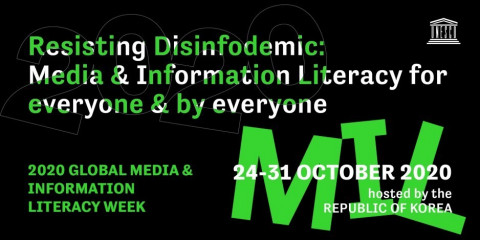 We are Resisting Disinfodemic: Global Media and Information Literacy Week 2020 22 July 2020 The recent pandemic has confronted the world with a new wave of disinformation, which affects the fight against the disease. This “disinfodemic” not only fuels risks to public health, but also feeds socio-political polarization, providing grounds for hate and division. This is the reason why the Republic of Korea and UNESCO are jointly organizing the Global Media and Information Literacy Week 2020 (24 to 31 October) under the theme “Resisting Disinfodemic: Media and Information Literacy for Everyone and by Everyone”. The feature events of Global Media and Information Literacy (MIL) Week 2020 will take place fully online due to the COVID-19 pandemic. Instead of issuing the traditional call for papers, this year’s Global MIL Week will involve select government representatives, experts, practitioners, and youth leaders to address the importance of MIL in building resilience to disinfodemic beyond the current public health crisis. Conundrum for different sectors of society is not a new phenomenon. UNESCO has been striving for decades to tackle disinformation using MIL as a potent tool. The theme for Global MIL Week 2020 thus responds to the exponentially increasing demand for MIL worldwide. It highlights the necessity of recognizing our shared interest in improving everyone’s competencies to interact with media, technology, and information, in order that they can be engaged in societies as critical-thinking citizens. It also underlines the pivotal role of MIL in fostering quality journalism, critical access to information and freedom of expression, which all have implications on how the war against disinformation can be won. To synergize with the International Day for Universal Access to Information on 28 September 2020, Global MIL Week 2020 will kick off with a set of webinars on MIL and access to information, involving various groups of youth leaders. It will be followed by a Global MIL Youth Hackathon, an international competition for youth to design innovative solutions (games, websites and applications) to disinfodemic. This year, the traditional components of Global MIL Week – its Feature Conference and Youth Agenda Forum will take the shape of a series of webinars called “In-Focus Sessions”. Experts, practitioners, policymakers, and youth in related domains will share expertise and good practices and explore avenues for cooperation during these online sessions. Global MIL Week 2020 will also aim to forge strategic partnerships around MIL by holding a United Nations Roundtable and a Virtual Partners Forum. The schedule of the In-Focus Sessions will be available shortly. Local celebrations will take place worldwide before, during and after the Week. UNESCO invites government agencies, media organizations, NGOs, private sector organizations, schools, libraries, municipalities, and other MIL stakeholders to join the Global MIL Week celebrations. See here different ways to celebrate Global MIL Week. The official website of Global MIL Week 2020 is https://en.unesco.org/commemorations/globalmilweek. The annual Global MIL Week was initiated in 2011 and celebrated on (or around) 24-31 October. It is a major occasion for stakeholders around the world to gather every year, raise public awareness, share good practices, enhance international cooperation, and most importantly, review and celebrate the achievements towards “MIL for all citizens”. To explore opportunities to become an official partner of Global MIL Week 2020, please contact Alton Grizzle (a.grizzle@unesco.org) or Xu Jing (ji.xu@unesco.org). URL:https://en.unesco.org/news/we-are-resisting-disinfodemic-global-media-and-information-literacy-week-2020
  [APCEIU Insights] Choosing Our Post-Pandemic World 21 July 2020 Ilan Kelman (Professor of Disasters and Health, University College London) The 2020 COVID-19 pandemic has uprooted our lives and livelihoods. Most readers here have engaged in extensive international travel, now curtailed for an extended period. Most of us expect to be able to buy what we need when we want, often being able to afford our choices without too much trouble. We expect to be able to use our income which is certainly hard-earned and deserved to go out for good food with good friends at will, an experience that is now inhibited. All these are far from the reality of life experienced by most people. Even being healthy and energetic with full stomachs and plenty of drinking and washing water each day is not the typical experience of most people around the world, particularly those who will never have the opportunity to read this article. And when we do not feel so healthy, despite the difficulties with many healthcare systems, we typically have options for seeing professionals to hope for sound advice and a cure. As we consider our post-pandemic world, seeking opportunities to build up and push forward global citizenship and solidarity, what does it really mean for those who do have few options to lead the efforts? For most of them, the pandemic has meant mainly fewer opportunities for livelihoods and more opportunities to die of illness. A Fundamental Question For me, choosing our post-pandemic world involving everyone together is fundamentally asking “What does it mean to be human?” What have we done to our society to reach this situation of calamity? What will we do better? And how do we move forward with the choices we select? Too often, we end up taking comfort in buzzwords, such as “transformation” and “resilience,” which can mean whatever we wish them to mean. Regarding transformation, we have now seen it. Lockdown, travel bans, and new modes of interacting with people represent social transformation. It happened exceptionally quickly, from the end of January 2020 when parts of China started lockdown to the end of March when much of the world had adopted some level of measures. We have achieved transformation and it is not pretty. For resilience, the standard assumption from ecology which has infiltrated many climate change discussions is about bouncing back, or returning, to normal. Do we really know what “normal” means? Is “normal” with or without intercontinental travel at will, with or without social media and unbroken internet connectivity, and with or without the vast amounts of food discarded by supermarkets and restaurants while people go hungry along the same street? These have been the normal in recent times, but are from the normal throughout human history. I hope that we would not really want to restore normalcy after the pandemic by perpetuating the massive inequities across society fuelled by gross resource overconsumption through the exploitation of people and the environment. Why should we bounce back to the normal in which a tiny minority of people with resources and power, and without much real accountability, make decisions about the lives of everyone else? Surely we should prefer a resilience which is, in effect, the opposite of returning to the pre-pandemic “normal.” Pandemic by Choice Much of the pre-pandemic normality created the conditions for a pandemic in the first place and retains prospects for many more pandemics. Examples of our “normal” behaviour are the high speed and vast extent of long-distance travel, the harmful ways in which we treat ecosystems and animals thereby supporting conditions for microbes to jump species, and the gross inequities which force many to live in crowded, unhygienic conditions. That is, pandemics are more about long-term societal conditions and everyday behaviour than about a specific microbe’s traits. Most fundamental is the state of and access to our health systems. Many countries do not have enough professionals, facilities, or equipment to deal with day-to-day health, never mind during a time of crisis. Some countries do not provide fully accessible healthcare to all their citizens, so people must pay for diagnosis and treatment. This chronic crisis of inadequate healthcare for everyone inevitably invites acute crises such as outbreaks. Why return to this pre-pandemic state which set up this pandemic disaster and its consequences? Even the more affluent countries ended up with a dire choice. One choice, taken by many jurisdictions, was to implement lockdown. Society’s functions were overturned in such a way that those most vulnerable and marginalised, and who had the fewest options to improve their situation, ended up even more vulnerable and even more marginalised. The alternative was to permit the virus to spread with a horrendous death rate and again tending to hit worst those who are most vulnerable and marginalised, with the fewest options to improve their situation. With choices limited to complete lockdown, mass death, or somewhere in between these two extremes, we have lost already, because nowhere on this axis supports being human. This is not a state we should recover to, when pandemic prevention is possible instead. Consider, too, what happened in those places which chose an extensive lockdown. Without disputing the thousands of lives (or more) which a lockdown saved, we must be aware of the mental health consequences, such as increased stress, self-harm including suicide attempts, domestic violence, and substance use. All these are poorly treated epidemics within society anyway, depicting yet another normal to which we should never return. Being human means wanting to solve them; it does not mean stigmatising mental health conditions, brushing over or excusing everyday violence, and creating livelihoods and compensation which are about squeezing the humanity out from the worker ants so that those who do not need it, accumulate even more wealth. We have constructed systems in which, each year, the world spends more than ten times on defence budgets (basically, weapons for intimidating, harming, and killing) than we spend on official international aid. Notwithstanding all the problems with the international aid system, at least it tries to help people. Meanwhile, governments use our tax money to subsidise the fossil fuel industry at perhaps two orders of magnitude more than governments invest in all forms of disaster prevention, including for pandemics. Citizenship and Solidarity So, what does it mean to be human? Here is where the importance of citizenship and solidarity shines. Citizenship does not refer to having the passport of a country. It embraces the individual, accepting their rights and duties as a constructively contributing member of society to the best of their ability. Ask for help when needed and help others when possible. Enjoy the privileges of living oneself while fulfilling obligations to others. Retain opportunities to have fun without neglecting the hard, dedicated work required to keep society functioning. Solidarity is not about a specific ideology or opposing one. It is about one catchphrase of the pandemic that “We are all in this together.” We are all human beings together, aiming to stop others from suffering. Responsibilities and freedoms coincide, aiming for the same availability for everyone. As humans, we need to join forces to work with and for each other, against the ravages of lethal viruses and inequities. Not all of us have the options to consider citizenship and solidarity, indicating the need for those who can to generate the opportunities for others. Are disasters such as pandemics one such impetus? Are we rallying around the concept of being human of being human collectively? Sadly, not always, as seen through examining pandemic diplomacy as one element of the wider concept of disaster diplomacy. Disaster diplomacy analyses how and why disasters might create new peace and cooperation initiatives. In general, unfortunately, they do not, with the same conclusion reached for disease diplomacy. From a top-down perspective, during the COVID-19 pandemic, too many countries and governments used the virus and the lockdown to either pursue cooperation, something they wanted anyway, or to gain advantage over rivals and to ferment conflict which is useful for them. It is a sad conclusion that disaster diplomacy simply does not succeed in the long-term. Instead, the interests of those with power have too often been about themselves without fully considering the negative impacts on others. Even the typical vocabulary of the pandemic shows our baseline. The phrase “social distancing” has stuck, rather than using the more accurate “physical distancing” which communicates the important premise that we must remain as social as possible without physical proximity. We heard plenty of talk about the “exit strategy” from lockdown rather than an “entrance strategy” to a better civilization and a better humanity as the choice for our post-pandemic world. More optimistically, from a bottom-up perspective, so many people ignored the petty politics driven by self-interest. They reached out to their fellow humans to build a better world. Throughout it all, health professionals, utility workers, transportation staff, cleaners, trash collectors, those in the food industry, and so many others continued going to work on-site to keep systems up and running for us. Far too many of them died from COVID-19 because lack of preparedness put them at risk, followed by inadequate responses to protect them until it was too late. This awful way in which essential workers have been treated by the governments they serve mirrors the awful way in which many within the most marginalised populations have been systematically denied basic healthcare and measures to keep themselves safe, during and irrespective of the pandemic. Such mistreatment, though, can happen only in places where these services actually exist. Too many people still suffer the pandemic of lacking basic needs such as clean water, sanitation, hygiene, shelter, community, healthcare, food, education, and many others. We do not wish to re-create this condition of perpetual illness. Cure All Pandemics This rampant disease of inequity and inadequate access to basic services can be cured through applying global citizenship and solidarity. For citizenship, if we are not helping ourselves and each other, while being helped by others, then we will simply continue with all the problems identified so clearly. As for solidarity, we are all in this together since injustice to one person or group harms us all. This double-edged cure will contribute to preventing microbe-based pandemics and to resolving the societal problems which created the 2020 pandemic. To answer the question “What does it mean to be human?” we must choose this post-pandemic world, which favours prevention over cure in ethos and in action. Then, through citizenship and solidarity, we will be tackling the long-term, chronic ills that plague us. From functioning and accessible health systems to mutually beneficial interactions with ecosystems and species, we can do much better than the long-term, baseline conditions which created the 2020 pandemic. We know that new infectious agents with the potential to kill us are inevitable, but that pandemic disasters are not. It is up to us to create this post-pandemic world by being human. (Twitter/Instagram @ILANKELMAN) URL:(No.4) Choosing Our Post-Pandemic World > EIU in the World - APCEIU (unescoapceiu.org)
 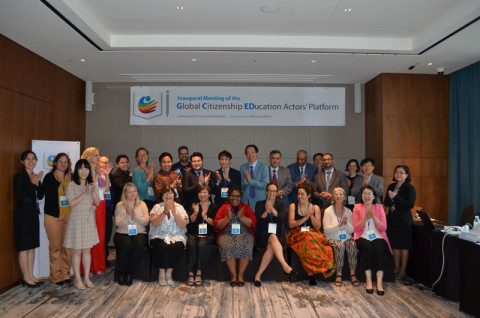 Weaving the Strength of Collaboration: GCED Global and Regional Networks 21 July 2020 Despite the presence of efforts around the world to promote Global Citizenship Education (GCED) in line with the Sustainable Development Goals (SDGs), there has been limited initiative in developing a systematic approach to connect relevant stakeholders in order to strengthen implementation in the field. As a leading agency in this area, APCEIU has launched GCED networks at the global and regional levels, supported by UNESCO Headquarters and Field Offices. The initiative gave way to consensus building among participating institutions on what constitutes as the main priorities for GCED implementation at the global and regional levels, and a mechanism for partnership which will serve as the working tool for the realization of the GCED Network. In 2016, the first global meeting convened GCED key partners around the world in 2016 in Seoul, Republic of Korea, to embark on the formation of GCED Network. The 2016 meeting was a stepping stone of the initiatives by setting its main principles, the ABCs of the GCED Network, particularly: to Accelerate GCED implementation by obtaining innovative ideas and lessons from other regions, Bridge partners, and build Communities. Addressing the call to support actions on the ground as was identified by partners in 2016, the Regional GCED Networks were launched in 2017 and 2018. Launched in five geographic regions - Asia-Pacific, Arab States, Europe and North America, Latin America and the Caribbean and Sub-Saharan Africa, the Regional GCED Networks aim to address identified priority areas and operate planned coordination mechanisms towards sustaining local action for GCED. In order to increase the relevance of GCED at the local levels, respective networks have their core groups of dedicated individuals and partners, convened by the Regional Coordinator and in close communication with key partner organizations. Since 2019, APCEIU co-organizes activities with the Regional GCED Networks. These have motivated individual partners to develop their own autonomous activities, aligned with regional priorities. In 2020, the activities supported by APCEIU are as follows: Asia-Pacific Regional GCED Network: 2020 Asia-Pacific Regional GCED Network Meeting, Development of “How to GCED” Mini Guide Series Arab States Regional GCED Network: Strengthening GCED in Arab Higher Education Institutions Europe and North America Regional GCED Network: Research Study on “Understanding and Building Europe and North America as a Regional Network Promoting GCED” Latin America and the Caribbean Regional GCED Network: Development and Dissemination of a GCED Youth Massive Open Online Course for Latin America and the Caribbean Sub-Saharan Africa Regional GCED Network: Strengthening GCED in Curricula in Southern Africa As an effort to envision a strategic framework through a retrospective look of regional activities and experiences, APCEIU organized Technical Consultation Meeting on the GCED Network in 2018 in Seoul, Republic of Korea. While wide-range of insights of facilitating GCED were presented, the participants including key stakeholders and partners from the five Regional Networks have reached consensus on fostering closer GCED collaboration and stronger solidarity inter-regionally and globally. Thus, in 2019, co-hosted by UNESCO Headquarters and APCEIU, the “GCED Actors’ Platform” was inaugurated. With the presence of 17 key GCED-implementing organizations across the globe, the Inaugural Meeting of the GCED Actors’ Platform worked towards establishing a global platform, in which different actors and stakeholders could share, review and update their achievements and progress of implementing GCED. In the light of the theme of 2019, “GCED Capacity Building of Teachers”, the key players of GCED have imparted currently on-going initiatives and challenges that they have encountered along with further discussions on the plans of GCED partnership strategies. Apart from Regional Coordinators and representatives from partner organizations, youth have also contributed to the dialogue through the GCED Youth Network, an international group of young GCED advocates. Kicking off with the topic of GCED educators capacity-building in 2019, the GCED Actors Platform will cover different themes every year. For 2020, the platform focuses on GCED research and policy development. In light of strengthening global and regional action for GCED through the GCED Network initiative, APCEIU calls on partners to focus on the following priority lines of action: 1) exchange of information on GCED, 2) peer learning, monitoring and evaluation, 3) mutual invitations to GCED meetings and events, 3) co-organization of GCED meetings, conference and seminars, 5) co-organization of GCED capacity-building workshops, and 6) co-publication of GCED resources and materials. In the next ten years before the target date of 2030 for the SDGs, APCEIU is committed to support the efforts to work together for GCED, weaving synergies towards more peaceful, sustainable and tolerant societies through education. Inquiries or suggestions on the GCED Network initiative may be shared to gced-net@unescoapceiu.org. Related Materials: Final Reports of the Regional GCED Network Meetings (2017-2018) Inaugural Meeting of the GCED Actors’ Platform Final Report GCED Network Initiative: Introductory Brochure URL:Weaving the Strength of Collaboration: GCED Global and Regional Networks > APCEIU News - APCEIU (unescoapceiu.org)
 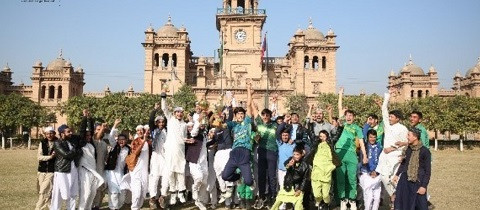 A Message from Learning for Empathy 21 July 2020 On the 9th December 2019, UNESCO Pakistan in collaboration with Jamia Usmania Madrassa organized a sports event in Islamia College Peshawar under the project “Learning for Empathy.” They organized a cricket match between the students of Jamia Usmania and Government Boys High School Kafoor Dheri, Peshawar. The match was an effort to integrate madrassa students with the students of the formal education system to demonstrate social harmony and peaceful co-existence among the youth. Learning for Empathy is a UNESCO funded project that aspires to promote peace, interfaith harmony and tolerance in society through education. Student’s interaction through co-curricular activities is a source of teamwork, tolerance and mutual interest to develop a sense of acceptance and restraint among themselves. Notable dignitaries from Khyber Pakhtunkhwa (KP) graced the occasion with their worthy presence. Chief Guest, Mahmood Jan shared his views on the significance of interaction and communication platforms for the students of madrassa and schools. The Deputy General of Sports also stressed the need to explore ways in which education and sports could promote peace and harmony in society. Appreciating the role of UNESCO, the Special Secretary of elementary and secondary education, Mr. Zarif Ul Mani appreciated the efforts for achieving the SDG-4/ Education 2030 agenda for the provision of equitable and quality education for all learners. He highlighted the significance of education as an instrument for acceptance of diversity and the promotion of peace and interfaith harmony among different sections of society. On summation, UNESCO Pakistan thanked the continued support provided by the Deputy Speaker of KP, Mufti Ghulam-Ur-Rehman representing the Madrassa system in KP and Government High School Kafoor Dheri, Peshawar for piloting the project. Ms. Sadia Bangash a Project Officer at UNESCO Islamabad highlighted the importance of involving youth from Madaris and schools for the promotion of interfaith harmony, peace, empathy and tolerance. On the 10th December 2019 in the beautiful premises of Dar-ul-Uloom Jamia Usmania Peshawar, UNESCO Islamabad organized a Food and Cultural Festival. For the promotion of peace and harmony in youth, UNESCO Islamabad implemented a Japan-funded project to promote target 4.7 of the SDG-4/ Education 2030 Agenda that emphasizes the need for a value-based education system. Students from Jamia Usmania and Government High School Kafoor Dheri actively participated in the festival. The event highlighted different shades of diversity, interfaith harmony and tolerance, which are needed to build a peaceful nation. The poetry and drama sessions captured the interest of the audience. The guests and audience expressed their excitement and need for having regular events amongst madrassa and school students to bridge the communication gap to build a better and progressive country through education. While concluding, it is pertinent to mention that such healthy activities make a huge difference towards tolerance, cultural and religious cohesion. These students will serve as a master trainer at various platforms at one point and will be motivating their peers, community members, religious leaders and families to mold their lives in light of tolerance and empathy for others. Media Coverage:https://pakistan.asia-news.com/en_GB/articles/cnmi_pf/features/2020/01/20/feature-02 URL:https://en.unesco.org/news/message-learning-empathy
  ESD for 2030: What’s next for Education for Sustainable Development? 21 July 2020 The world needs education for sustainable development more than ever. A new global framework on ESD is currently under preparation with the aim of building education systems that support learners of all ages to be active contributors to more peaceful and sustainable societies and develop a sense of responsibility for our planet in line with the 17 Sustainable Development Goals. In November 2019, the 40th session of UNESCO General Conference adopted a new global framework on ESD called ‘Education for Sustainable Development: Towards achieving the SDGs’ or ‘ESD for 2030’. Acknowledged by the UN General Assembly through a Resolution on ESD, the new framework aims to scale up action from the United Nations Decade of Education for Sustainable Development (2005 - 2014) and the Global Action Programme (GAP) on ESD (2015 – 2019). The new framework will be officially launched at the UNESCO World Conference on Education for Sustainable Development in Berlin on 17-19 May 2021. The Conference was initially planned for June 2020 but was postponed due to the COVID-19 pandemic. UNESCO will shortly publish A Roadmap for ESD for 2030 which will be discussed at regional online launch events to take place during the second half of 2020, to engage Member States and other stakeholders and invite country commitments on ESD. UNESCO is also planning a series of webinars on the key reflections from the COVID-19 crisis and on the way forward with the new ESD for 2030 framework. These monthly webinars will start in September 2020 until April 2021, as a lead up to the World Conference in Berlin in May. For future announcements on ESD for 2030 and upcoming events, stay tuned to UNESCO’s Section for Education for Sustainable Development's Newsletter, Website and Facebook Page. URL:https://en.unesco.org/news/esd-2030-whats-next-education-sustainable-development
 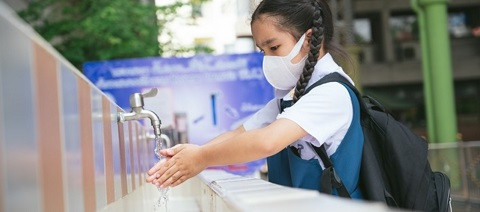 New drive to protect early childhood education in the context of the COVID-19 crisis 18 July 2020 A UNESCO COVID-19 Education webinar, organized on 15 July 2020, under the high patronage of Princess Laurentien of the Netherlands, UNESCO Special Envoy on Literacy for Development, shed light on the importance of early childhood care and education (ECCE) to ensure that learning and wellbeing of young children is given due consideration when educational and care services are disrupted, with a special attention given to vulnerable young children. More than 1.5 billion students in over 180 countries, of whom 155 million children at pre-school level, are affected by the largest disruption to education since the creation of the United Nations, said Stefania Giannini, UNESCO Assistant-Director General for Education, in the opening of the webinar which attracted more than 1000 participants including global leaders, country policymakers, ECCE practitioners and education partners. Global impact of COVID-19 on early childhood education The closure of schools and other institutions that provide social protection, health, nutrition, learning and socio-emotional nurturing to young children represents an immense threat to their development potential. In response, UNESCO, together with a number of partner organizations, will be launching the #Save Our Future campaign this month to protect and prioritize education as the key to the recovery – and the best investment for our future. This includes early childhood education as “an equalizer and a changer” calling for a paradigm shift in education, Ms Giannini said. The overview of the global impact of COVID-19 on early childhood education presented by Mr Gwang-Chol Chang, Chief of Education Policy Section at UNESCO, showed the findings of global surveys and consultations that UNESCO conducted, in collaboration with UNICEF and the World Bank regarding the impact of COVID-19 on education systems and more particularly on early childhood education. Although, some countries have been taking measures to support families, caregivers and children, such as financial support, psychological counselling, and emergency childcare service available to frontline volunteers, the general observation is that during school closures, pre-primary education was relatively neglected compared to other levels of education. The main challenge, as stated by Her Royal Highness Princess Laurentien of the Netherlands, is that ‘early childhood development has always been a blind spot in our pre-COVID societies and the pandemic has shown how vulnerable young children are’, asking ‘why ECCE is the forgotten child in our societies’. ‘We failed our younger children’ she further deplored. Country experiences A ministerial round-table offered the occasion to Ministers of Education and their representatives from the different regions of the world to present their experiences and priority actions in this area. In Seychelles, for example, the Minister presented an effective communication plan implemented and strong commitment of ECCE leaders which contributed to mobilize and engage all stakeholders while the Minister of Cambodia explained how public-private partnership was built to ensure learning continuity, in the use of online platforms, social medial and TV and Radio channels for children with no access to the internet, and even paper-based material for those who did not have access to any distance learning solution with particular attention to children from vulnerable groups. From the Arab region, the representative of the Minister of Qatar explained that the State has invested in ECCE, by turning to distance education, focusing on support to parents and children and support to children with special needs, through special channels of communication. The Representative from Uruguay explained the new way of learning implemented in the country without compromising health and safety. Finally, Saudi Arabia, as chair of G20 which has ECCE as theme in its agenda, shared the initiative of virtual kindergarten for children 3-6 years of age, initiated before and amplified during the COVID-19 crisis. Call for action Referring to the paradigm shift called upon by UNESCCO’s Assistant Director-General for Education, Princess Laurentien of the Netherlands called on all stakeholders to have a discussion at a strategic level. Early childhood development should no longer be considered only a mere educational issue and should not be put on the sidelines of the discussions and strategy for economic recovery. It should be part of the discussions in multilateral fora because it is a strategic option, the best investment for societies. “Recovery cannot be just about investing in companies - it must also be about investing in the citizens of tomorrow”, the Princess said. Two actions were announced to start with: Train some 200,000 early childhood teachers and educators – including through online and offline platforms and sharing of already available pedagogical resources - with the support of Global Education Coalition. Agree on a global strategy for ECCE with effective collaboration, building alliances and engaging in an innovative dialogue. Reacting to the Call for Action, UN agencies and International NGOs representatives, from UNICEF, The World Bank, WHO, ILO, Right to Play, OMEP, Right to education Initiative, Save the Children and ECDAN, shared insights and commitments in this area, all recognizing that it is critical time to put ECCE as a priority in the agenda for recovery. In her closing remarks Princess Laurentien stressed her impatience for action and call for introspection from ECCE stakeholders and called upon UNESCO, as the lead global UN organization for education, to call for a dialogue on how to act concretely to make ECCE at the core of the discussion on Covid-19 recovery strategies. ‘I shall chair this dialogue immediately after the summer’ she committed. Stefania Giannini confirmed UNESCO's willingness to work with all the partners present to identify and carry out concrete actions and stressed her own impatience to act. She welcomed the fact that the webinar had made it possible to gather the commitment of important stakeholders to work together. The webinar was organized in the context of the Global Education Coalition launched by UNESCO and bringing together more than 140 partner organizations. URL:https://en.unesco.org/news/new-drive-protect-early-childhood-education-context-covid-19-crisis
 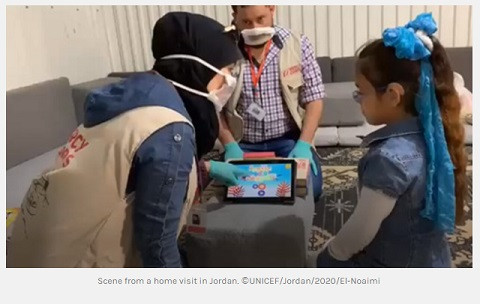 Three innovative responses to COVID-19 that have removed barriers to learning for the most marginalised 18 July 2020 By Janet Lennox and Wongani Taulo Since COVID-19 burst onto the world stage, headlines have mounted about the millions of children suddenly out of school due to the closures during countries’ lockdowns. Lessons from earlier school closures, such as the Ebola crisis in West Africa, tell us that the most marginalised children may be left behind. The 2020 Global Education Monitoring Report also sounds the alarm, warning that educational opportunities continue to be unequally distributed, leaving the most marginalised children at higher risk of further exclusion because of COVID-19-related school closures. That begs the question – what about the 1 in 5 children who were previously out of school or those in school but on the margins, at a high risk of dropout before the COVID-19 pandemic struck? With COVID-19 school closures, the world has witnessed unprecedented efforts among global education actors and government to safeguard the education of children and ensure continuity of learning while children are at home. Innovative remote learning modalities have been explored to reach children wherever they are, and, in the processes, highlighted the fact that learning can take place even beyond the school gates. While some of these strategies have been successful, some have not, and not all children have been successfully reached. However, one point is clear, even when children are not in school, they can still be given opportunities to learn and participate effectively to enjoy their right to education. This now begs the question: can countries’ responses to COVID-19 overcome barriers to learning for all children, beyond those affected by current school closures? Can those remote learning strategies that have proved effective to reach the most marginalised children be adopted and adapted to reach the most marginalised children including those who were out of school pre-COVID-19? Catalyst for change Children with disabilities. According to analysis from 2016 and 2018, certain types of disabilities related to sight, hearing, and mobility may be the single most serious barrier to education, with a school attendance gap of about 30 per cent compared to children without disabilities. Innovative COVID-19 learning strategies have the potential to engage more children, including those who were not reached previously, through schools, including preparing teachers for inclusive learning, or through other flexible pathways. For example, making accessible digital content available on the growing number of online learning platforms and pairing these with tools and resources for learners with disabilities and their parents is an opportunity to promote greater inclusion through the thoughtful use of technology. Accessibility features may include audio narration, sign language video, and simplified text, which can help children with disabilities and those without to tailor their interaction with learning materials to meet their specific learning needs and preferences. In late April 2020, the Ministry of National Education in Turkey launched a mobile application for special education learners – available through the Ministry of National Education website – aimed at ensuring continued learning opportunities for children with hearing or visual impairments, intellectual disabilities, or autism spectrum disorders. As of 2 June 2020, 175,000 users had downloaded the App and 370,000 users were accessing its training videos, recommended activities, special education lessons and supplementary resource books. Refugees. Children who are displaced across or within borders are more likely to have their education disrupted. Only half of refugee children attend primary school, and less than a quarter (22 per cent) are in secondary school. Girls in conflict-affected settings are 2.5 times more likely to be out of school compared to those living outside conflict zones. During the school closures which began in mid-March, UNICEF, and Mercy Corps, have undertaken monthly home visits to almost 700 children with disabilities that are enrolled in school in Azraq and Za’atari refugee camps in Jordan. The focus is on rehabilitation, including physical and speech therapy. As shown in the picture, one innovation has been the use of transparent masks, so that deaf children can still lip read. Printed workbooks for Grades 1 to 6, based on children’s individual learning plans, were provided to all children. Parents have been provided with learning activities delivered through WhatsApp groups with a list of explanatory video recordings, voice recordings, and links to educational apps to support continued learning at home. In addition, in Village 5 of Azraq Camp, all 80 children with disabilities have been provided with a tablet pre-loaded with learning materials, as well as disability accessible apps and free data packages. Language. In North Iraq, the COVID-19 remote learning response plan seized the opportunity to remove language barriers. UNICEF helped education authorities to launch televised lessons via satellite TV for all grades in seven languages and dialects: Kurdish, Soran, Badini, Arabic, Turkmani, Syriac and English. The broadcasts have kept an estimated 370,000 boys and girls learning. For many marginalized children, including those with disabilities and refugees in camps, learning during COVID-19 school closures has presented a critical challenge to these children who were already on the fringe of education systems. These disruptions have sparked experimentation with a whole array of digital and non-digital learning platforms and resources. If used thoughtfully, they have the potential to help reimagine the education system to what we want; one that includes all learners, no matter their identity, background, or ability. URL:https://gemreportunesco.wordpress.com/2020/07/13/three-innovative-responses-to-covid-19-that-have-removed-barriers-to-learning-for-the-most-marginalised/