
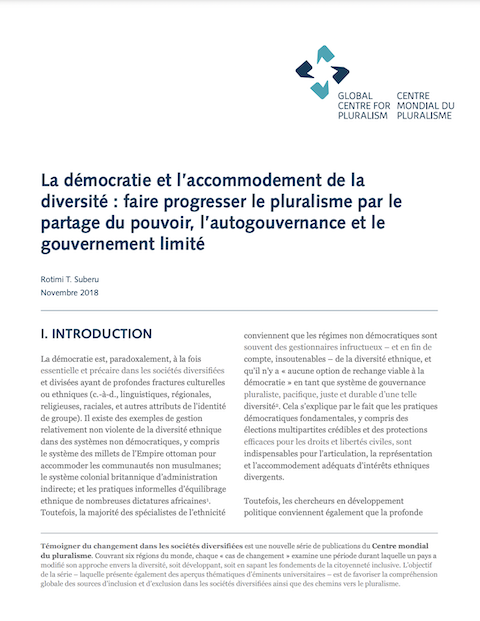
Democracy and the Accommodation of Diversity: Advancing Pluralism Through Power Sharing, Self-Governance and Limited Government
- Author
- Rotimi Suberu
- Corporate Author
- Global Centre for Pluralism (Canada)
- Collation
- 12 p.
- Resource Language
- French
- Year of publication
- 2018
- Topic
- Civic / Citizenship / DemocracyDiversity / Cultural literacy / InclusivenessHuman rightsGlobalisation and social justice / International understandingPeace / Culture of peace
- Resource Type
- International normative instruments / policy and advocacy documentsResearch papers / journal articlesOther
- Level of education
- Lifelong learningNon-formal education
- Place of publication
- Ottawa
Democracy is, paradoxically, both essential and precarious in diverse and divided societies with deep cultural or ethnic (i.e., linguistic, regional, religious, racial, and other attributes of identity) divides. group). There are examples of relatively non-violent management of ethnic diversity in undemocratic systems, including the Ottoman Empire's millet system to accommodate non-Muslim communities; the British colonial system of indirect administration; and the informal ethnic balancing practices of many African dictatorships. However, the majority of ethnicity scholars agree that undemocratic regimes are often unsuccessful - and ultimately, unsustainable - managers of ethnic diversity, and that there are "no viable alternatives. democracy ”as a pluralist, peaceful, just and sustainable system of governance of such diversity. This is because basic democratic practices, including credible multiparty elections and effective protections for civil rights and freedoms, are essential for the proper articulation, representation and accommodation of competing ethnic interests.
Related Resources
-
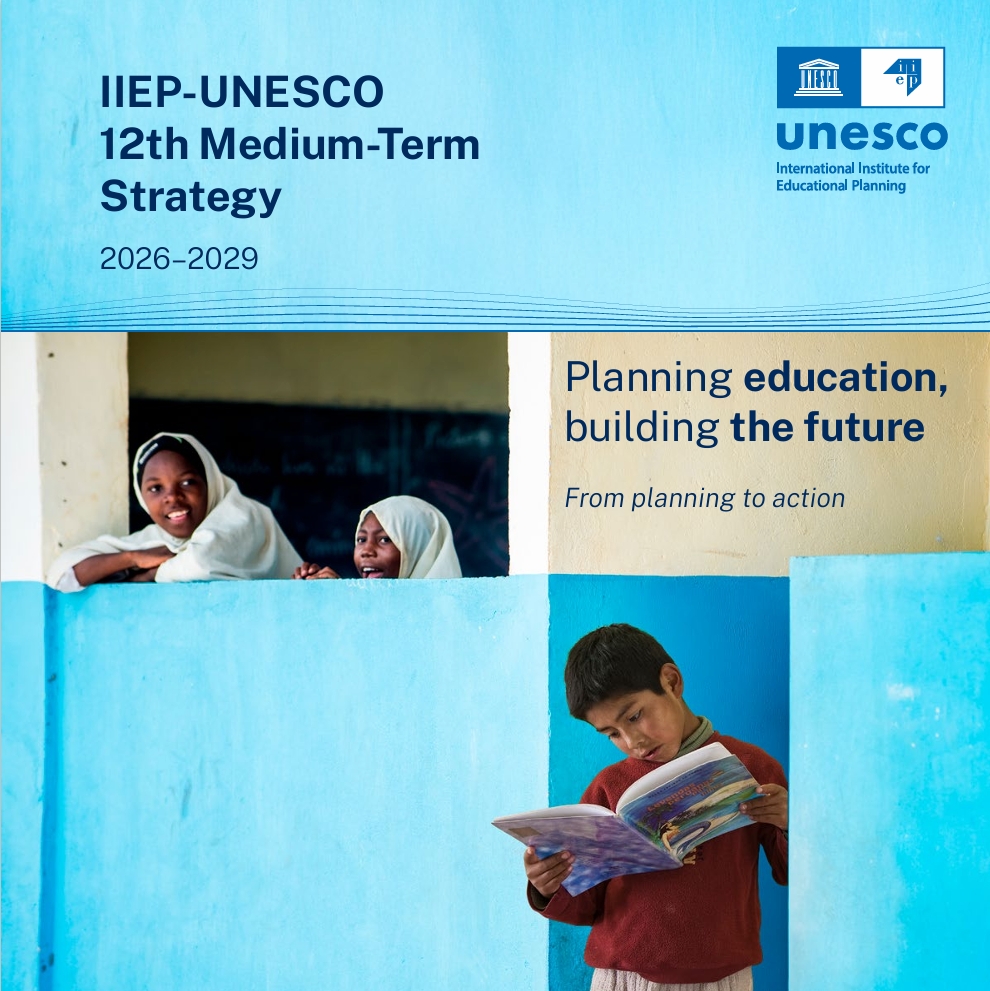 IIEP-UNESCO 12th Medium-Term Strategy: 2026–2029
 -
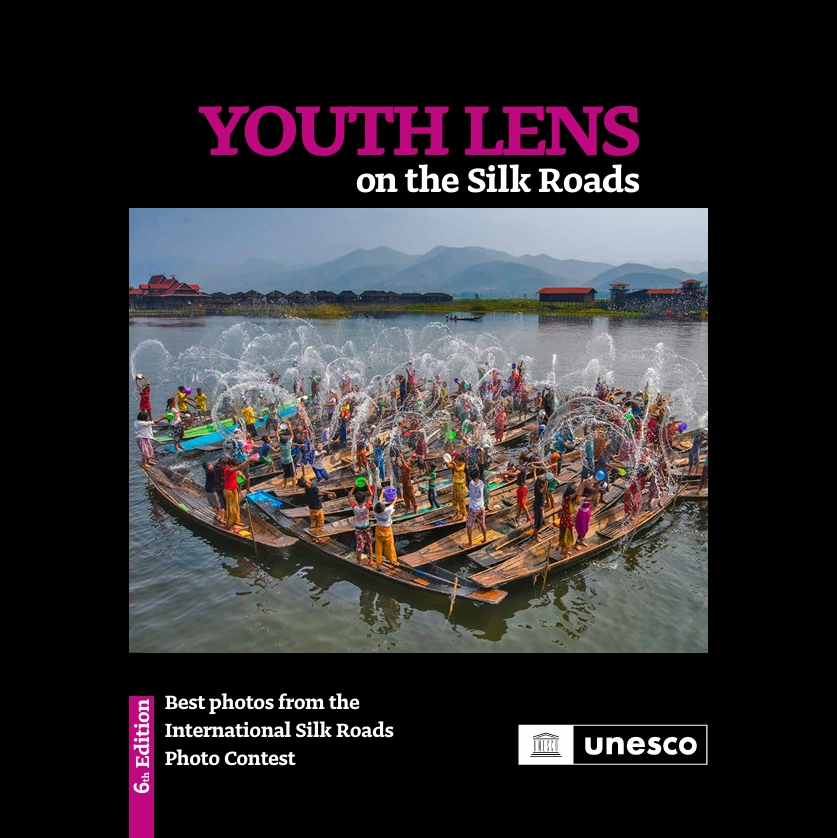 Youth Lens on the Silk Roads: Best Photos from the International Silk Roads Photo Contest; 6th Edition
 -
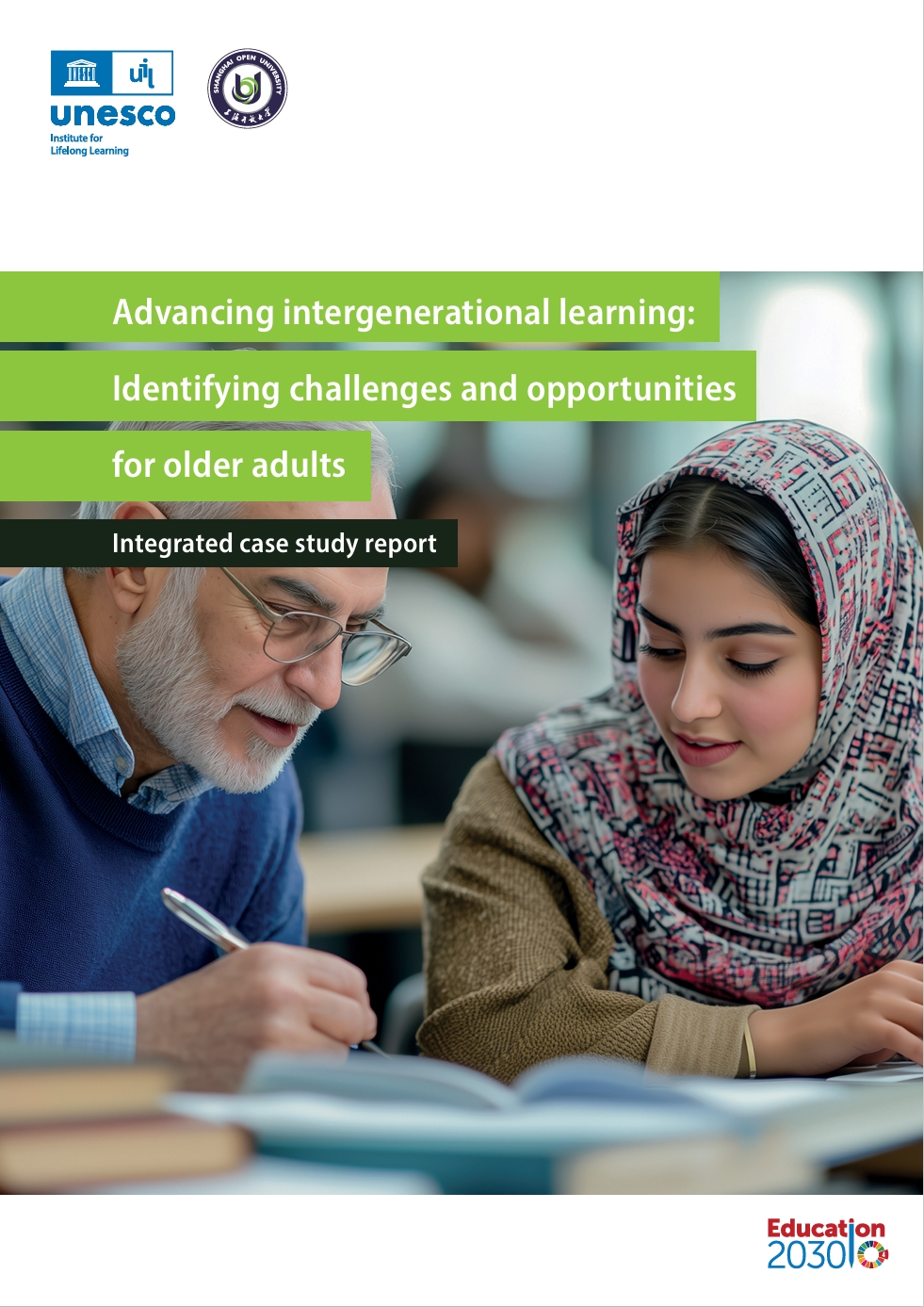 Advancing Intergenerational Learning: Identifying Challenges and Opportunities for Older Adults; Integrated Case Study Report
 -
 Digital Empowerment for Lifelong Learning and Transformative Andragogy (DELTA) for Adult Educators: Introduction to the DELTA Framework and Resources