
Resources
Explore a wide range of valuable resources on GCED to deepen your understanding and enhance your research, advocacy, teaching, and learning.
8,348 Results found
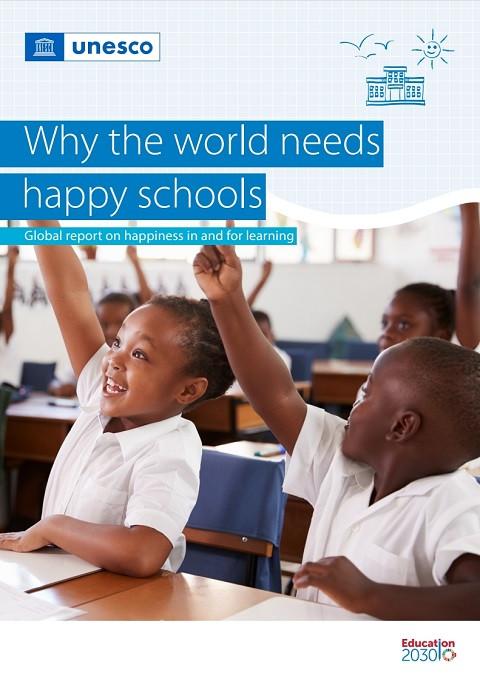 Why the World Needs Happy Schools: Global Report on Happiness In and For Learning Year of publication: 2024 Corporate author: UNESCO Seeing a teacher smile. Hearing students laugh. Feeling a hug from a friend. Smelling fresh air. Tasting a nutritious school meal. These five senses can stimulate happiness at school and improve the learning experiences, outcomes and well-being of students. Through the ‘Happy Schools’ initiative, UNESCO is placing happiness at the core of the transformation of education. It encourages education systems to recognize happiness as both a means to and a goal of quality learning. The initiative is informed by a growing evidence base linking happiness with better learning, teaching, well-being and overall system resilience. This report presents the UNESCO global Happy Schools framework consisting of 4 pillars – people, process, place and principles – and 12 high-level criteria to guide the transformation of learning. It offers a holistic model for embedding happiness into education policies and cultivating it in schools through systemic changes. The report illustrates how the ‘Happy Schools’ initiative aims to create top-down and bottom-up transformation, encouraging governments to recognize happiness as a core objective of education. It supports the scaling of promising practices of joyful learning from the school to the policy level.
  SDG4 High-Level Steering Committee’s Key Messages for the Pact for the Future Year of publication: 2024 Corporate author: SDG4 High-Level Steering Committee Education is a fundamental human right and a public good. Quality education and lifelong learning provides individuals with knowledge, skills, and values to lead a meaningful and productive life, and thus it is essential for personal development, empowerment and wellbeing. Education has a transformative power and drives progress across all Sustainable Development Goals. Investing more, more equitably and more efficiently in education transforms the future of humanity and the planet. The Pact for the Future must put education at its center.
  Основные направления воздействия изменения климата в Центральной Азии (Oriental Renaissance; № 4(2) Year of publication: 2024 Author: Нарзуллаев Комилжон Собиржонович В настоящей статье анализируется глобальная проблема - изменения климата в Центрально-Азиатском регионе. В перспективе данная глобальная проблема найдет свое отражение в повышении температуры, экстремальных погодных явлениях, опустынивании, оползнях и нехватке водных ресурсов. Наряду с этим, в статье указываются основные направления воздействия изменения климата в регионе в целом.
  Report on Improving the Care System in the Republic of Uzbekistan: A Path to Economic Growth, Poverty Reduction and Improved Quality of Life Year of publication: 2024 Author: Maigul Nugmanova | Adiba Nuruddinova Corporate author: UNDP Uzbekistan This Report explores the crucial role of care system policies in sustainable equitable economic growth, poverty reduction, and improved quality of life, aligning with UN Sustainable Development Goals. Conducted within the framework of the initiative of UNDP in Uzbekistan, the study aims to analyze current care provision, identify critical points, and propose recommendations for an inclusive and sustainable care economy, contributing to overall economic growth and reducing regional inequalities.
 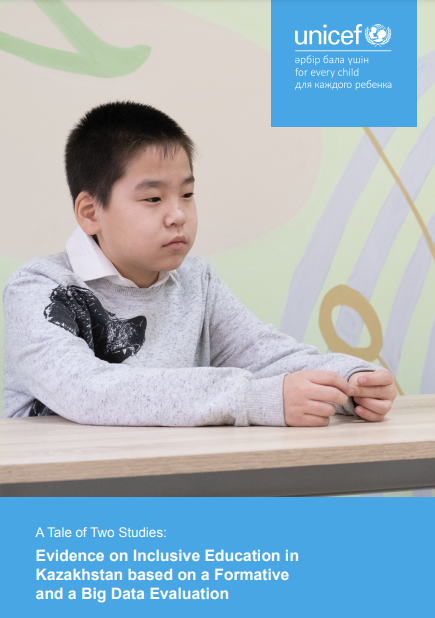 Evidence on Inclusive Education in Kazakhstan based on a Formative and a Big Data Evaluation Year of publication: 2024 Author: Arseniy Gurin | Udayan Rathore | Zhanar Zhaxylykova Corporate author: UNICEF Kazakhstan The objective of the JB formative evaluation was to examine the functioning of the state education programmes between 2011 and 2021 with a special focus on inclusivity. This covered children from pre-school to secondary school levels. The Big data evaluation or Social Media Listening (SML) study focused on the same age group of children and aimed to further the understanding of different stakeholder perspectives, as expressed via social media and online news media outlets. The demography of Kazakhstan reflects that it is a relatively young country. Given that the youth are more inclined to using social media, this is an important source of discussions in the country, including those on inclusive education.
  Early Childhood Education in Tajikistan Year of publication: 2021 Corporate author: UNICEF Tajikistan Preschool education is the foundation of lifelong learning and development. The focus on preschool is essential. Access to quality early childhood education (ECE) services not only gives children better chances at success in school, but better learning outcomes in the future. It enhances the efficiency of the school system by reducing repetition and drop-out and improving achievement, especially among girls and marginalized groups. If timely and sufficient investments in early childhood are made, human capital and momentum will grow and provide a great and unique opportunity for the country to improve its future economic prospects.
 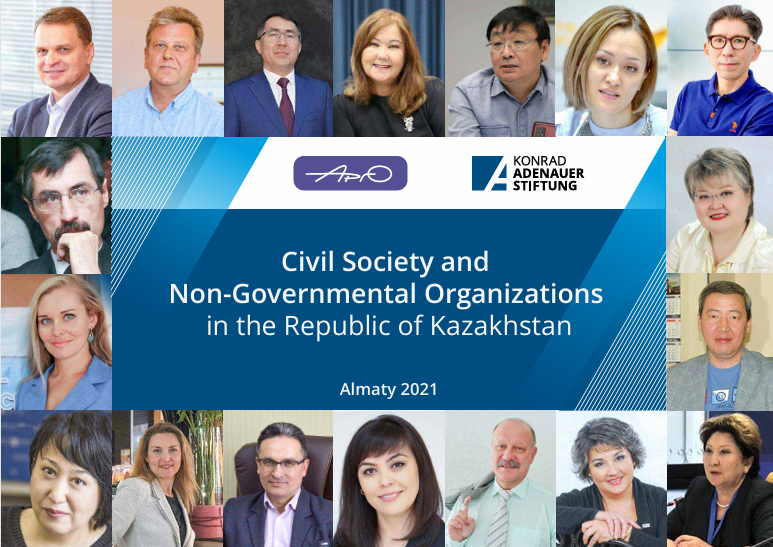 Civil Society and Non-Governmental Organizations in the Republic of Kazakhstan Year of publication: 2021 Author: Madiyar Kozhakhmet | Evgeny Zhovtis | Dosym Satpayev | Roman Podoprigora | Natalia Yantsen | Kaisha Atakhanova | Vadim Nee | Banu Nurgaziyeva | Zulfiya Baysakova | Shakhnoza Khasanova | Saken Zhanazarov | Diana Okremova | Gulmira Birzhanova | Lyazzat Kaltayeva | Saniya Arapova | Sergey Gulyaev | Sergey Khudyakov | Vitaly Kulik Corporate author: Civil Society Development Association (ARGO) This book is a collection of articles on a wide range of issues concerning CSOs and civil society development in Kazakhstan. The publication is designed for nongovernmental organizations, government agencies, Academia includes students and general readers.
  Women Influencing Multi-Stakeholder Peace Dialogue, Processes and Policy Spaces Year of publication: 2023 Corporate author: United Nations Entity for Gender Equality and the Empowerment of Women (UN Women) This paper seeks to draw lessons on how women have been participating as actors in influencing peace dialogue and processes related to the women, peace and security agenda in Europe and Central Asia. It also highlights challenges that need to be taken into consideration and offers recommendations to promote their greater contribution, influence, and participation in peace processes.
 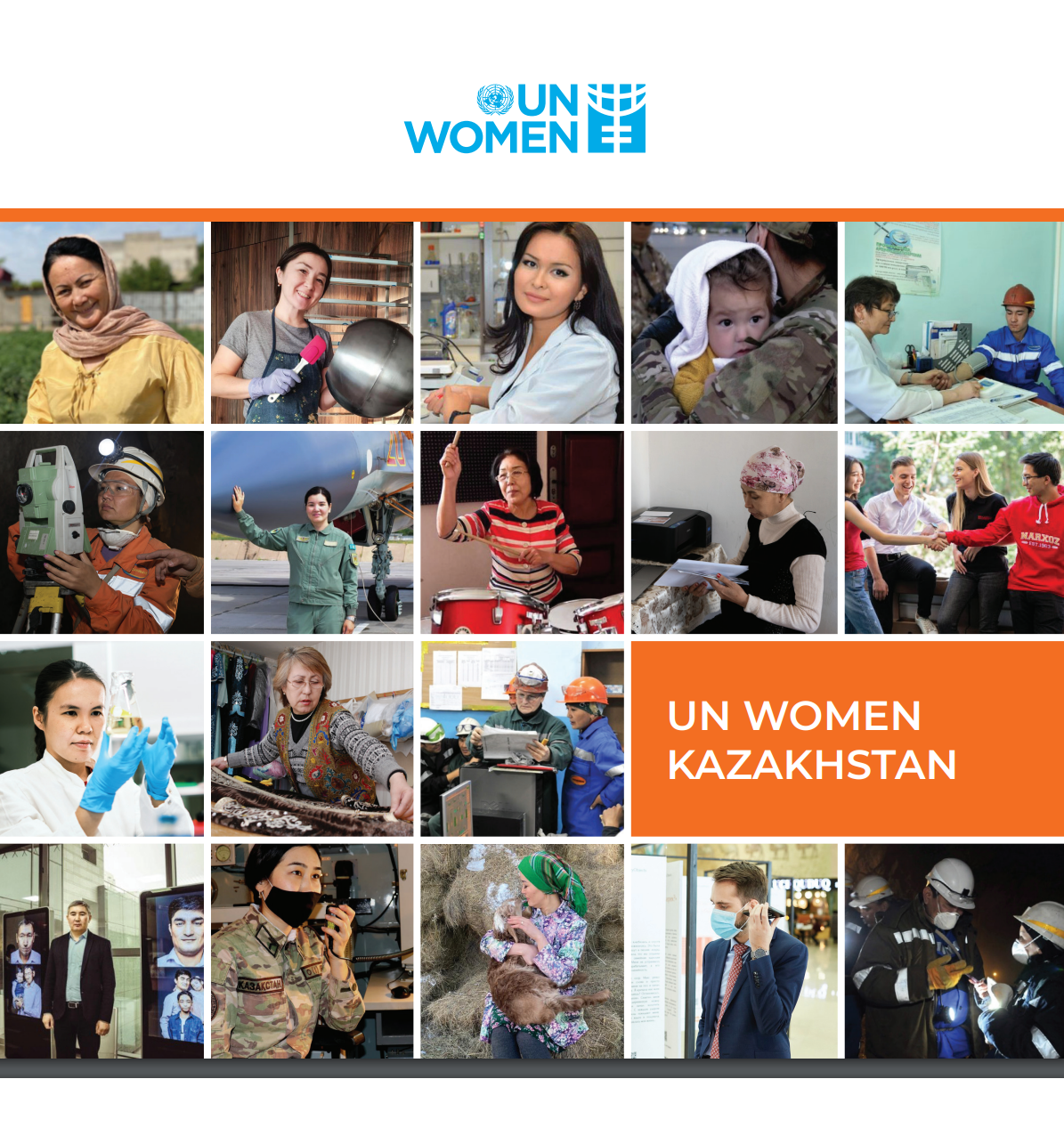 UN WOMEN Kazakhstan Year of publication: 2022 Corporate author: United Nations Entity for Gender Equality and the Empowerment of Women (UN Women) This one-pager provides a brief outline of UN Women Kazakstan's mandate, goals, activities, key audiences, partners, and other important information.
  Situation Analysis: Children and Adolescents with Disabilities in Kyrgyzstan Year of publication: 2021 Corporate author: UNICEF Kyrgyzstan The study identified barriers and obstacles to the provision of quality and inclusive services to children and adolescents with disabilities, as well as problems at the level of policy-making and evidence base. The rationale for this Situation Analysis is to inform stakeholders, both governmental, civil society and development partners, as to the current situation with regards to the fulfilment of children and adolescents with disabilities’ rights.