
Resources
Explore a wide range of valuable resources on GCED to deepen your understanding and enhance your research, advocacy, teaching, and learning.
8,354 Results found
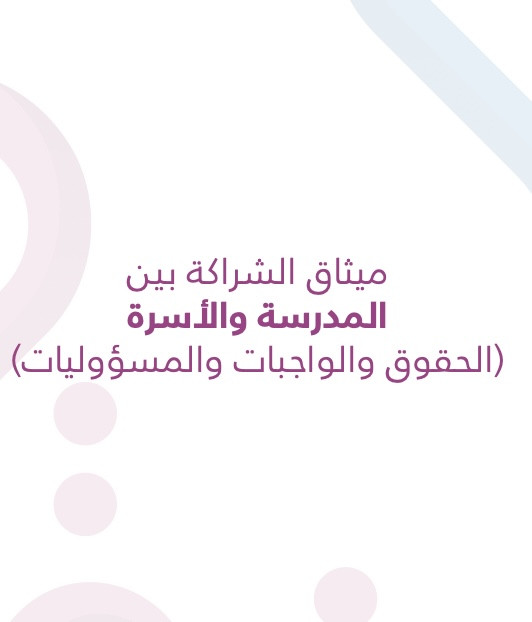 Charter of Partnership between the School and the Family: Rights and Duties Year of publication: 2016 Corporate author: Saudi Arabia. Ministry of Education The file is a charter of partnership between the school and the family. It discusses the rights and duties of this partnership in the Kingdom of Saudi Arabia. The charter aims to enable the family and the school to inculcate and promote lofty principles in their children. The charter also aims to promote the concept of good citizenship in and outside the school community. The charter contains several articles, the most important of which are: the rights of the student, the family, and the school, and the duties of the student, the family, and the school.
 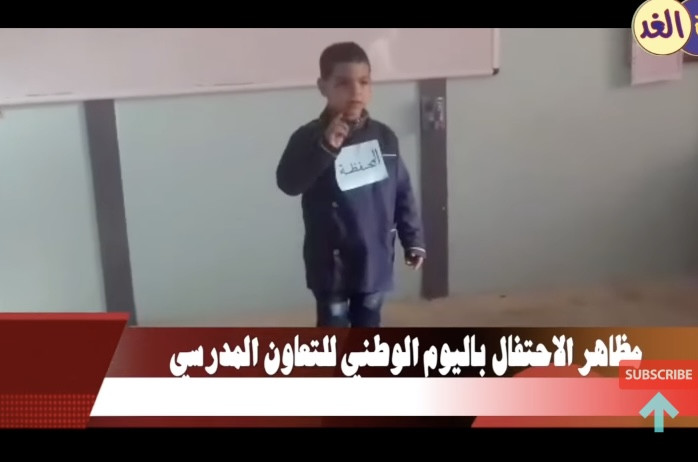 School Cooperation Activities: The Idris Al-Awwal Community School as a Model Year of publication: 2018 Corporate author: Alghad Channel The video talks about one of the important things in creating an atmosphere of familiarity and cooperation among students in schools. School cooperation is a renewed educational movement that relies on the element of activation and communication to support formal educational work. Also, school cooperation works to push students to carry out cooperative, integrated and parallel educational activities aimed primarily at activating school life and empowering female and male learners with the technology of self-learning and participatory learning. Cooperative learning also contributes to raising students' motivation to learn and to contributing to the openness of the educational institution to society.
  Human Rights and the Digital Challenge Year of publication: 2021 Corporate author: Islamic World Educational, Scientific and Cultural Organization (ICESCO) The file is a report on the international symposium "Human Rights and Digital Challenges". The organization of this symposium came in line with the commitments of both ISESCO and the Kingdom of Morocco in the field of promoting the principles of human rights in their holistic sense. And also to spread the values of peace, the principles of citizenship and positive coexistence. The symposium is considered a prelude and a path to keeping pace with the most important challenges facing human rights, strengthening cooperation and exchanging experiences and expertise among ISESCO member states.
 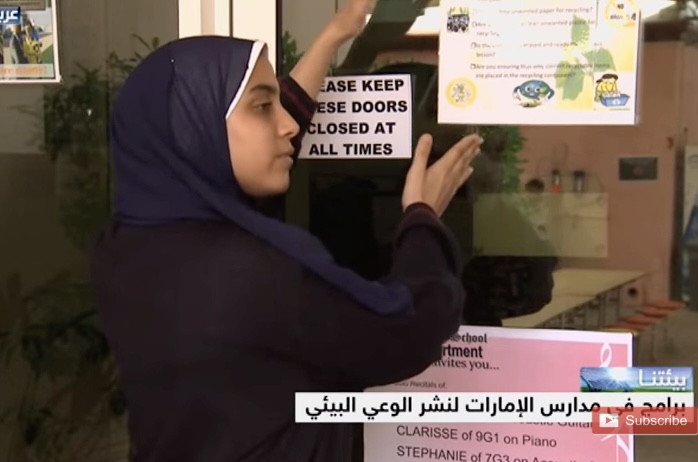 Environmental Education: A Step Towards a Sustainable Future Year of publication: 2012 Corporate author: Sky News The video is a review of the efforts of the United Arab Emirates in the field of environmental education. The episode begins with a video presentation of the activities of a group of schools in environmental education. After that, the announcer will host a specialist to talk about this topic. The video indicates that environmental education has a major leading role in the process of spreading awareness and finding solutions to all environmental problems.
 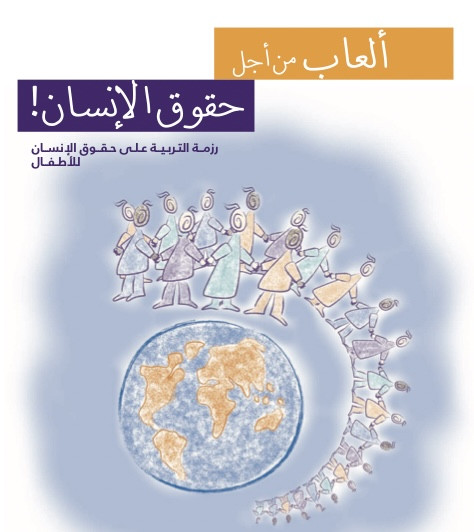 Games for Human Rights: A Human Rights Education Package for Children Year of publication: 2008 Corporate author: International Center for Human Rights Education This package helps to promote human rights, non-discrimination and peaceful conflict resolution in non-formal education programs for children. This package is aimed at children in the age group of 6-12 years. It promotes a set of values to help teachers integrate human rights into children's attitudes and behaviours.
 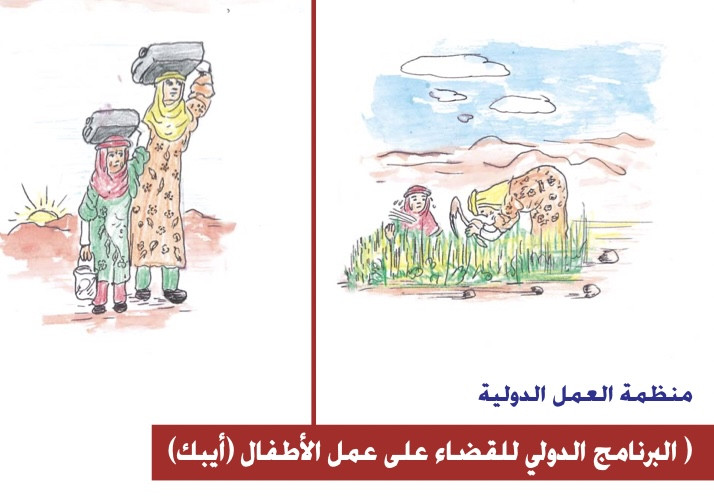 Gender Equality and Child Labour: A Participatory Tool for Facilitators Year of publication: 2006 Author: Anita Amorim | UnaMurray | Ségolène Samouiller | Sandhya Badrinath Corporate author: International Labour Organization (ILO) Ending child labor and promoting equality between boys and girls, men and women, go hand in hand. This educational tool is designed to demonstrate the necessity of adopting the concept of gender in order to understand the complexity of the phenomenon of girls and boys work and to highlight the impact of gender on children's choices, both with regard to job opportunities and the financial resources available and different for boys and girls.This educational tool aims to help male and female trainers in Yemen to raise awareness among young people, especially adolescents, and to understand child labor and gender equality. It is based on the basic principle that adolescents have an important role to play by strengthening their awareness of social justice issues and at the same time influencing their society in order to bring about positive change in it. By holding girls and boys accountable and recognizing the value of their contributions, we hope to harness the creative richness and commitment of adolescents to combat child labor and promote gender equality.
 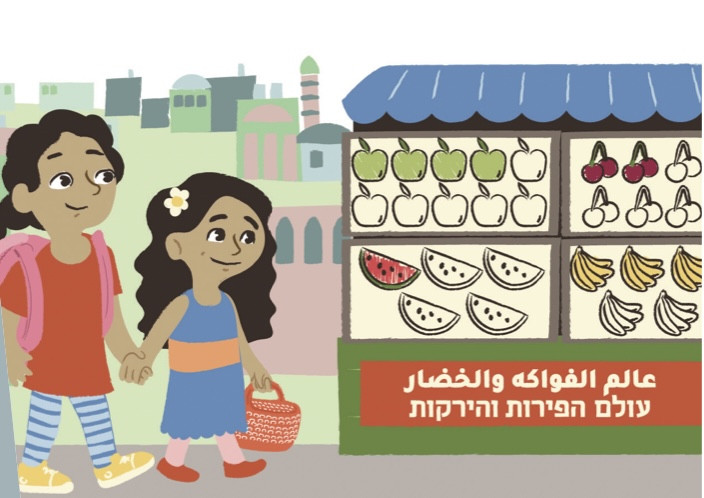 Representation and Presence of the Arab Community in Education Materials Year of publication: 2019 Author: Yael Maayan Corporate author: Sikkuy-Aufoq This paper seeks to examine the representation and presence of the Arab community in education subjects in Israel. It aims to deepen and reflect on the current situation in the field of education materials and the existing policy, and to suggest the required changes. It is a policy that attempts to offer Jewish school students a variety of forms of consideration and interaction with the Arab citizens of Israel.
 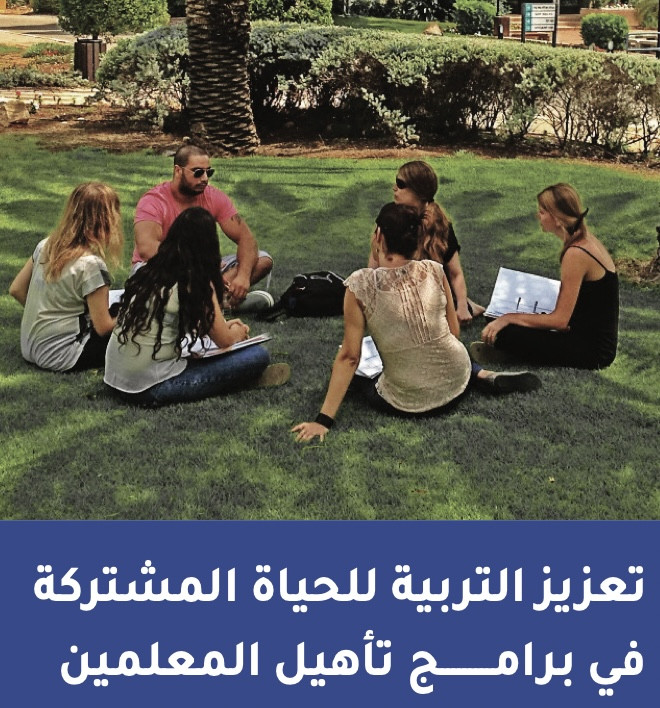 Promoting Education for Shared Life in Teacher Education Programmes Year of publication: 2022 Author: Worrod Gusi | Guy Barak | Roni Misrano Corporate author: Sikkuy-Aufoq The text talks about the reality of teacher preparation programs in teacher training institutions in Israel with regard to preparing teachers to understand common life. The first part discusses the promotion of the concept of joint citizenship in the qualification of teaching staff. The second part also proposes a comprehensive model for the development and promotion of education for shared life at Beit Berl Academic College.
  Education for Sustainable Development Year of publication: 2021 Author: Younis Isa | Amara Aisha | Maiter Aisha This intervention aims to highlight the importance of education in order to achieve sustainable development, as one of the topics that receive great attention in all countries of the world, as an important issue at the present time, and the focus of its attention is to improve three basic aspects, and these aspects are related to the economic, social and environmental aspects, and to achieve This concept - sustainable development - must be taught to young people, and this is by including it in the educational curricula, and to teach sustainable development and its consolidation requires specific methods, and sustainable development needs components for its education, and these components must be taken into account in the educational process and environment, and sustainable development requires A set of approaches must be activated, and to consolidate sustainable development in education we follow several specific teaching methods for this purpose, and this is to help students in education for sustainable development. The intervention also highlighted some of the competencies necessary to achieve the goals of sustainable development, as well as the needs of education for sustainable development.
 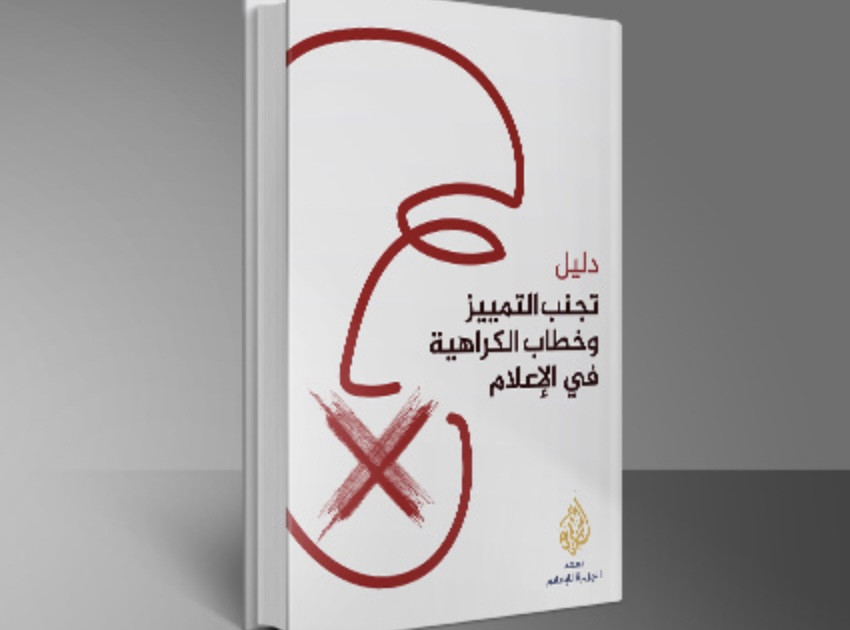 Guide to Avoiding Discrimination and Hate Speech in the Media Year of publication: 2019 Author: Mohammed Khamisa The Guidebook, which was released in both Arabic and English, highlighted professional practices and legal limitations to help journalists to avoid discriminatory and hate speech in their stories, by providing them with multiple tools which help them to produce objective stories distanced from discrimination and hate speech.The Guidebook is divided into two main parts, the first of which is given over to defining and explaining discriminatory and hate speech and giving a summary of the legal framework surrounding it. It then explains how hate speech, when practiced by media, can produce a harmful effect on public. The guidebook cites some examples from the Arab context and the world at large. In its second part, the guidebook sets out a roadmap that helps journalists to produce more ethical and objective stories avoiding discrimination or calling for hatred. It presents a number of criteria that are recommended to be applied during all stages of the production of the story, as well as providing models of ethical evaluation (Moral Reasoning) that enable them to solve the moral dilemmas that may face them in the preparation of stories.In its final pages, the guidebook presents a list of questions the journalist poses to him/herself at every stage of the story, which contributes to its objective and ethical quality, and distance it as far as possible from practicing discriminatory speech or inciting hatred