
© UNESCO 2013
Global Media and Information Literacy Assessment Framework: Country Readiness and Competencies
- Auteur institutionnel
- Organisation des Nations Unies pour l'éducation, la science et la culture (UNESCO)
- ISBN
- ISBN 978-92-3-001221-2 (eng); ISBN 978-92-3-500002-3 (chi); ISBN 978-85-7652-215-7 (por)
- Collation
- 158 p.; illustrations (eng); 193 p.; illustrations (chi); 162 p.; illustrations (por)
- Langue de la ressource
- AnglaisChinoisPortugais
- Année de publication
- 2013
- Mot-clé
- Information literacyMedia and information literacyMedia literacyMedia educationTeacher qualificationsEvaluation methodsGuides
- Thème
- Civisme / Citoyenneté / DémocratieÉducation aux médias et à l'information / Citoyenneté numérique
- Niveau d’éducation
- Éducation et protection de la petite enfanceEnseignement primaireEnseignement secondaireEnseignement supérieurApprentissage tout au long de la vieEnseignement et formation techniques et professionnelsÉducation non formelle
- Région
- Global
- Lieu de publication
- Paris
The MIL Assessment Framework can foster lifelong learning initiatives by building on the relationship between information, media, digital, and ICT literacies, along with societal transformations, education, workforce, policy and decision making processes, economic growth and democracy.
The overall goal of the publication is to guide UNESCO’s Member States throughout the assessment of country readiness and competencies regarding the media and information literacy of citizens, in particular teachers in service and in training.
The document is particularly aimed at the following stakeholders: policy makers and decision makers; national officers responsible for statistical data collection and analysis; educational policy makers and planners working in formal and informal education settings; teacher training institutions and teachers. It is also of relevance to the professional information and communication community, and has wide applicability for civil society at large.
Ressources associées
-
 IIEP-UNESCO 12th Medium-Term Strategy: 2026–2029
 -
 Advancing Intergenerational Learning: Identifying Challenges and Opportunities for Older Adults; Integrated Case Study Report
 -
 Digital Empowerment for Lifelong Learning and Transformative Andragogy (DELTA) for Adult Educators: Introduction to the DELTA Framework and Resources
 -
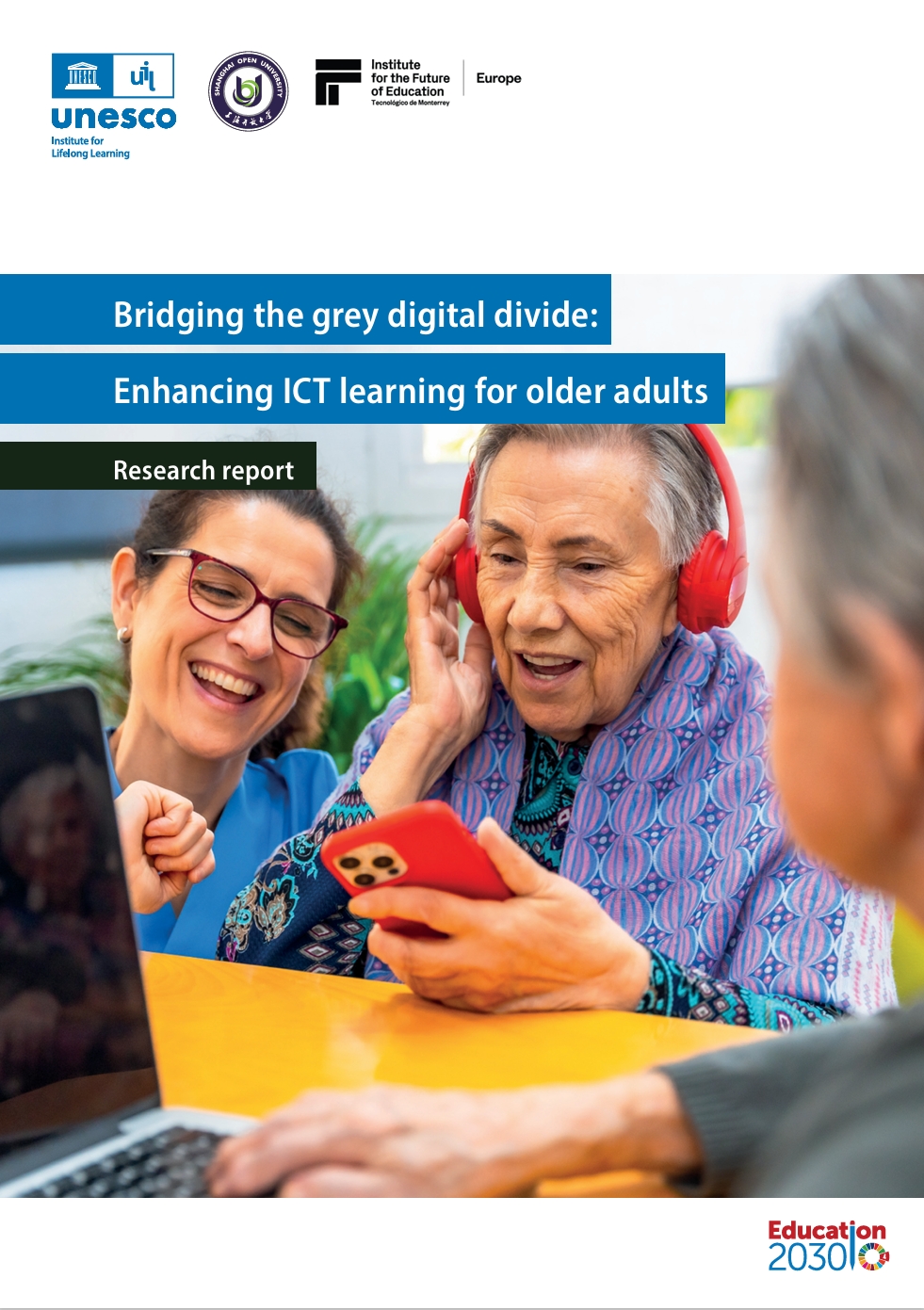 Bridging the Grey Digital Divide: Enhancing ICT Learning for Older Adults; Research Report