
Case Study - Pakistan: Education, Religion and Conflict
Pakistan is in the midst of crisis. It is threatened by virulent extremist groups and is suffering from a failing education system that is poorly funded and politically manipulated. It promulgates an undefined Islamo-nationalist ideology that lays the foundations for widespread acceptance of ideologically motivated violence. Reforms to the curriculum have been legislated but are badly implemented by the country's politicians; the international community has largely turned a blind eye to these shortcomings. Unless aid and advocacy are specifically focused on far-reaching educational reform that directly tackles extremism, the long-term consequences will be extremely severe.
관련 자료
-
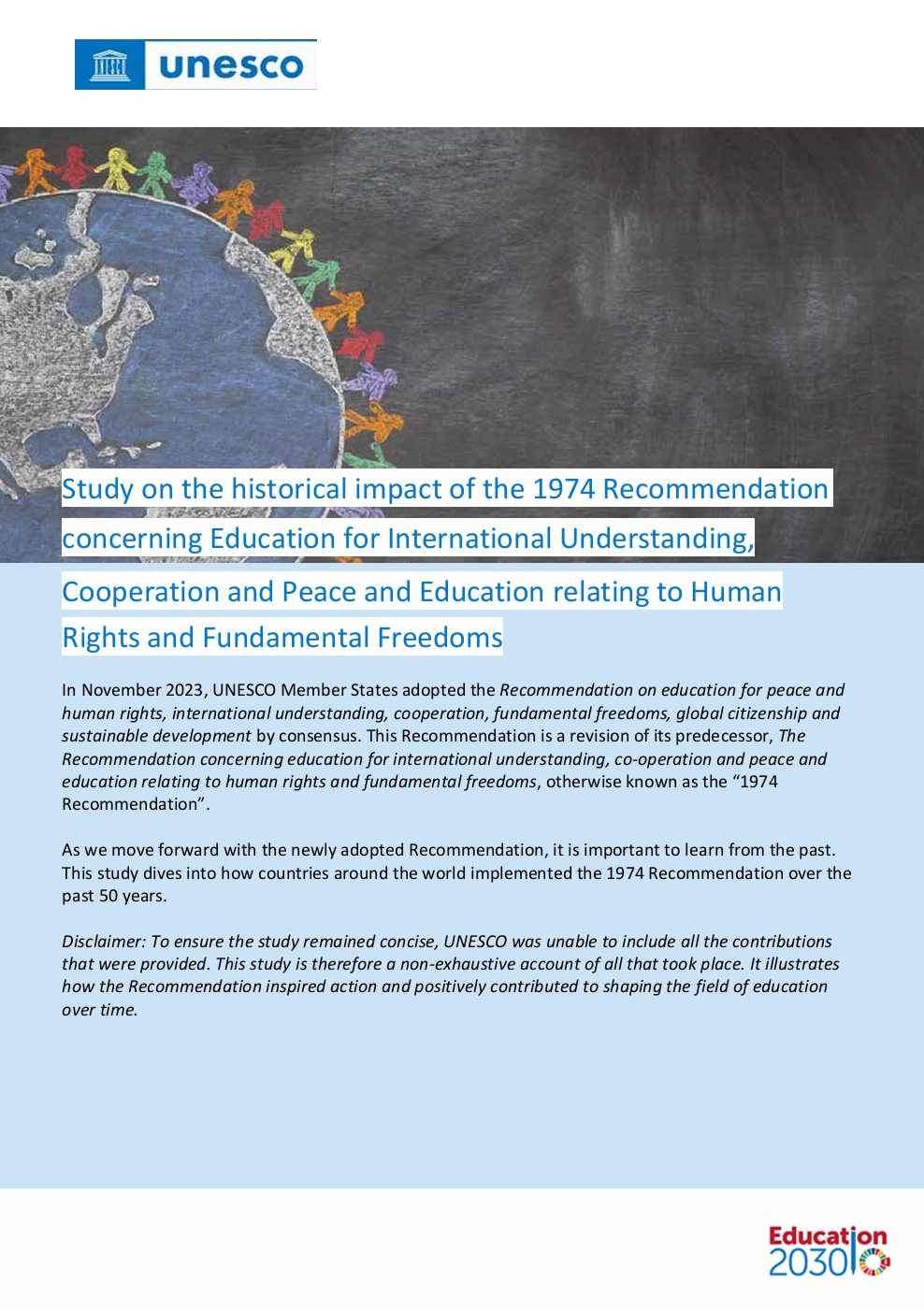 Study on the Historical Impact of the 1974 Recommendation concerning Education for International Understanding, Cooperation and Peace and Education relating to Human Rights and Fundamental Freedoms
 -
 IIEP-UNESCO 12th Medium-Term Strategy: 2026–2029
 -
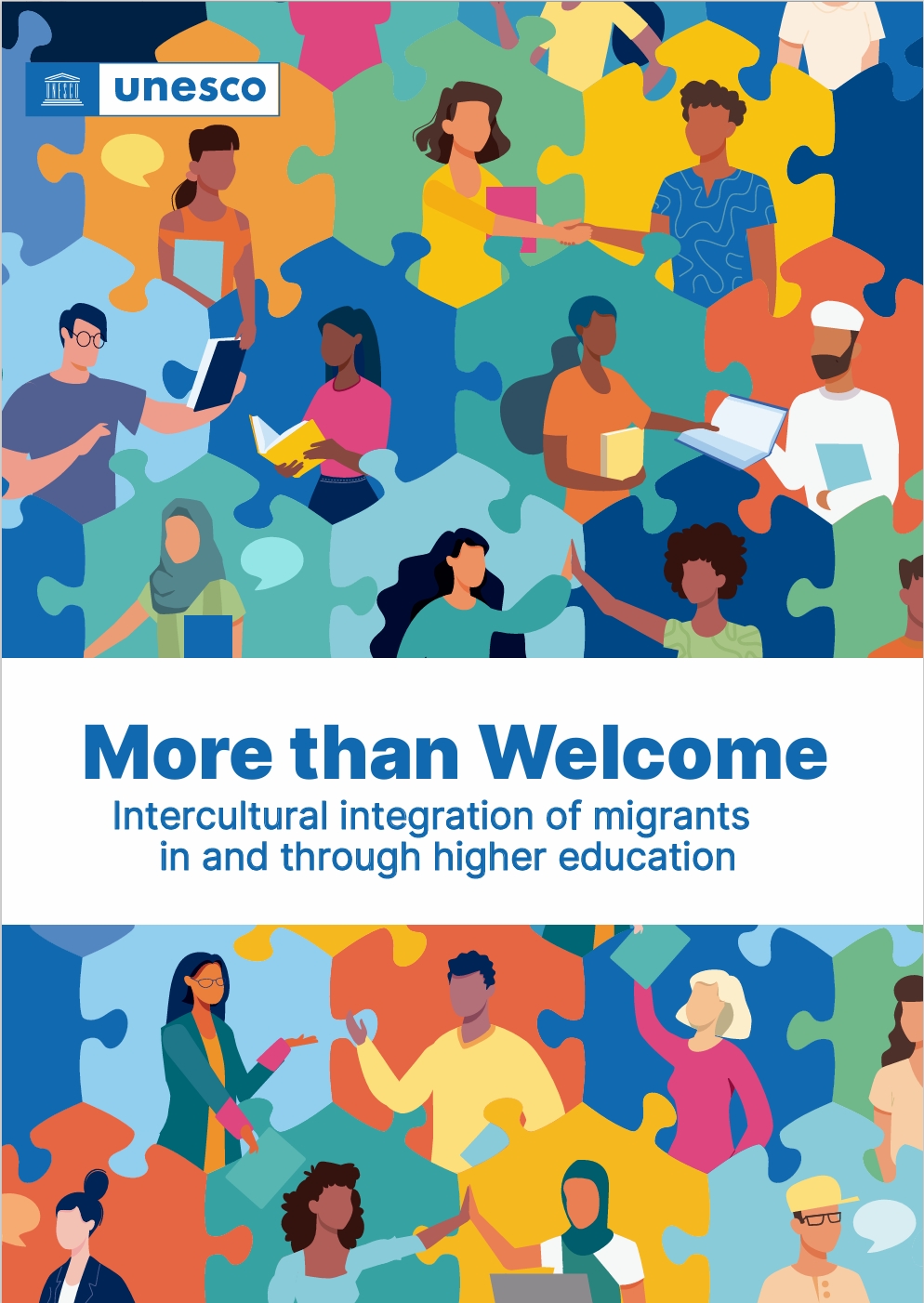 More than Welcome: Intercultural Integration of Migrants in and Through Higher Education
 -
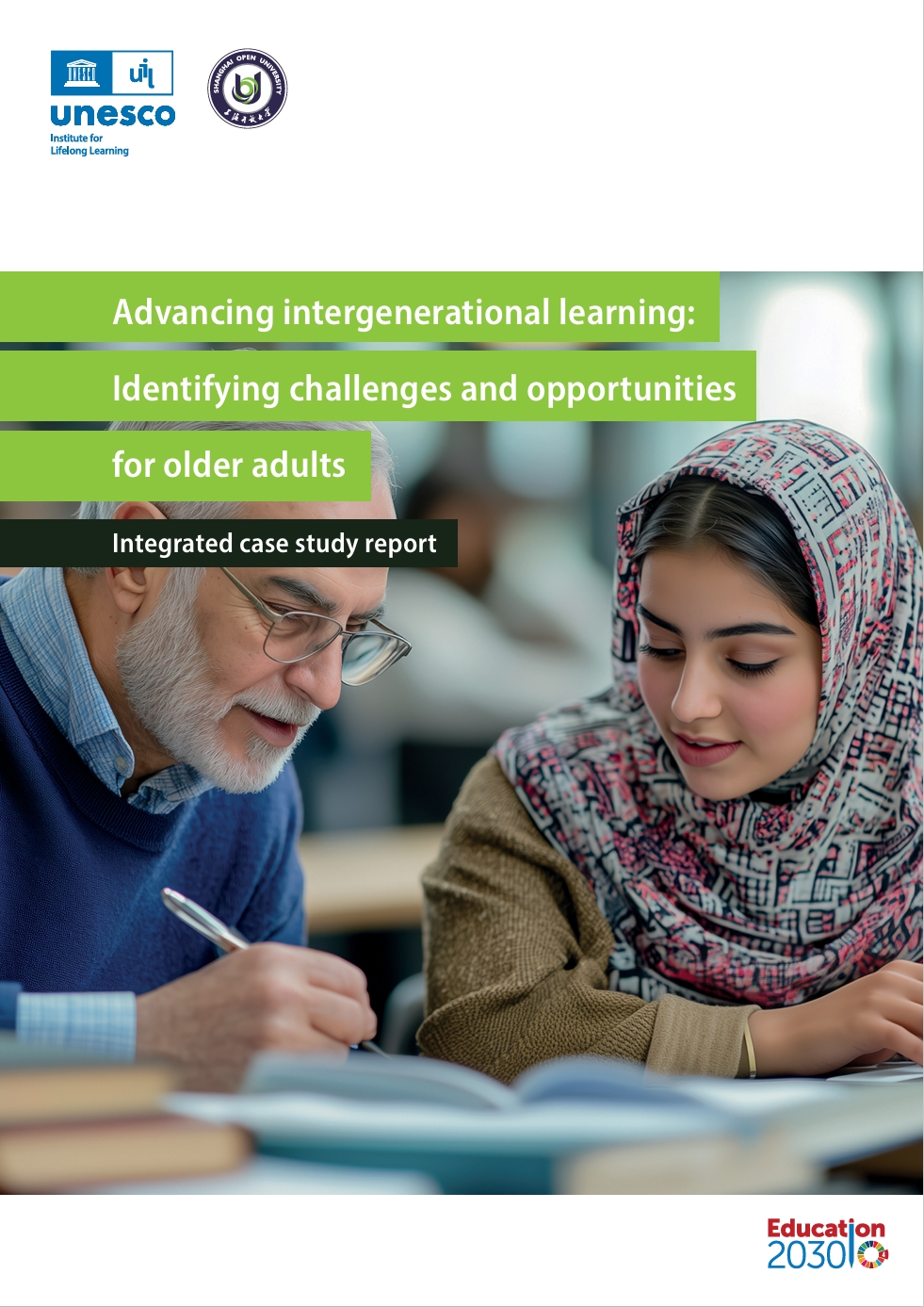 Advancing Intergenerational Learning: Identifying Challenges and Opportunities for Older Adults; Integrated Case Study Report