
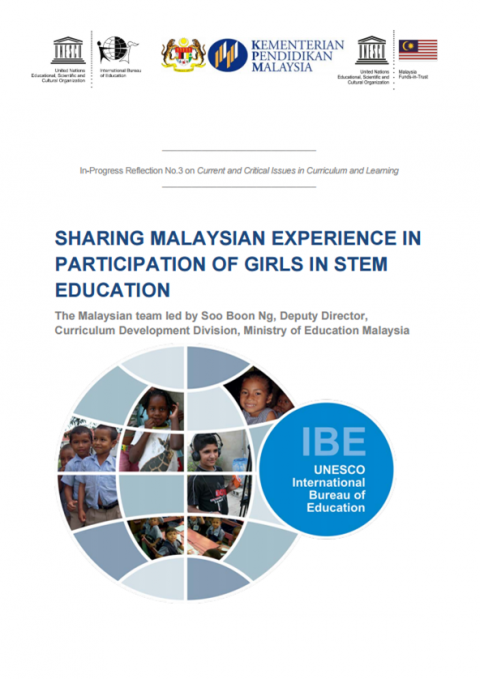
Sharing Malaysian experience in participation of girls in STEM education
- Корпоративный автор
- UNESCO International Bureau of Education (IBE)
- Колляция
- 33p
- Язык ресурса
- Английский
- Год публикации
- 2016
- Ключевые слова
- Учебный планПрава человекаTransformative pedagogyEquity
- Тема
- Гражданственность / Гражданство / ДемократияРазнообразие / Культурная грамотность / ИнклюзивностьПрава человекаГлобализация и социальная справедливость / Международное взаимопониманиеУстойчивое развитие / УстойчивостьТрансформационные инициативы / Трансформационные педагогики
- Тип ресурса
- Исследовательские работы / журнальные статьи
- Уровень образования
- Среднее образованиеВысшее образование
- Регион
- Азия и Тихоокеанский регион
- Место публикации
- Geneva
- URL электронной книги
- [E-BOOK]
The Malaysia government has placed STEM as a focus in developing the country towards achieving the status of a developed nation. The government acknowledges the role of women as equal partners in nation building. Thus, various policies ranging from economy, education, women’s welfare and human resources have been formulated through the years. These policies have resulted in among others, the increase in women researchers from 35.8% in 2004 to 49.9% in 2012 as well as more women’s participation in selected STEM courses at the tertiary level. A total of 84 girls’ day schools with 6 of them as residential STEM Girls’ schools have been built since 1939. There are many female role models in STEM for the girls to emulate. This has been made possible by the successful implementation of the various policies related to women in STEM as well as innovative measures in facing the continuing challenges in STEM education.
Связанные ресурсы
-
 IIEP-UNESCO 12th Medium-Term Strategy: 2026–2029
 -
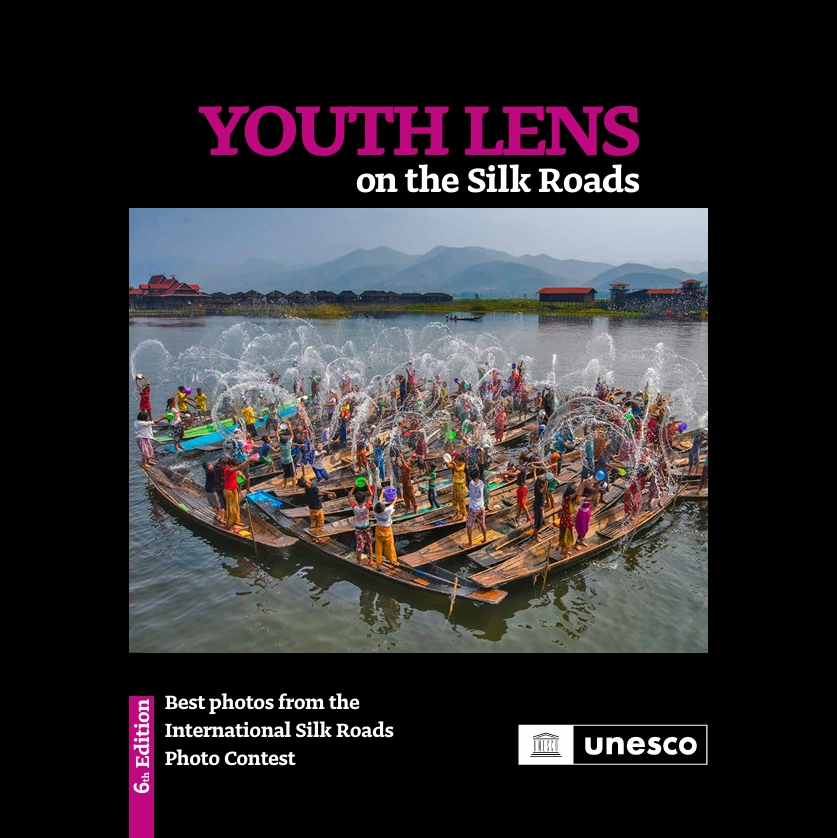 Youth Lens on the Silk Roads: Best Photos from the International Silk Roads Photo Contest; 6th Edition
 -
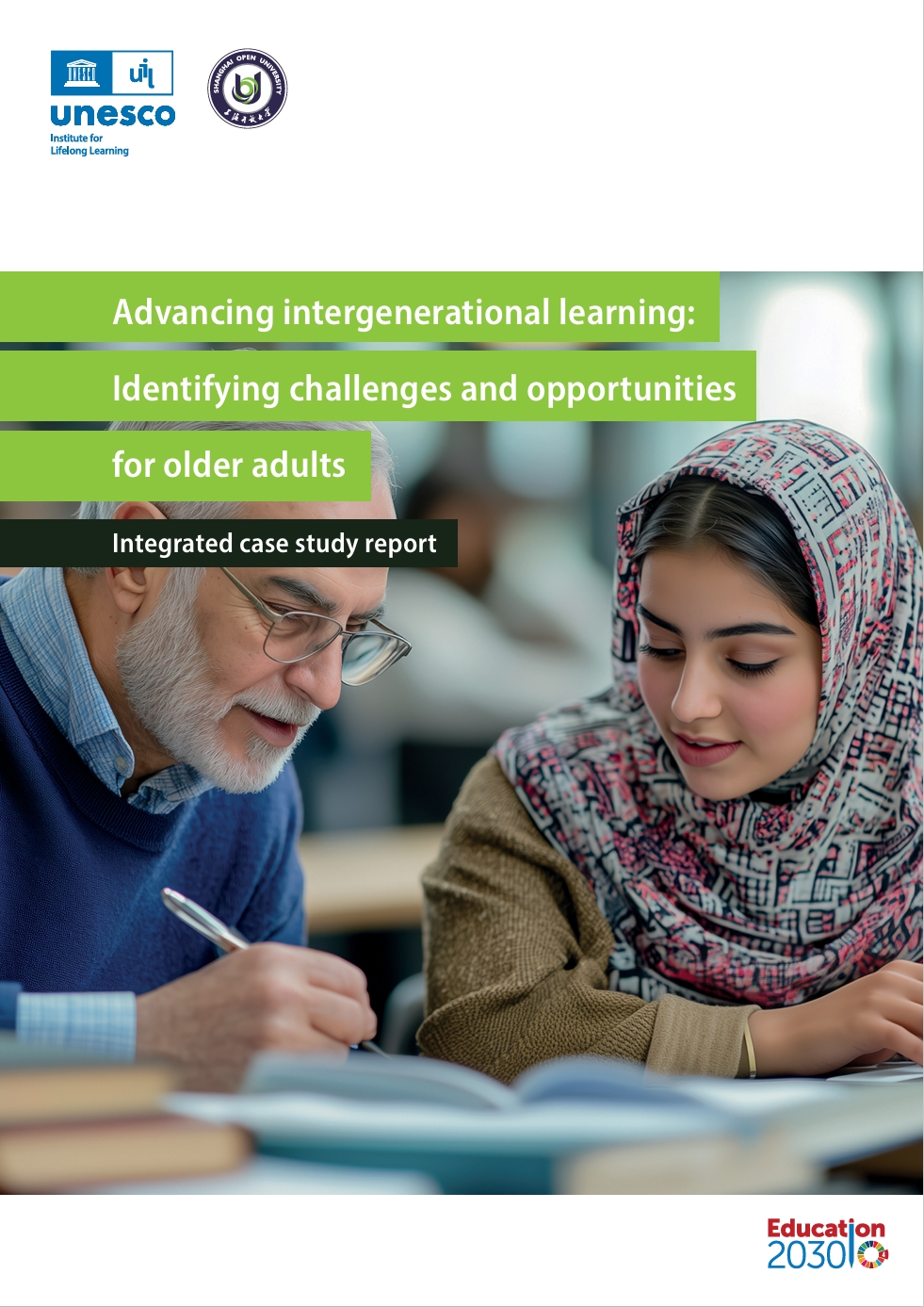 Advancing Intergenerational Learning: Identifying Challenges and Opportunities for Older Adults; Integrated Case Study Report
 -
 Digital Empowerment for Lifelong Learning and Transformative Andragogy (DELTA) for Adult Educators: Introduction to the DELTA Framework and Resources