
© INEE 2020
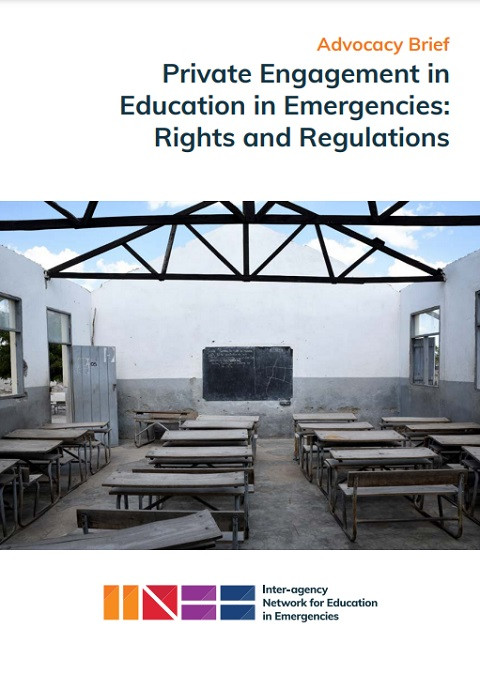
Private Engagement in Education in Emergencies: Rights and Regulations
- المؤلف المؤسسي
- Inter-agency Network for Education in Emergencies (INEE)
- الترتيب
- 24 p. (eng)
- لغة المورد
- الإنجليزيةالفرنسيةالإسبانيةالعربيةالبرتغالية
- سنة النشر
- 2021
- الكلمة المفتاحية
- AdvocacyCOVID-19Pandemics2030 AgendaSDG 4
- الموضوعات
- المدنية / المواطنة / الديمقراطيةالتنوع / محو الأمية الثقافية / الشموليةحقوق الإنسانالعولمة والعدالة الاجتماعية / التفاهم الدوليالتنمية المستدامة / الاستدامة
- أنواع الموارد
- الصكوك المعيارية العالمية/وثائق السياسات والدعوة
- المناطق
- جميع دول العالم
- مكان النشر
- New York
Efforts to secure inclusive and equitable education for all have prompted calls for greater engagement by the private sector, asserting that businesses and foundations can play significant roles as partners in achieving Sustainable Development Goal 4 (SDG4).
In recent years, given shortfalls in public financing and the need for urgent responses, private actors have increasingly become involved in various aspects of educational programming for education in emergencies (EiE). This arrangement, however, can produce tensions between private engagement and humanitarian response in education, which need to be addressed and in turn require extra coordination, advocacy and attention. This brief explores some of these tensions and makes recommendations to support the prioritization of safe, equitable, and quality public education for all children and young people affected by crises.
INEE supports every young person’s right to education and recognizes the State as the primary duty-bearer of schooling, in alignment with international declarations, frameworks, and legal instruments that assert and protect the right to education.
موارد ذات صلة
-
 IIEP-UNESCO 12th Medium-Term Strategy: 2026–2029
 -
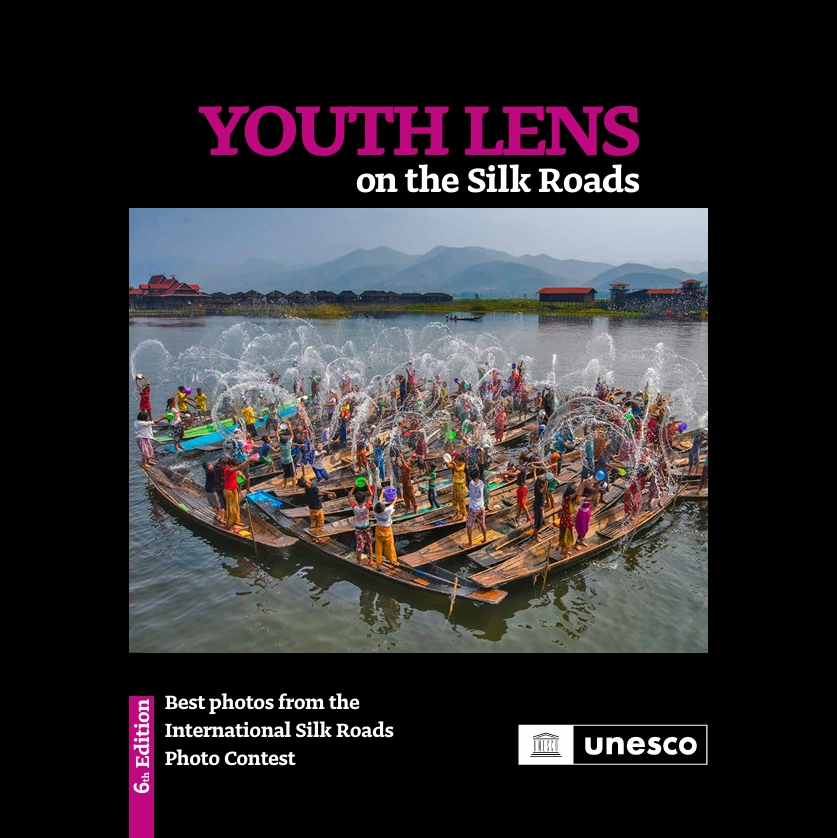 Youth Lens on the Silk Roads: Best Photos from the International Silk Roads Photo Contest; 6th Edition
 -
 Advancing Intergenerational Learning: Identifying Challenges and Opportunities for Older Adults; Integrated Case Study Report
 -
 Digital Empowerment for Lifelong Learning and Transformative Andragogy (DELTA) for Adult Educators: Introduction to the DELTA Framework and Resources