
News
Follow the newest trends and news in GCED.
1,676 Results found
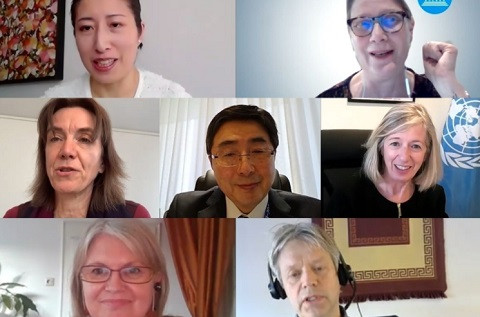 Education for Sustainable Development: Building Forward, Building Better 28 February 2021 New York, 26 February 2021 – The Group of Friends for Education and Lifelong Learning teamed up with UN Member States, UNESCO, UNFCCC and education experts to put the spotlight on Education for Sustainable Development (ESD) as an enabler for the COVID rebuilding process and the achievement of the Sustainable Development Goals. The Group of Friends for Education and Lifelong Learning and UNESCO organized a virtual briefing entitled “Education for Sustainable Development: a driver for building back better”. Bringing together key stakeholders, the briefers discussed pathways to create a momentum for strengthening ESD in “building forward better, more sustainable and more inclusive” - amidst the international community’s concerted efforts to respond to the COVID-19 crisis. The panel stressed the need for establishing a conducive ‘environment’ to change mind-sets and equip learners with the knowledge, skills, values and attitudes required to contribute to a more sustainable world. Hosting the briefing on behalf of the Group of Friends, H.E. Mr. Ishikane Kimihiro, Ambassador, Permanent Representative of Japan to the UN, highlighted the transformative role of ESD for building sustainable world founded on solidarity and harmony. Ambassador Ishikane called upon the international community to address without delay the aggravating factors such as digital divide and insufficient teacher training that impede the implementation of the Sustainable Development Agenda. Echoing him, Ms. Stefania Giannini, UNESCO Assistant-Director General for Education, stressed that education must give learners the knowledge, skills, values and attributes to build lasting peace on earth. In light of the upcoming UNESCO’s World Conference on ESD, she called upon Member States to commit to ‘ESD for 2030’ global framework by adopting the Berlin Declaration on Education for Sustainable Development which will underline key points of action in the next decade. “We need your support and strong leadership to make 2021 a year which is remembered for re-defining education and taking the future of the planet in a new and more sustainable direction,” said Ms. Giannini. Champion countries added their voice in recognizing the global urgency to mainstream ESD into national curricula and pedagogical approaches. Germany put out a national plan on ESD in 2017 to scale up ESD in all areas - a milestone that directly engaged all participants of its national multi-stakeholder process. Representing the Permanent Mission of Germany to the United Nations, Ms. Karin Goebel, underlined the key importance of setting up a multi-stakeholder network for implementing ESD recommendations on national and global levels. As the host country of UNESCO World Conference on Education for Sustainable Development in May, Germany reaffirmed its commitment to scaling up its efforts in integrating sustainability into education systems and to deepening the interlinkages between digitalization and ESD. On its side, Italy has invested into leveraging education to achieve a more sustainable recovery from the COVID-19 pandemic. The Deputy Permanent Representative of Italy to the UN, Mr. Stefano Stefanile, highlighted his government’s dedicated efforts in hosting COP26 in partnership with the United Kingdom and stressed the commitment to actively involving youth in climate change actions. Key experts and practitioners outlined the progress achieved during the ESD Decade and ways forward to capitalize on ESD as a key enabler for building forward, building better. Ms. Vibeke Jensen, UNESCO Director of the Division for Peace and Sustainable Development, briefed on the preparations for the upcoming ESD Conference and invited Member States to launch national initiatives, building on existing work and creating a new momentum together with diverse stakeholders. Mr. Arjen Wals, UNESCO Chair of Social Learning and Sustainable Development and Professor of Transformative Learning for Socio-Ecological Sustainability at Wageningen University, underscored that ESD can be a catalyst for transformation and that unleashing its potential would require reframing sustainability not as a goal but as a moral quest for a better world for all. He said “ESD is a continuous life-long mission; we should replace a culture of fear and powerlessness with a pedagogy of hope and space for action,” Ms. Fleur Newman, Action Empowerment Unit Lead at UNFCCC, introduced the Action for Climate Empowerment (ACE). This international framework aims to educate, empower and equip learners with the understanding that climate change is tied to poverty, equality, and biodiversity. “We are convinced that this willingness to engage on the topic will result in a robust decision at COP 26 that can catalyse action and deepen understanding of the critical role that education plays in achieving the goals of the Paris Agreement,” concluded Ms. Newman. URL:https://en.unesco.org/news/education-sustainable-development-building-forward-building-better
 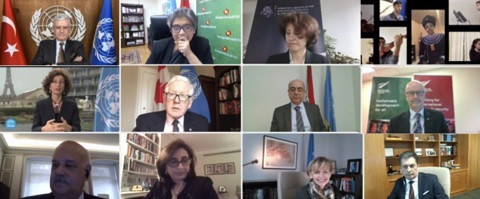 Linguistic diversity is a mirror of cultural richness and imperative for inclusivity in education and society 25 February 2021 New York: On the occasion of the International Mother Language Day 2021, UN Member states stressed the role of multilingualism in building more inclusive and peaceful societies and education systems. The annual celebration, organized by the Permanent Missions of Bangladesh, Brazil, Canada, Egypt, Jordan, Lithuania and New Zealand along with the United Nations and UNESCO, highlighted the importance of cultural and linguistic diversity for sustainable societies and leaving no one behind. The virtual celebration convened this year under the theme “Fostering multilingualism for inclusion in education and society” brought together high-level officials, UN ambassadors and senior UN representatives. The panel moderated by H.E. Ms. Rabab Fatima, Ambassador and Permanent Representative of Bangladesh to the United Nations, features addresses and messages by the President of the UN General Assembly H.E. Mr. Volkan Bozkir, Mayor of New York City Bill de Blasio, UN Under-Secretary-General Melissa Fleming and UN Coordinator for Multilingualism and Under-Secretary-General Movses Abelian, among others Joining on behalf of UNESCO, Marie Paule Roudil, UNESCO Representative to the United Nations introduced the video message by Audrey Azoulay, UNESCO Director-General. UNESCO Chief recalled that idea to celebrate International Mother Language Day was the initiative of Bangladesh, and 2021 celebration is of particular significance as it coincides with the 100th anniversary of the birth of the independence hero Bangabandhu, Sheikh Mujibur Rahman, who significantly contributed to the recognition of Bengali. In her remarks, the Director-General called to ensure the vitality of languages outside of school, and in particular on the Internet, which excludes 98% of all languages. In this framework, Ms. Azoulay highlighted the Translate a Story launched by UNESCO initiative last November, during the pandemic. As part of this project, more than 6,000 books have been translated into over 100 languages, including Awadhi in India, Balinese in Indonesia and Venda in Zimbabwe. The campaign aims to enrich the Global Digital Library, which offers free access to thousands of books, manuscripts, pictures and films from across the world. Throughout the discussion, participants emphasised reaffirmed importance of the multilingual education in building more peaceful and resilient societies and fighting intolerance, and the need to ensure inclusive quality education, especially in the context of recovery from COVID-19. Numerous delegations brought attention to the need to protect linguistic diversity and indigenous languages in particular, also referring to the United Nations International Decade of Indigenous Languages (2022-2032), which places multilingualism at the heart of indigenous peoples’ development. Highlighting the crucial role of languages in preserving cultural diversity, the celebration also featured multilingual cultural performances by the UN Camber Music Society, Asian University of Women and the UN International School. URL:https://en.unesco.org/news/linguistic-diversity-mirror-cultural-richness-and-imperative-inclusivity-education-and-society
  UNESCO co-leads Afghanistan’s education sector for its first time 23 February 2021 UNESCO has received endorsement of the Ministry of Education and development partners in Afghanistan to take the co-lead role of the Local Education Group (LEG) in Afghanistan, starting initially for a one-year term to December 2021 with a possibility of extension of a second one-year term after that. It joins UK’s Foreign, Commonwealth and Development Office (FDCO) in this role following the end of UNICEF’s tenure as the co-lead in June 2020. Following this endorsement, UNESCO Kabul Office Director and Country Representative, Dr. Jordan Naidoo said, “UNESCO is honored to co-lead the Local Education Group and the Development Partners’ Group (DPG) with the FCDO, noting that these platforms represent the true spirit of partnership.” He affirmed, “UNESCO is committed to supporting the MoE and partners to improve the coordination of technical and financial support and to promote inclusive sector dialogue, enabling all partners to contribute to Afghanistan’s education policies and their implementation, with the aim to ensure equitable lifelong learning for all.” A Local Education Group (LEG) aims to foster an inclusive and transparent dialogue on a country’s education policies, and support the relevant government in developing, implementing, monitoring and evaluating national education sector plans. While in Afghanistan the National Education Strategic Plan (NESP) Steering Committee serves as the LEG, the Development Partners’ Group is a complementary forum for synergized discussion among the development partners to improve coordination in resource mobilization, strengthen implementation, and strategize collaboration between the education stakeholders. The co-leads of the LEG are also the co-leads of the DPG. The LEG and the DPG play a significant role in the development as well as the implementation of the NESP. Throughout the years, different development partners including UNICEF have fulfilled the role of co-leads of these mechanisms in harmonizing efforts to improve education services and outcomes in Afghanistan. Ms. Erinna Dia, former head of education section in UNICEF Afghanistan Office believes that the DPG is a good platform for improving the coherence and quality of education policy dialogue and aid in alignment with the Sustainable Development Goals (SDGs) 4 and 5 and Afghanistan’s national priorities, ensuring adequate response to children needs, especially girls, in both development and humanitarian contexts. She also added that “the nomination of UNSECO as the co-lead is welcome as it will help ensure that all education sub-sectors, especially higher education and technical and vocational education and training (TVET), are properly accounted for.” Based on UNESCO’s global expertise, and its role in leading coordination of the SDG4 targets globally, the UNESCO Kabul Office submitted an expression of interest as the co-lead in October 2020, and was confirmed unanimously. Following a robust process, UNESCO with endorsement from the leading development partners in the DPG and the Government of Afghanistan has become the official co-lead for the LEG. Dr. Attaullah Wahidyar, Deputy Minister for Education at the MoE, highlights that “the thirst for indigenous quality education remained a historic priority in Afghanistan with its content, delivery and philosophy being continually debated and fiercely contested at all times.” He also believes that while delivery of equitable quality education with strongest public ownership remains a national priority, financing, harmonization, alignment and coordination with all stakeholders is also equally important if this national desire has to be materialized. Acknowledging the important role of the LEG, he added that “education sector needs a robust mechanism of coordination with all stakeholders, a job that the LEG is doing very well.” On UNESCO’s new role as the co-lead, he indicated “UNESCO, a long-term trusted partner of MoE, as co-lead of the LEG would provide technical lens to ongoing developing partnerships between MoE and its development partners. We are grateful to UNESCO’s continued engagement on key areas like curriculum, and sincerely look forward to their technical support in the strenuous initiation phase of the biggest reform agenda of MoE in decades that requires partnerships at all levels in order to be successful in making MoE a cost-effective, accountable, transparent and adequately funded enterprise.” Mr. Antony Tam, head of education section in UNESCO Kabul Office, looks forward to the fruitful collaboration and coordination between development partners and MoE with UNESCO’s new role in the LEG and the DPG. “An immediate next step is to coordinate support and input from education stakeholders on the reform agenda of MoE and to review the existing mechanism with a view to strengthening coordination among education stakeholders to align with the reform agenda,” he added. URL:https://en.unesco.org/news/unesco-co-leads-afghanistans-education-sector-its-first-time
 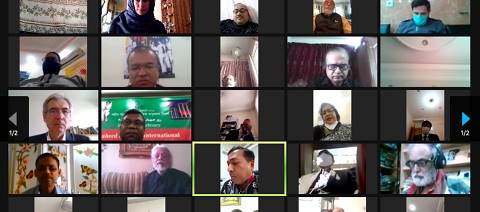 Languages Connect the World! 23 February 2021 On 21 February UNESCO Tehran joined the Embassy of Bangladesh in Tehran to mark the International Mother Language Day through a virtual recitation and discussion meeting. This year the Day celebrated at a time when the world is going through an unprecedented crisis. The online meeting was opened by his Excellency Mr Gousal Azam Sarker, the ambassador of Bangladesh in Iran. He welcomed and thanked the audience for attending the online celebration. Stating the background of the Day, he recalled the martyrs who lost their lives on this Day. Mr Cvetan Cvetkovski, the Officer-in-Charge of UNESCO Tehran Cluster Office commenced his opening remarks by quoting the message of UNESCO’s Director General for this day: “The theme of the Day this year, "Fostering multilingualism for inclusion in education and society", thus encourages us to support multilingualism and the use of mother tongues, both at school and in everyday life. This is essential, because when 40% of the world's inhabitants do not have access to education in the language they speak or understand best, it hinders their learning, as well as their access to heritage and cultural expressions. This year, special attention is being paid to multilingual education from early childhood, so that for children, their mother tongue is always an asset.” He continued further by mentioning UNESCO activities to promote linguistic diversity including on the Internet, in the context of “International Decade of Indigenous Languages (2022-2032)” etc. At the second part of the programme, poets from Bangladesh and Iran recited poems in their mother tongue and participated in the discussion meeting. URL:https://en.unesco.org/news/languages-connect-world
 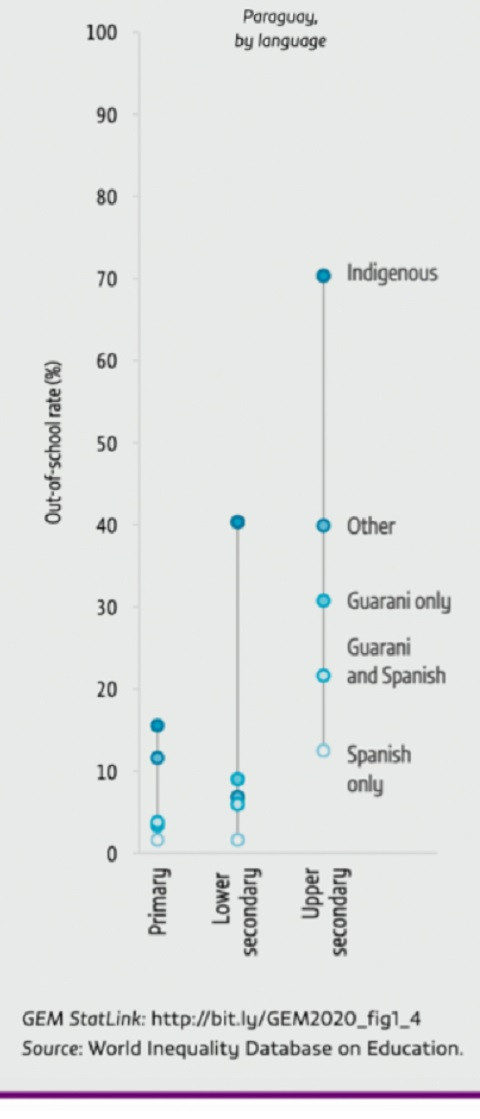 Mother-tongue instruction and inclusion – a critical but complex relationship 23 February 2021 The road to inclusion in education is not easy. Rather, it can often be full of dilemmas and tensions. The case of linguistic minorities showcases some of these challenges. Well-intended efforts to include can slide into pressure to conform, wear down group identities, and drive out languages. Conversely, the boundaries of inclusion can be blurred when communities self-segregate in schools that cater to their language needs. Such tensions can be observed even within communities. In Peru, some rural communities advocate prioritizing Spanish and reject bilingualism, while others demand education more aligned with their local reality, with local teachers who master students’ native language and value local knowledge and traditions. In Central and Eastern Europe, the Caucasus and Central Asia, 22 out of 30 education systems we examined for our recent regional report have separate schools for linguistic minorities. North Macedonia’s curriculum is taught in separate primary schools for learners from the Albanian, Bosniak, Serbian and Turkish communities. Kazakhstan has schools for Russian, Tajik, Uighur and Uzbek ethnic and linguistic minorities. In Slovakia, learners from the Hungarian and Ukrainian minorities may attend schools and classes providing education in their language. But despite their good intentions to protect minorities’ rights, parallel provision can also work against inclusion, which is best served by intercultural learning in mainstream schools. Ideally, bilingual schools would ensure the ethnic majority and minority learn together in both languages and from a common curriculum that is representative of both groups. If simple answers to complex contexts are hard to come by, we do know that many who are still excluded are disadvantaged due to language. Language impacts on chances of being out of school, as in Paraguay. It affects learning too: grade 4 students in middle- and high-income countries who were taught in a language other than their mother tongue typically scored 34% below native speakers in reading tests. In the Russian Federation and Turkey, those who did not speak at home the language in which the PISA assessment was administered averaged 12 percentage points below those who did; in Slovakia the gap was 18 percentage points. In Latin America, education outcomes of indigenous language speakers tend to be worse than those of self-identified indigenous people who speak only Spanish. Gaps in learning can be found in reading scores between immigrants and native speakers of the main language. In the Autonomous City of Buenos Aires, Argentina, the gap was 36 percentage points in 2015. Legal and policy frameworks need to prioritise inclusion based on home language Information on laws and policies related to inclusion in our PEER website shows that 60% of countries have laws focused on inclusion that target linguistic minorities. Among the 30 education systems we reviewed in Central and Eastern Europe, the Caucasus and Central Asia, however, only 6 refer in their general education laws to the right to support, protect and use minority languages or prohibit segregation. In Croatia, there is a constitutional obligation to offer minorities education in their home language, which led to a Language and Culture of the Roma National Minority curriculum being introduced in 2020. In the Russian Federation, a 1999 federal law protects indigenous minorities, including in education. A 2006 law in the Yamalo-Nenets Autonomous Okrug on indigenous minorities includes provisions for education support and promotion of native languages. Analysis of PEER profiles showed that Latin America and the Caribbean prioritised home languages more than any other region, with 59% of countries providing for inclusion based on home language in legislation and policies. In Chile, indigenous languages were incorporated into schools with over 50% indigenous enrolment in 2010. In 2013, this was extended as a voluntary initiative in schools with at least 20% indigenous enrolment. a curriculum framework for indigenous languages has been implemented in Aymara, Mapuzugun, Quechua and Rapa Nui. Study plans and programmes have also been developed. In Mexico, the General Law on the Linguistic Rights of Indigenous Peoples recognizes the right to preserve and enrich native languages and guarantees access to bilingual and intercultural education. A review of language policies in six South-eastern Asian countries noted that only Myanmar recognized three languages – mother tongue, Burmese and English – in its language policy, introduced in 2016. In Bangladesh, where its 2010 National Education Policy recognizes the right of all children to receive mother tongue education, a Mother tongue-based Multilingual Education programme has been introduced in five indigenous languages in pre-primary education. Cambodia’s 2015–18 Multilingual Education National Action Plan enabled ethnic minority learners to take preschool and the first three years of primary school in five languages other than Khmer. Thailand has a policy calling for the use of first language, but the use of Malay as a language of instruction is limited to pilot projects. A relevant curriculum and appropriate textbooks are important An appendix to Article 29(1) of the Convention on the Rights of the Child emphasizes that ‘the curriculum must be of direct relevance to the child’s social, cultural, environmental and economic context’. In some cases, discrimination can be blatant. Roma learners’ history and language barely feature in textbooks in many Central and Eastern European countries. Even when curricula and textbooks adapt, they sometimes fall short of the ideal. In Anguilla, initiatives for the growing Spanish-speaking community support English as a second language in primary but not secondary school. In Belarus, learning materials in minority languages are available only as supplements. In Suriname, ‘multilingual lessons’ of half an hour per week are provided but these are not intended as mother tongue-based multilingual education. In Central Asia, following the break-up of the Soviet Union, countries developed state language schools and tried to strengthen state language teaching. However, the collapse of textbook supply chains left less than 40% of sanctioned textbooks in Kazakhstan available in Kyrgyz and Russian and even less in Uzbek and Tajik. The recent adoption of a trilingual education policy is changing this. Multiple promising examples exist. In Nepal, the Curriculum Development Centre developed primary school textbooks and supplementary reading materials in 22 languages. In the Philippines, textbooks have been prepared and translated in 14 languages to support the curriculum for indigenous people. In Guatemala, textbooks in Mayan languages have been produced. In Romania, if students from national minorities attend Romanian schools or schools of other ethnic minorities, they can demand to be taught language and literature, history and traditions, and music education in their home language. There is no one approach to providing mother-tongue instruction, just as there is no one vision of inclusion for everyone to sign up to. But all education systems should respect cultures and their languages. URL:https://gemreportunesco.wordpress.com/2021/02/19/mother-tongue-instruction-and-inclusion-a-critical-but-complex-relationship/
 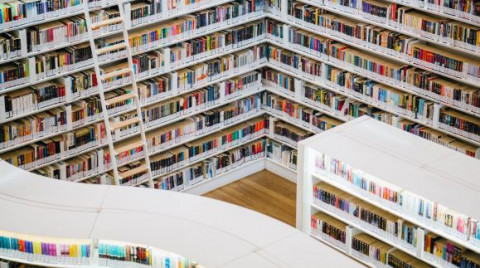 Achieving our potential: Libraries, literacy and learning throughout life 22 February 2021 Libraries are a great resource when it comes to learning, says Stephen Wyber of the International Federation of Library Associations and Institutions. When we talk about infrastructure, we tend to think of roads, railways, cables and other physical networks crossing the landscape, enabling economic activity and growth. But the term can be extended to other areas that provide people with ways to achieve their goals, such as culture, research, and, of course, learning. This blog looks at the last of these – the infrastructure for learning, throughout life. In particular, it considers the role of libraries both as providers of support and as partners and platforms for others, and looks at how to make the most of the unique characteristics of libraries as public, non-commercial, well-known and trusted community spaces. A first key point to underline is how strong the library network is. Globally, there are at least 430,000 public and community libraries (one for every 16,000 people, for countries where we have data), millions of school libraries, and many other kinds of libraries all over the world. In effect, libraries are a pre-existing resource, ready and waiting to be engaged in efforts to support literacy throughout life. A second is that they have an explicit mission to support education. This role is made clear in the Public Library Manifesto International Federation of Library Associations and Institutions (IFLA) and UNESCO, which underlines the mission of libraries to promote literacy and learning throughout life for all. There are of course many great examples of this from the ground, showing what is possible. For example, IFLA’s Library Map of the World project provides access to examples of how libraries in different countries contribute to literacy goals, as well as to the wider United Nations’ Sustainable Development Goals. However, this is not all that the Library Map of the World offers. It is also a key source of data that can help us understand better where we stand, and the trends and evolutions that are shaping the future. They can help us make comparisons, identify successes, and make connections. They are also critical in making an effective case for providing support to libraries. IFLA as an organization is therefore working hard to strengthen the availability of data about libraries. To show the potential of the global library field, the Library Map of the World features all types of libraries, including national, academic, public, community, school, and special libraries. The initial set of performance metrics include number of libraries, number of libraries providing internet access, number of staff and volunteers, number of registered users and visitors, and number of loans. Reliable global library statistics is our shared vision and there’s already a huge amount of information available. Thanks to this comprehensive data collection about libraries, we are beginning to be able to identify correlations, at the macro level, between libraries and literacy performance. For example, we can show that: Where there are more public librarians, there are more adults involved in lifelong learning. Where young people have access to libraries, they score about a year ahead in their reading skills than those who don’t. Countries with higher adult literacy are, in general, characterised by a denser coverage of libraries, or in other words the smaller the population each individual public library needs to cover, the higher the literacy rate of the country. Children who are less advantaged – for example because they come from an immigrant or minority-language household, because they have fewer resources, or because their parents are not so highly educated, tend to rely more on libraries than do their better off peers. Libraries have both the reach and the mission to support lifelong learning. The goal must be to try and realize this potential more widely. IFLA is keen to help our members – associations, institutions – to contribute most effectively to the work of governments in promoting literacy everywhere. To do this – building on both the micro-level examples and the macro-level data – we are also working to identify examples of inclusion of libraries in national literacy and reading strategies. Analysing global experiences, we can identify some interesting trends and innovative best practices around libraries and lifelong literacy that are already part of government policies: Governments can engage libraries, alongside schools and community institutions, in both planning and implementation of literacy and reading strategies. This way, strategies can ensure full use is made of the possibilities that exist. Governments can see librarians as key actors in promoting literacy and give them the training they need. This can be a very cost-effective way of effectively engaging new literacy and reading promotors. Governments can ensure that libraries are able to provide services outside buildings, through mobile provision or through digital means. This is particularly important during the current pandemic, but it mattered before too, especially in countries with a less dense network of libraries. Governments can use libraries as one-stop-shops, where people can access all kinds of services while developing literacy skills, such as government services or support in finding a job. Governments can strengthen national library networks, which will mean that our institutions can better share resources and ideas efficiently. This will in turn help them be strong partners for national and local literacy initiatives. Looking forward, I hope we can do more to understand and fulfil this potential. It would be particularly interesting to explore what works in ensuring the coordination of library activities for literacy with those led by others, such as schools, researchers and the lifelong learning community. Can we learn lessons? Similarly, we need to explore to what extent a renewed focus on literacy serves to unify and strengthen library services, bringing wider benefits in terms of support for access to information more broadly. Finally, and in the specific case of COVID-19 in particular, we have to ensure that libraries are not only connected themselves, but continue to help users to be able to get access to the materials, information, online resources and services they need in this specific situation. This includes providing access to computers and the internet and support in using them. IFLA will continue to support the global library field with extensive information on how to best deal with the current pandemic by sharing information and global library practices, in the pursuit of making sure that communities are served in the best possible way with professional library and lifelong literacy services during these challenging times. Stephen Wyber is the Manager, Policy and Advocacy, of IFLA, the International Federation of Library Associations and Institutions. IFLA is the leading international body representing the interests of library and information services and their users. It has joined the Global Alliance for Literacy as an Associate Member in 2020. Stephen’s blog is based on his intervention during the latest meeting of the Global Alliance for Literacy. by Katja Römer URL:https://thelifelonglearningblog.uil.unesco.org/2021/02/10/achieving-our-potential-libraries-literacy-and-learning-throughout-life/
  Consultation Process for Development of new Irish Aid Development and Global Citizenship Education Strategy 2021- 2024 19 February 2021 We want to hear from you about how we can encourage learners of all ages to engage with development and global citizenship issues and how we can increase awareness of Irish Aid’s work. That might be through formal or informal education, including partnerships with the youth, adult and community sectors, business or others. We’d also like your views on digital outreach and how we can use technology to support life-long learning and engage the public on these important issues. Ireland’s policy for international development, A Better World, describes development education as “action-focused engagement that empowers people to understand the root causes of poverty and global inequalities”. It includes four primary commitments in the area of public engagement and global citizenship: To communicate our work in development cooperation more effectively; To reach new audiences and explore innovative approaches to broaden our public engagement; To promote our development cooperation activity and interventions through public engagement activity – including by supporting civil society groups working in this area; To dedicate more resources to achieving the objectives of our development education strategy. The intended outcome of the 2017 Irish Aid Development Education Strategy was an increase in the accessibility, quality and effectiveness of development education in Ireland through supporting the following five outputs:(a) POLICY ENGAGEMENT AND COHERENCE - An enabling and coherent policy environment for development education at local, national and European level.(b) CAPACITY BUILDING AND COLLABORATION - Maximised capacity, collaboration, partnership and coherence of development education partners to enhance the quality delivery, impact and communication of development education.(c) FORMAL EDUCATION - Further integration and mainstreaming of quality development education in formal education, curricula, programmes and structures.(d) NON-FORMAL EDUCATION - Increased integration, quality and spread of development education in non-formal education curricula, programmes and structures.(e) IRISH AID AWARENESS - Increased awareness within the education sector of Ireland’s development co-operation programme and of the UN Sustainable Development Goals. The overall objective of this new strategic planning process is:To develop an Irish Aid Global Citizenship and Development Education Strategy for 2021-2024, drawing lessons from the implementation of the 2017 strategy and taking account of changes in the societal, educational and technological context since that date including recent developments in the on-line delivery of education and digital outreach. As per our commitment in A Better World, the strategy will identify how we can work with our development education partners to support a broader public conversation on global citizenship issues - and communicate our work in international development more effectively. The process will explore innovative approaches to reaching new audiences and broaden our work on global citizenship and public engagement. It will draw lessons from and seek to build on synergies with other relevant Government strategies and policies, including in the area of integration. The eventual strategy will seek to promote engagement with global citizenship issues across Irish society and will identify how we can best support civil society groups as well as other formal and non-formal education actors operating in this area, including by engaging with initiatives designed to promote lifelong learning. In addition, the strategy process will: Learn from progress and challenges in operationalising the outputs of the 2017 strategic plan (policy coherence, capacity building, formal education, non-formal education and the Irish Aid Awareness Programme) and identify gaps and opportunities for a revised strategic approach from 2021 to 2024 and beyond. Identify measures to build greater engagement and coherence with the Department of Education including the Inspectorate and other Government Departments and agencies such as the Teaching Council, and the National Council for Curriculum and Assessment (NCCA). This will be especially important in the context of the development of a new National Strategy on Education for Sustainable Development and other relevant Government strategies for formal and non-formal education, as well as Ireland’s SDG National Implementation Plan and the development of a National Action Plan against Racism. Reflect on the design and management of the development education grants, strategic partnerships, support to development education through the programme grants scheme, as well as support to volunteering initiatives through the development education programme. This process will look across the grant management cycle, including the roll out of the performance management framework and make recommendations on improvements. Consider options in relation to increased capacity and improved structures and mechanisms to ensure the optimal delivery of outcomes as well as measuring and communicating impacts. As a key part of this process, Irish Aid wishes to consult with external stakeholders and is therefore inviting written submissions from interested parties, in the following format:1. Cover Page Nature of views (indicate personal / on behalf of an organisation): Organisation (if applicable): Role in organisation (if applicable): Web-address: Email: Daytime telephone number: Freedom of information: Responses are subject to the provisions of the Freedom of Information Acts and may be released in total or in part. Please indicate if there are aspects of your response that you seek to have withheld, and the reasons for same. Date of posting response: 2. The response should address some or all of the following questions: How can Irish Aid support life-long learning and increase public understanding of and engagement with development and global citizenship issues as well as increasing awareness of the Irish Aid programme? Are there other groups or organisations we should seek to work with in order to build this awareness and engagement? What has changed in the external environment since 2017, both in the education sector and broader societal changes nationally and globally, and how should that be reflected in our priorities, our relationships and in our revised strategy? What do you consider to be the key areas of progress made since 2017 in the implementation of the Irish Aid Strategic Planning process? Are there any key lessons learnt or gaps in the current response? With reference to the five output areas of the current Irish Aid Development Education Strategic Plan, what do you consider the key priorities for 2021- 2024 should be? Irish Aid is considering changing the name of the programme and strategy to Global Citizenship Education, do you have any comments or concerns in relation to this suggestion? What opportunities have arisen from the COVID-19 experience and how can we learn from it in order to reach a broader audience? How can technology and digital outreach help us? Submissions should not exceed 2,500 words and should be forwarded to barry.watts@dfa.ie by close of business on Friday 19 March, 2021. In addition, two half day public consultation workshops will be held in March and April 2021. Details to follow. **Please note that all submission may be published, and all submissions will be subject to the provisions of the Freedom of Information Acts. Comments involving allegations of any kind against a named or otherwise identifiable person or organisation may be viewed as defamatory by the subject of the comments. Those making submissions may be sued directly for any defamatory allegations in a submission and should avoid making such allegations** This article was originally published on the Irish Aid as below. URL:https://www.irishaid.ie/what-we-do/who-we-work-with/civil-society/development-education-funding/consultations/
  IIEP-UNESCO and NORRAG launch specialized course on “Using data and information for crisis-sensitive educational planning” 19 February 2021 Natural hazards and conflicts can devastate education systems. When faced with multiple risks – such as insecurity and severe weather – the stakes are even higher. Today, many governments, humanitarian, and development partners recognize the need to use evidence-informed risk reduction strategies to address threats head on, to prepare, and secure the right to quality education for all. Yet this requires reliable data – and especially for forcibly displaced persons, who are among the most marginalized in the world. As a response to this challenge, the UNESCO International Institute for Education Planning (IIEP-UNESCO) is launching, in collaboration with NORRAG, a specialized online course: “Using data and information for crisis-sensitive educational planning”. The course provides in-depth training on the issues, tools and strategic approaches to crisis-sensitive educational planning; risk prevention; and reduction. During eight weeks, participants will gain the technical skills to use data – from gathering, processing, to analyzing – for planning education in crisis contexts. Course data: Duration: 3 May to 25 June (8 weeks), with a preliminary 10-day phase beginning on 21 April to be acquainted with the virtual platform. 12 hours per week. Course fees: 1,600 USD for an individual | 1,400 USD for individuals in a team of four. Application deadline: 5 March 2021Follow the link below for contacts and more information. URL:https://www.norrag.org/iiep-unesco-and-norrag-launch-specialized-course-on-using-data-and-information-for-crisis-sensitive-educational-planning/
 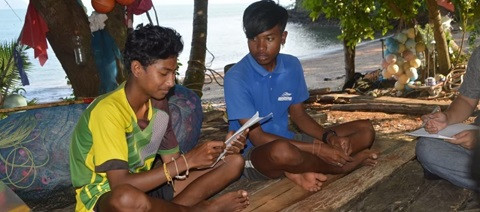 Minority language speakers risk being left behind due to lack of multilingualism in COVID-19 education response 19 February 2021 © Mahidol PMT project - Thailand The COVID-19 pandemic has only magnified the existing challenges in literacy and learning: Around 773 million young people and adults still lack basic literacy skills (UIS), and 40 % of the global population doesn’t have access to education in a language they speak or understand. On 21 February, the world will celebrate International Mother Language Day which will focus this year on “Fostering multilingualism for inclusion in education and society.” Ahead of the Day, we're discovering how UNESCO International Literacy Prizes winners are coping with and reflecting on their literacy programmes through mother language learning in the light of the pandemic, which has disrupted education around the world. In Thailand, minority language speakers at risk of being excluded from learning and accessing crucial information during the pandemic While multilingualism can advance inclusion and the Sustainable Development Goals’ focus on leaving no one behind, the opposite can prove to be a major struggle for learners and their parents during a pandemic. Especially minority groups are the most vulnerable in emergencies. Global research shows that children who were already disadvantaged have suffered the most from the pandemic school closures and thus the education gap between the have and have-nots has grown even bigger. “Emergency education materials are usually provided only in major national or international languages. This has proved to be a problem in many countries,” says Emeritus Professor Dr. Suwilai Premsrirat from the Research Institute for Languages and Cultures of Asia, Mahidol University in Thailand. She was in charge of implementing the Patani Malay-Thai Multilingual Education (PMT-MLE) Programme which received the UNESCO King Sejong Literacy Prize in 2016. The Jury for the UNESCO prize at that time was impressed by the fact that the team had created a Thai-based orthography to write Patani Malay, since it had formerly only been a spoken language. The UNESCO King Sejong Literacy Prize has contributed to advocacy efforts that have managed to convince the Thai government about how mother tongue-based multilingual education can help ethnic minority children’s learning. But when it comes to emergencies, maintaining multilingual approaches has not been easy. During the pandemic, learning was partly ensured by the government through TV classes. However, for ethnic minority groups, this was not always helpful: “For ethnic minority children in Thailand, the TV classes were a waste of time because they could understand very little of the language used. Many minority parents complained that they were unable to help their children’s distance learning because the Thai language used in emergency materials was too hard for the parents to understand,” says Dr. Premsrirat, also emphasizing the importance of involving the parents in maintaining their childrens’ learning and being able to understand the information. Rather than capitalizing on the one-size fits all solution, she encourages the use of mother tongue-based literacy learning in local communities with low-cost solutions such as e-books: a cheaper and faster produced medium than printed books, since mother tongue material can be written and translated from anywhere and reach people on their mobile phones. In Algeria, maintaining multilingual approaches in adult distance literacy learning is crucial for information sharing Another example of the importance of mother-language based education and literacy learning, as well as the use of information technologies during emergencies, is from the National Strategy for Multilingual Literacy by the National Office of Literacy and Education for Adults in Algeria, who won the UNESCO King Sejong Literacy Prize in 2019. The programme provides literacy courses for adults in two Algerian official languages, Tamazight and Arabic, emphasizing the importance of literacy learning in the mother language. Mr. Kamel Kherbouche, Director of the National Office of Literacy and Education for Adults (ONEA), emphasizes the importance of a multilingual approach to learning and particularly literacy learning:“From our point of view, it is wise to take a bilingual literacy approach, ensuring that the first contact with the written word is in the mother tongue, to inhibit fears of failure and increase the participation rates. However, it is equally important to become literate in the official language(s) of work and communication(s) of the country, to allow inclusion and access to the labor market and hence, to economic and social empowerment.” © National Office of Literacy and Education for Adults - Algeria Arabic and Tamazight, while both being national languages, some citizens are only literate in one of them. A multilingual approach to communication and information, therefore, is key to ensuring that all citizens receive vital messages and information, especially during the pandemic. “As for the fight against the spread of COVID-19, the use of the various official national languages of the country allows the message to be received and understood by everyone. We have also explored the status of Heads of households as to making them aware of the behavior to be taken into account in the face of COVID-19. We use them as a vehicle for transmitting information to other members of their families, neighbours and the immediate community.” Since the programme received international recognition through the UNESCO King Sejong Literacy Prize 2019, the organization and activities have received better visibility and a boost from the various stakeholders, which include Officials, literacy workers and partners. In Mr. Kherbouche’s words, the Prize breathed new life into the desire of strengthening the programme and tackling new projects such as education for sustainable development and preservation of the country's intangible heritage through the knowledge of learners, family literacy and Citizenship Education. “Beyond innovative practices, the large-scale dissemination of which would undoubtedly contribute to the promotion of literacy, what seems really important to us is to share the idea that literacy is not reduced to the teaching of reading, writing and arithmetic, but that it is an investment in human potential with the assurance of individual and collective impacts.” © National Office of Literacy and Education for Adults - Algeria Learn how other UNESCO awarded literacy programmes have coped with maintaining literacy learning during the pandemic here: Jordan and the Democratic Republic of the Congo and Colombia and Indonesia. The two UNESCO International Literacy Prizes are: The UNESCO King Sejong Literacy Prize, Established in 1989, with the support of the Government of the Republic of Korea, which gives special consideration to mother language-based literacy development and the UNESCO Confucius Prize for Literacy, established in 2005 with the support of the Government of the People’s Republic of China, which is dedicated to promoting literacy amongst adults in rural areas and out-of-school youth, particularly girls and women. More information: International Mother Language Day International Literacy Prizes What UNESCO does on literacy International Literacy Day URL:https://en.unesco.org/news/minority-language-speakers-risk-being-left-behind-due-lack-multilingualism-covid-19-education
 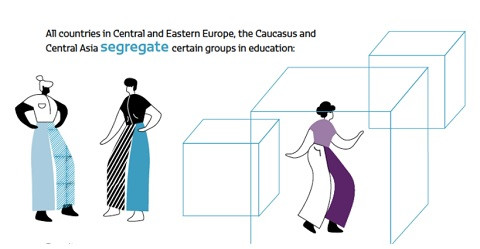 Inclusion in education in Central and Eastern Europe, the Caucasus and Central Asia 13 February 2021 A new regional Report launched today in an event by the GEM Report, in partnership with the European Agency for Special Needs and Inclusive Education and the Network of Education Policy Centers covers inclusion and education – the theme of our 2020 GEM Report – in Central and Eastern Europe, the Caucasus, and Central Asia. Working from 30 new profiles of education systems from the region, the Report shows that, while access to education is high, the region has been trying to overcome a heavy legacy of segregated education, which is holding it back from achieving inclusion for all. A shift towards a rights-based approach to inclusive education In the past 20 years, education levels in the region, already among the world’s highest, have increased further, seeing out-of-school rates fall by half. Adoption of the UN Convention on the Rights of Persons with Disabilities and the influence of international bodies, such as the Council of Europe and European Union, have led to important reforms. In countries including Poland, schools are also making their support systems broader and more flexible, investing in resource centres that share expertise and materials with mainstream schools on the way to inclusion. And there are signs of moves towards more inclusive and in-school support, with counselling and mentoring, learning assistance and specialist and therapist easier to come by. Analysis of country profiles, which are also accessible from the country pages of the PEER website, shows that two in three education systems have adopted a definition of inclusion that embraces marginalized groups beyond learners with special education needs or disabilities. Tajikistan’s inclusive education strategy addresses disability, ethnicity, migration and gender, for instance. From Estonia to Slovenia and from Armenia to Ukraine, countries have been moving away from the outmoded medical model in pedagogical discourse and thus improving identification of special education needs. But the shift to inclusion is far from complete. Many countries in the region have yet to shed one of the most poignant legacies of the second half of the 20th century: segregated education, once wrongly regarded as an efficient solution. Many children with disabilities are still placed in special schools. Even those no longer enrolled in such schools may be placed in other non-inclusive arrangements, such as special classes or home schooling. We found that support measures, at heart, may still follow the targeted and exclusionary approach that traditionally dominated. Even in countries with high levels of commitment to inclusion, such as Albania, implementation of laws and policies can lag due to capacity and resource gaps in school organization and teacher education. It can be due to resistance in the general population. In Uzbekistan, where the shift towards inclusive education is at a very early stage, a survey found that 70% of people believed children with disabilities should be in special schools.Other forms of segregation and discrimination persist. Roma children face the greatest discrimination in the region, often also disproportionally diagnosed with intellectual disabilities. Children from poorer households may also find education opportunities harder to come by. While 11% of 15-year-old students from the bottom 25% in terms of socio-economic status scored in the top 25% in reading in OECD countries, the share was below 8% in Bulgaria and Hungary, among the lowest levels in the world and less than half those in Estonia and Kazakhstan. Gender equality in education similarly has become a highly contested topic. In Belarus, the education code implies a traditional gender lens, and training guidelines reinforce gender stereotypes. The Turkish curriculum, reformed in 2016, barely mentions women’s rights. In addition, just 7 of 23 countries have policies or action plans explicitly addressing and prohibiting school bullying based on sexual orientation, gender identity and expression and/or variation in sex characteristics. Russian Federation law prohibits talking in school about the existence of lesbian, gay, bisexual, transgender and intersex people. COVID-19 has made the need for inclusive policies particularly urgent. Despite strong government education responses to COVID-19, many learners were left unassisted, as in all corners of the world. Access to online education was a challenge for the estimated 1 in 4 secondary school students in the region without a laptop and 1 in 10 without access to the internet. Globally, teachers have insufficient digital skills for the challenge. A study of about 1,000 primary school teachers in Poland found that 52% had difficulty using digital tools. The reality is that, as home environments and parental support have grown in significance during the remote learning period, those with a disadvantage are falling further behind. The need for stronger inclusive education policy is greater than ever. Countries must deploy a range of policies boosting inclusion. Inter-ministerial collaboration is well embedded in the region but needs strengthening regarding data exchange as in Lithuania, whose education, health and social ministries agreed to jointly develop measures to help children identified with autism or other developmental disabilities. Management responsibilities for local authorities and schools support efficient resource use but require clear mandates and adequate resources. Countries should use models that allocate funds based on use of support services, instead of student categories, to ensure sustainability and avoid strategic behaviour; the Czech Republic is switching to funding per staff member. Curricula and textbook development needs to adhere to inclusion principles as in Romania, whose curriculum has offered a comprehensive framing of Roma history since 2017. Students and parents need to be involved more; only the Republic of Moldova reported engaging students in curriculum design. Last but not least, teachers need more support to embrace diversity and be ready to teach all students. The ageing of the teaching force makes this need even more pressing. URL:https://gemreportunesco.wordpress.com/2021/02/12/inclusion-in-education-in-central-and-eastern-europe-the-caucasus-and-central-asia/