
News
Follow the newest trends and news in GCED.
1,676 Results found
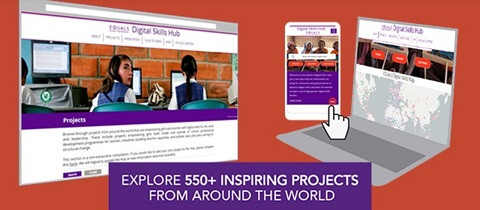 Launch of the EQUALS Digital Skills Hub for girls and women 15 September 2020 Worldwide, 2 billion women are offline. They are 4 times less likely than men to know how to use advanced digital technologies. In today’s society, women and men, girls and boys must have equal access to tech skills development and career opportunities. To face this challenge, the EQUALS Global Partnership for Gender Equality in the Digital Age has just launched the EQUALS Digital Skills Hub, a one-stop shop on projects, resources and good practices to advance digital skills for girls and women. The Hub was created by UNESCO, with the support of the Government of Germany, as a contribution to the EQUALS Global Partnership. On the Hub, you can explore inspiring case studies from around the world, discover the latest research and share information on your own projects. Explore the EQUALS Digital Skills Hub and join us in our efforts to close the gender digital skills divide. URL:https://en.unesco.org/news/launch-equals-digital-skills-hub-girls-and-women
  Call for Slogan Campaigns under the theme of Creating a Peaceful Society: Media and Information Literacy, A Way out 15 September 2020 This call for slogans is one of the series of activities under the regional commemoration of the Global Media and Information Week 2020 in the non-Sahel region of West Africa, organized by UNESCO Abuja Regional Office. Background The 2020 Global Media and Information Literacy (MIL) Week will take place on Oct. 24-31, 2020 under the theme “Creating a Peaceful Society: Media and Information Literacy, A Way out” for regional commemoration. This year’s theme highlights how to address disinformation and divides by recognizing our shared interest in improving everyone’s competencies to engage with the opportunities and risks in today’s landscape of communication, technology, and information. In line with the global commemoration, UNESCO Abuja Regional Office is organizing a series of activities on promoting MIL into a broader population as an effective tool for tackling disinformation in the non-Sahel region of West Africa, with a special focus on youth empowerment. One of the activities is this call for slogans for the regional commemoration of the 2020 Global MIL Week. The call will be launched at the end of September to get a wide range of population engaged on social media. Objectives The main objectives of this call for slogans include: To call upon youth to affirm their roles and determination against disinformation and take advantage of their innovation and creativity to gather broader alliance online for improving the media and information landscape in the region; To strategically campaign for the regional MIL challenges and increase visibility of the 2020 Global MIL Week; To diversify the interventions of promoting MIL, especially those youth-lead, creative and professional ones. Activity Phases This call for slogans for the regional commemoration of the 2020 Global MIL Week consists of two phases: Phase 1: The call will be launched through official communication channels of UNESCO Abuja Regional Office (websites and social media handles) and with support of partners in further dissemination at the middle of September. All the qualified entries will be reviewed and rated by a professional injury committee composed of communication and information experts. Phase 2: The five (5) winners will be announced during the webinar commemorating the Global MIL Week, which will provisionally take place at the last week of October. The winning slogans will be used in communication and visibility materials of the 2020 Global MIL Week. Tentative Schedule S/N Items Date (Year 2020) 1 Launch of the Call Sept. 14 2 Submission of Entries Sept. 14 – Oct. 18 3 Closure of the Call Oct. 18 4 Evaluation of Qualified Entries Oct. 19 – 23 5 Announcement of Winning Entries The Last Week of October How to Participate? – Guideline and Rules This call is open to all the residents in the non-Sahel region of West Africa (namely Benin Republic, Côte d'Ivoire, Ghana, Guinea, Liberia, Nigeria, Sierra Leone, and Togo) between September 14 and October 18, 2020. Women, girls and people living with disabilities are strongly encouraged to participate. The slogans, not more than 25 words, need to be aligned with this year’s theme of the Global MIL Week – “Creating a Peaceful Society: Media and Information Literacy, A Way out” for regional commemoration – as well as to reflect the determination for improvements of the current media and information landscape in the region. Steps for Participation Step 1: Carefully read the entry guideline and rules and smartly utilize various resources to have a foundational understanding of the media and information landscape in the region Step 2: Create a slogan, no more than 25 words, aligned with this year’s theme of the Global MIL Week Step 3: Post a selfie picture with the slogan embedded on one of your social media handles (Facebook, Twitter, and Instagram), using hashtags #UNESCOAbujaCall4Slogans and tagging at least five (5) other friends to enter this call Step 4: Pull more people around you to like, comment, and share your post as well as participate in the call Submission Deadline: 5 p.m., 18 October 2020, Sunday (Abuja Time/GMT+1) Important Basic Rules Entries can be English, French and Pidgin English; Entries from both individuals and collective groups are acceptable, but a collaborative group will be considered as one participant while reviewing and prizing; Entries within the framework of this call certify and warrant that his/her/their works do not violate the rights of a third party and/or any copyright. By submitting of their works, the participants authorize UNESCO to use their works for purpose of public information, including but not limited to publish the results of the call in the spoken, written, and/or electronic media – with the name(s) of the creator(s) – and to exhibit or publish any of the submitted works anywhere in the world. Evaluation Criteria (100 points in total): Compliance with guideline and rules of the call (10%); Relevance with the theme and reflection of the determination for improvements of the current media and information landscape (30%); Being concise, catchy, and memorable (25%); Innovation and creativity (20%); Social media interaction (the quantity of like, comment, & share) as of October 18 (15%). Arbitration By summiting of their works, the participants agree that the intellectual property of works is jointly owned by creators and UNESCO. UNESCO reserves the right in their absolute discretion to disqualify any entry or participant, or to waive any rules in the event of circumstance arising outside its control which in their opinion, make it desirable to cancel the call at any stage. On all matters, UNESCO’s decision shall be final. Contacts Macaulay Olushola: o.macaulay@unesco.org(link sends e-mail) Yachat Nuhu: ys.nuhu@unesco.org(link sends e-mail) Bin Chen: b.chen@unesco.org URL:https://en.unesco.org/news/call-slogan-campaigns-under-theme-creating-peaceful-society-media-and-information-literacy-way
  Call for applications: International Mother Language Award 2021 15 September 2020 The International Mother Language Institute, a UNESCO Category 2 Institute in Dhaka (Bangladesh) has launched a new international mother language award. The award will be granted in recognition of an outstanding contribution related to the protection and promotion, practice and research of mother languages in Bangladesh and throughout the world. The award will be conferred on the International Mother Language Day on 21 February 2021. Download the the call for applications and nominations and the guidelines of the 2021 edition of the International Mother Language Award. The deadline has been extended to 30 September 2020. URL:https://en.unesco.org/news/call-applications-international-mother-language-award-2021
  Literacy teaching and learning in the COVID-19 crisis and beyond at heart of the International Literacy Day 15 September 2020 “After six months of deep disruption, education stands on fragile ground everywhere. Without remedial measures, this crisis will magnify the educational failures that already existed before it”, said UNESCO Assistant Director-General for Education, Ms Stefania Giannini at the opening of the UNESCO global webinar held on International Literacy Day (ILD). The event brought together more than 500 participants, stakeholders and decision makers from around the world on 8 September 2020. The discussion focused on the theme of ILD 2020, ‘Literacy teaching and learning in the COVID-19 crisis and beyond: The role of educators and changing pedagogies’. The COVID-19 crisis revealed the unpreparedness of education systems, infrastructure, educators and learners for distance learning, and the fragility of adult literacy programmes. It hit hardest those who were already marginalized, including 773 million non-literate adults and young people – two-thirds of whom are women and 617 million children and adolescents who were failing to acquire basic reading and numeracy skills even before the crisis. “Adult literacy and education have been absent in many initial education responses of countries and of the international community. Even before the crisis, nearly 60% of governments spent less than 4% of education budgets on adult literacy and education,” said Ms Giannini. “In this time of crisis that has pushed societies to the limits, let’s make literacy a force for inclusion and resilience, to reimagine how we live, work, and learn for a more sustainable and just development path,” Ms Giannini said and officially opened the global meeting. Adult literacy educators are central for meaningful literacy teaching and learning Ms Olfat Abdulatif Al-Sorori from Yemen, one of the literacy educators who have been at the forefront coping with disrupted teaching and learning during the COVID-19 pandemic, gave a testimony:“I have been working as a volunteer in the field of literacy for years and it (COVID-19) has had a great impact on educators in literacy centers in many aspects, including financial and psychological. The material aspects and the economic life has stopped, thus the physical conditions of educators have gotten worse.” said Ms Al-Sorori. According to a survey conducted by UNESCO Beirut, nearly 70 % of participating programmes in the survey had to reduce or cut the salary of educators, the majority of whom are 20-45 years old and may seek for other sources of livelihoods. One of the key messages was that it is essential to promote the professionalization of literacy teachers, and guarantee the rights, status and decent working conditions of literacy teachers, while providing continuous professional development opportunities, support and guidance. A global landscape on literacy teaching and learning in the COVID-19 crisis and beyond During the first session moderated by Ms Mari Yasunaga, Programme Specialist, Section of Youth, Literacy and Skills Development at UNESCO, the impact of the COVID-19 crisis on youth and adult literacy was reflected from global, regional and country perspectives. Mr Borhene Chakroun, Director of the Division for Policies and Lifelong Learning Systems at UNESCO Education Sector provided a global picture, emphasizing the lack of policy attention to youth and adult literacy, calling for its integration into national lifelong learning policies, aid policies and the COVID-19 response and recovery plans. A UNESCO impact survey of the COVID-19 crisis on literacy programmes conducted in August revealed that more than 90% of 49 adult literacy programmes were either fully or partially suspended during lockdown. ”The goal today is to focus not only on schools but also on other learning programmes” said Mr Chakroun and presented some key findings from the background paper on youth and adult literacy in the times of COVID-19. He also highlighted the need to further monitor the impact of the COVID-19 crisis on youth and adult literacy for strategic responses, saying that “While there is data on school closures, we know much less about literacy programmes.” In anticipation of shrinking financing of education due to the crisis, which will affect millions of learners and the future state of literacy, Mr Chakroun stressed:“Society will not recover if there is no investment at all levels of education, including literacy in a lifelong learning perspective. Equity must remain an important aspect of access to education. We need to cater for the most disadvantaged.” Ms Rita Bissoonauth, Head of Mission, International Centre for Girls and women’s education in Africa, African Union (AU), said that the COVID-19 lockdown has left learners without access to learning. During the meeting of Ministers of Education, Science and Technology of the AU held in May 2020, all Ministers underlined the use of educational technologies such as television and radio to provide remote learning opportunities for girls, boys, young men and women during the lockdown. But these tools and platforms have not been accessible to many learners. She called for governments’ action to enhance distance learning, and shared an example of low-cost, solar-powered tablets loaded up with “a toolbox of digital books and learning resources to ‘off the grid’ classrooms with no internet and electricity.” She also emphasized the vulnerability of girls during the crisis:“Schools are safe spaces for girls. The girls were unprotected during the pandemic and thus exposed to abuse, child marriage and violence. Governments need to tailor equitable solutions to the impact of the pandemic for learners. Students have undergone anxiety and mental pressure during this pandemic.” She said that they had launched a campaign to ensure that girls go back to school and called on governments to provide affordable, reliable and accessible internet to all communities and financial support to the most affected families to ensure support and encourage girls and children to return to school when possible. Mr Mohammad Yasin Samim, Senior Technical and Policy Advisor for Literacy at the Ministry of Education, Afghanistan presented how Afghanistan is sustaining youth and adult literacy provision during the COVID-19 crisis, stressing the importance of political support. Before the crisis, the Afghan government started the implementation of a plan called ‘National mobilization for literacy’ under the leadership of the president and enhanced governance for adult literacy and non-formal education by establishing committees at the national, provincial, district village levels. After the outbreak of the pandemic, the government developed a comprehensive education response plan to ensure the learning continuity. He said that some measures deployed for distance learning had proven to be successful, including open space programmes which covered more than 40,000 adults. Since the provision of online lessons were difficult due to a lack of the necessary ICT infrastructure and capacities of educators and staff, Education radio and TV were used for distance learning. In order to reach people in rural areas, Mr Samin said that the government prepared specific guidelines for learners and officials at provincial and district levels to maintain adult literacy and family literacy courses. In addition to radio and television, WhatsApp groups were created to follow up on learners Reimagining literacy teaching and learning and the role of educators Moderated by Mr David Atchoarena, Director of the UNESCO Institute for Lifelong Learning, the second session explored how literacy teaching and learning can be inclusive and meaningful and how educators can be supported, from different perspectives. Mr Mafakha Touré, Expert in education from Senegal, shed light on the centrality of educators. According to him, it is thanks to educators and literacy facilitators that Senegal has been able to make significant progress in literacy. However, usually, adult literacy educators, whose profile is diverse, are poorly remunerated, in low status, and inadequately trained and supported. Often they have to teach with irrelevant curriculum and limited teaching materials. For policy attention, he emphasized the need to invest in educators and to take comprehensive approaches to educator management, attaching the same importance to formal and non-formal education. In Senegal, primary teacher training colleagues were replaced by a system for education personnel in 2010 to provide continuous versatile training for educators in both formal and non-formal education. This integrated approach was reinforced by a law adopted in 2014. “They (the facilitators) constitute the backbone of strengthening the education of those excluded from the school system but are also supporting their contribution to the development of their communities through their function as development facilitators, but they still face structural difficulties,” said Mr Touré. Digital technologies in adult literacy teaching Ms Judy Kalman, an expert in education and literacy from Mexico, made a presentation about how to harness the potential of digital technologies for literacy teaching and learning with educators. If connectivity is not an issue, technology can open up a lot of possibilities, she said. The crisis has shown that to ensure the continuity of meaningful adult literacy teaching and learning – during the COVID-19 crisis and beyond – there is a need to build robust education systems and ICT infrastructures, as well as digital skills for managing different modes of teaching and learning that are taking leaners’ needs, aspirations, circumstances and contexts into consideration. Ms Malman stressed: “Rather than putting technology in the center, it is important to put people in the center. In this way, the approach would shift from what the technology does to how we use it.” She highlighted the roles of educators in teaching literacy and in enabling learners to construct knowledge. Among other things, educators need a deep understanding of literacy, digital skills, and good understanding of how human construct knowledge in social contexts and how reading and learning is related to the process of knowledge construction. Cognitive neuroscience and adult literacy learning Mr Michael Thomas, Professor of Cognitive Neuroscience, Birkbeck, University of London and Director of the Centre for Educational Neuroscience from the United Kingdom, talked about educating the adult brain and how cognitive neuroscience of learning can improve literacy teaching and learning. He presented some findings from his recent research on adult literacy programmes in the developing world commissioned by the World Bank. “These (literacy) programmes are an important escape route from poverty, yet they are often ineffective. Is there a neuroscience reason; is the adult brain somehow less plastic,” he reflected. “Adults seem to be better learners in the classroom than children, but adults don’t consolidate skills as children, forgetting more between lessons, and they may need more practice to achieve automaticity, that is easy and effortless automatic reading,” said Mr Thomas. Adult lives are more complicated: Adults have jobs, are raising families and they have many competing demands on their time. One estimate is that it takes around 2000 hours to learn to read. If you attend an adult literacy programme, say two hours, three times a week for 6 months, one has only completed 10% of that. The other 90% is practice that must be completed at home, squeezed into busy lives. An important factor to this solution is motivation. Literacy needs to be made personally relevant to the individual, it needs to be a means to an end in their lives rather than a goal in itself. What new things can people do once they can read, is the question. Practice also needs to be supported by social networks of learners because peer support for learning is essential, emphasized Mr Thomas. Inclusive literacy teaching and learning On inclusive literacy teaching and learning, Ms Anita Dighe, an expert in literacy and education from India said that the civil society groups would have an important role to play in making literacy teaching inclusive for youth and adults in poor communities. Since literacy is part of a larger struggle for social, economic and political change, there was a need to link literacy learning with a broader vision of social transformation. Literacy learning could be a leverage to empower communities by the process being dialogical, as they could encourage processes of critical self-reflection, thinking, questioning, exploring, interacting, creating, connecting and discovering. She emphasized that such processes are directly linked to the notion of empowerment in which an individual learns to create, share knowledge, and new tools and techniques in order to change and improve the quality of his/her life. “These processes would need to be used for empowering communities so that learning communities can be established. The link between the local, the national and the global communities would need to be constantly made so that the local reality can be perceived and understood in the light of the changes taking place at the national and the international levels,” said Ms Dighe. Inclusive learning requires collaboration, sensitivity to cultures and languages, and the relevance to leaners’ realities, circumstances and contexts. She stressed the need for targeted policies to address changes for specific groups and to design programmes to ensure holistic learning, and to respond to women’s specific needs by establishing separate literacy learning groups for them. Literacy teaching for empowerment and freedom As an architect of the REFLECT (Regenerated Freirean Literacy through Empowering Community Techniques), Mr David Archer reflected on achievements of REFLECT approaches. Noting literacy as ‘a political process’ connected to contexts, he stressed that the learning should be relevant to leaners’ lives, and literacy development is part of broader processes towards liberation and transformation.Mr Archer also alerted to financial challenges due to the COVID-19 crisis which will restrain education budgets, in which adult education would be the first sacrificed. “The goal should not be to ‘return to before’ as there had been decades of underfunding for adult literacy. We need to see education as lifelong learning, and we must work closely with debt campaigners. We need strategic action on debt, debt justice, tax justice, pushback on IMF economic models that are holding down public sector workers. Increasing equity through education should be a major priority.Fundamental aspects are recognizing the transforming potential of education, so to increase equality in education we need to have equality in the budget planning. If one is serious about equity through education, adult learning must logically be prioritized,” said Mr Archer. Mr Atchoarena concluded the session saying that there are no short actions, but implementing inclusive and comprehensive lifelong policies which integrate adult literacy and long-term investments within the framework of SDG 4. Concluding with a call for investing in literacy teaching and learning in a lifelong perspective The meeting was closed by Mr Chakroun emphasizing three takeaways: that COVID-19 is a magnifier of pre-existing challenges for literacy learning throughout life, which include: the lack of quality of teaching; too few resources invested in adult literacy teaching and learning; and the lack of qualifications for literacy trainers to make them resilient in situations such as the COVID-19. There is a need to leverage new knowledge and evidence to support and improve literacy teaching and learning throughout life, and the lack of financial resources in economies will further aggravate the existing lack of resources in literacy if countries do not give special attention to the investment in adult literacy programmes. The second part of the webinar celebrated the five 2020 edition of International Literacy Prize winners from Nepal, United Kingdom, Ghana, Mexico and Yemen. Visual summary from the webinar on UNESCO International Literacy Prize winners Learn more about International Literacy Day (ILD) 2020 Read UNESCO’s press release for International Literacy Day Read UNESCO’s background paper for ILD ‘Youth and adult literacy in the time of COVID-19: Impacts and revelations’ Visit the website for UNESCO International Literacy Prizes URL:https://en.unesco.org/news/literacy-teaching-and-learning-covid-19-crisis-and-beyond-heart-international-literacy-day
  8 tracking tools on COVID-19 data for education 14 September 2020 Schools around the world have closed their doors to face-to-face instruction due to the coronavirus. More than 1.1 billion children and youth worldwide have been put out of school because of the pandemic. More complex are the effects of COVID-19 on the education systems of developing countries, many of which already grapple with providing education for all. At the onset of the pandemic, several organizations began collecting and publishing data on how the crisis would affect the delivery of public services, including education. In this blog, we present the different resources and tools that have been produced so far. The purpose of these tools is to provide education practitioners and policymakers a way to better track measures being taken by various countries in response to the pandemic. These tracking tools primarily focus on education sector data; however, a few others go beyond the scope of education and track other public service data. This type of data can be useful at: the global level – having up-to-date information on how governments are reacting to the pandemic is crucial to better understand the extent to which education systems are affected across countries. Timely data on school closures and policy responses can help the global education community drive policy and advocacy efforts, and can be used to conduct additional analysis and simulations on the potential effects of COVID-19 on schooling and learning, as well as the (possible) delay towards achieving SDG 4. the country level – it is crucial to have information and data on which countries are re-opening schools and how to best design context-appropriate education policy responses and reopening strategies. In short, seeing how others are proceeding and learning from different approaches during this crisis is helpful. Below is a selection of 8 regularly updated trackers that provide information on education and how governments are reacting to the pandemic. 1. UNESCO COVID-19 Impact on Education At the onset of the pandemic, UNESCO was the first organization to collect and publish data on school closures globally. Their dashboard provides details as to whether schools are closed or open nationally or locally. Using data from the UNESCO Institute of Statistics (UIS), the dashboard provides estimates for the number of children affected by school closures globally. At the country level, the dashboard provides sex-disaggregated information on number of students affected at each education cycle. 2. Insights for Education - Back to School Country Tracker The Back to School Tracker was created by the foundation Insights for Education. The tool documents the experiences of 183 countries worldwide as schools have begun to reopen. The tracker includes a timeline on school closures and school reopening and puts it in perspective with the number of COVID-19 cases per million people. Interesting information can be found on the tracker, for example whether schools are reopening gradually or not, which grades return to school first, specific social distancing induced changes (double-shifts or reduced sized), other sanitary measures in the classrooms, and whether face masks are required. The data is updated regularly – and while the platform consolidates data from other organizations, the value added from this tool lies in the massive effort to synthesize information drawn from local media reports, social media and government announcements that gives a comparable view of how governments are reopening their schools. Finally, the portal provides analytical summaries of global and regional experiences to better understand challenges and opportunities, particularly in fragile or low-income settings. 3. Center for Global Development (CGD) COVID-19 Education Policy Tracking The CGD tracker is a database of country education responses to the COVID-19 crisis. The tool provides information on each country’s policy response and reopening plans, as they emerge. While the tracker is not as comprehensive as others, interesting details include the extent of teacher unions’ involvement in reopening, whether reopening is mandatory, or whether there are plans in place for closing again if COVID-19 spikes occur. 4. IIEP Repository of National Education Response Strategies to COVID-19 or decades, the UNESCO International Institute for Educational Planning (IIEP) has been supporting education ministries in educational policy development and education sector planning. On Planipolis, we can find a repository of national education strategies, including those related to COVID-19. The platform includes more than 100 national COVID-19 response plans, which outline a series of practicable strategies to ensure that education systems respond appropriately to the pandemic. These documents can be helpful for governments and development partners to see how other countries are managing the crisis. 5. International Monetary Fund (IMF) Policy Responses to COVID-19 Tracker In its COVID-19 tracker, the IMF summarizes the key economic responses governments are taking to limit the human and economic impact of the COVID-19 pandemic. The tracker includes 196 economies and focuses on discretionary measures taken by countries in response to COVID-19, such as automatic insurance mechanisms and existing social safety nets. While it does not include much information on education, useful information can be found on government economic and budget responses, which have an impact on public education spending. 6. UNICEF: Situation tracking for COVID-19 socioeconomic impact UNICEF has recently launched a dashboard that monitors the impact on the disruption of essential social services, including on education. The dashboard draws on information collected by UNICEF country offices and provides information on the impact of COVID-19 crisis on different social sectors (child protection, health, nutrition, sanitation, education), and system responses. For education, the dashboard provides interesting information on how countries have implemented distance learning education schemes. 7. Global Education Cluster Dashboards The Global Education Cluster has developed several dashboards on COVID-19 to monitor the impact of COVID-19 on education, and the policy responses in 27 developing countries. Drawing from different sources, the dashboard on impact collates key figures to compare the situation before and after COVID-19. 8. WFP Global Monitoring of School Meals During COVID-19 School Closures This dashboard by the World Food Programme provides important information on the number of children missing out on school meals in different countries. In addition, it maps the ways governments supply food to children (directly or through mechanisms such as cash transfers) while schools remain closed. Finally, the International Development Research Centre (IDRC) and GPE, through GPE’s Knowledge and Innovation Exchange (KIX) will soon operationalize the Observatory on COVID-19 Responses in Educational Systems in Africa. Acting as an observatory of COVID-19 policy responses and emerging research, the project aims to provide policymakers in GPE partner countries in Africa with actionable evidence to inform their decisions about response, recovery and reopening of schools in the context of the pandemic. The objectives of the Observatory are to: collect and mobilize evidence on a focused set of education system issues that support continuity of learning, as well as negative consequences of school closures, particularly paying attention to gender, equity and inclusion aspects of those issues document education-related pandemic responses that successfully address gender equality needs and equity gaps among vulnerable groups, and use observatory evidence to inform future crisis preparedness and education system resilience. by Marc-Antoine Percier, Global Partnership for Education and Tongai Makoni, GPE Secretariat URL:https://www.globalpartnership.org/blog/8-tracking-tools-covid-19-data-education
  Intercultural dialogue during the pandemic: impact and response 12 September 2020 Whilst underscoring humanity’s interconnectedness and interdependency, COVID-19 has also led to a rise in discrimination, inequality, and vulnerability, putting pressure on the capacities of societies for intercultural understanding at a time where solidarity and cooperation are needed more than ever. Exploring these themes, a new UNESCO brief has been released examining both the impact of COVID-19 on intercultural relations and the creative responses undertaken to strengthen cross-cultural cooperation within this unprecedented context. Highlighting several core areas of impact which threaten intercultural understanding during the pandemic – from the rise of xenophobia and ethnocultural racism to increases in gender-based violence – the brief echoes various of the UN Secretary-General’s messages which underscore the need to address structural injustices in order to foster more effective and cohesive responses to, and recovery from, the crisis. It identifies the availability of online platforms as a key means through which governments, practitioners, and communities have managed to create effective solutions through which to continue intercultural learning and exchange during the crisis. Categorizing the responses into four key areas – from the use of innovative artistic mediums to promote intercultural learning, to anti-racist activism through social media – the brief highlights the dynamic and creative good practices that have emerged through necessity during the crisis. Looking ahead, the brief posits that the “emerging post-COVID-19 world will be shaped by new dynamics and complex realities immersed in virtual inter-connectivity and driven by cross-sectoral engagements. To this end, the intercultural dialogue agenda will have a significant role to play in developing a new socio-cultural compact that will contribute to shaping the way we live, work, connect and engage across national, ethnic, and civilizational lines.” To this end, recommendations to policy-makers and practitioners are suggested to both maintain intercultural exchange during the crisis, and respond to the lessons of the pandemic, including strengthening human rights protections (as a fundamental foundation of intercultural exchange), bolstering structures to support civic exchange, and deliberation, and addressing social inequalities that can fuel discrimination and marginalisation. Read the full brief More on Intercultural dialogue Contact: interculturaldialogue@unesco.org URL:https://en.unesco.org/news/intercultural-dialogue-during-pandemic-impact-and-response
  COVID-19: intercultural dialogue is essential for building back better 11 September 2020 With 825 million learners out of school, 340 million jobs at risk, and up to 100 million additional people projected to enter extreme poverty, the COVID-19 crisis has exposed and exacerbated vulnerabilities, fragilities, and inequalities in a manner unprecedented in recent history. Evolving on top of an already mounting crisis of civic trust, and a low ebb of commitment to multilateralism, the pandemic represents a unique threat to social peace, working against the very solidarity and cohesion that is needed to find equitable solutions in the current moment. This was the message conveyed by Gabriela Ramos, UNESCO Assistant Director-General for the Social and Human Sciences at the High-Level Forum on a Culture of Peace, convened by the President of the UN General-Assembly on 10 September 2020. The pandemic has demonstrated the fragility of our world. But it has also confirmed that among our growing diversity, we remain fundamentally interconnected and unavoidably interdependent. (...) The need for a culture of peace, the need for UNESCO, is more pronounced today than ever before. Peace is as an essential enabler, and an ultimate outcome of a fairer, sustainable world.-- Gabriela Ramos, UNESCO Assistant Director-General for the Social and Human Sciences Opening the Forum with the President of the UN General-Assembly and the UN Secretary-General, the Assistant Director-General underscored the important role that intercultural dialogue must play in forging the trust and cooperation to tackle major risks – from structural inequalities to systemic discrimination – that both represent our greatest shared challenges, and have played a major role in worsening the effects of the pandemic. Addressing representatives of UN Member States, she called for an urgent international effort to strengthen the effectiveness of actions to promote a culture of peace and intercultural dialogue, emphasizing that better evidence, stronger coherence, and bolder commitments are needed to address the mounting material hardships and growing social injustices that challenge sustainable peace. More on Intercultural Dialogue Read also: Intercultural dialogue during the pandemic: impact and response URL:https://en.unesco.org/news/covid-19-intercultural-dialogue-essential-building-back-better
 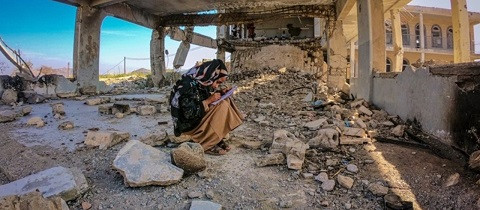 The first International Day to Protect Education from Attack 11 September 2020 On 9 September, the world observed the first International Day to Protect Education from Attack that was proclaimed by the United Nations General Assembly last May. Global leaders and celebrities from all walks of life stepped up support for actions against attacks on education during the commemorative high-level virtual event organized by the State of Qatar, UNESCO, UNICEF and Education Above All Foundation. "It is quicker to destroy a school than to build one” Held amidst the COVID-19 pandemic that led to a historic disruption of education with 1.6 billion learners affected, the observance highlighted the plight of children and youth in under-resourced communities and in conflict zones as well as the exacerbation of structural inequalities in and beyond education. World celebrities, government officials, and youth championed the cause of safe schools for children and youth, as they raised their voices to amplify the importance of access to quality education for all girls and boys in humanitarian emergencies. They stressed that schools are essential in providing life-saving safe spaces, psychological and other support services as well as skills development. Kicking off the gathering, Sheikha Moza bint Nasser, UN Sustainable Development Goals Advocate, made a powerful call to world leaders to take’ real steps toward change’ as she stressed that ‘it is quicker to destroy a school than to build one”. She further reiterated that ‘protection of education must be reflected and embodied by action on the ground’ through ‘effective mechanisms that will enable us to end impunity for perpetrators of attacks”. Stressing that ‘protecting the lives, education and future of children is a responsibility that the international commute cannot afford to ignore”, she concluded that ‘in these times, our humanity is tested’. Endorsing the call to strengthen the protection of education worldwide, UN Secretary-General António Guterres, expressed serious concern as attacks on education have been on the rise with ‘some 11,000 reported incidents” in the past four years. He urged Member States to honour their commitments under existing international agreements that prohibit attacks on the right to education. Drawing attention to the endorsement and implementation of the Safe Schools Declaration, he welcomed efforts t to ensure the provision of education for all, even in times of conflict, and particularly for the most vulnerable. “We must use the recovery from the COVID-19 pandemic as an opportunity to build a better world. As we work to achieve the Sustainable Development Goals over the coming decade, we must ensure no one is left behind”, urged the UN chief. UNESCO has been at the forefront of the global efforts to address the historic disruption of education due to COVID 19 pandemic, in particular with the creation of the Global Education Coalition. Ms Stefania Gianinni, UNESCO Assistant Director-General, reiterated the Organization’s firm commitment to ‘build wholesome and resilient education systems’ including through the use of ‘technology as a viable and robust solution to ensure continuity of learning when learners cannot access education in schools’. She mentioned the support to Ministries of Education “to set up distance learning solutions leveraging hi-tech, low-tech and no-tech approaches’ and in ‘developing policies to prevent and address the impact of COVID-19 on education in crisis and conflict settings’. Finally, she urged all actors ‘to strengthen education financing and remain united in the quest to protect education from attack’. The education champion, H.E. Mr. Tijjani Muhammad Bande, President of the 74th Session of the General Assembly, underscored that equal access to quality education has been the overarching priority of the 74th session of the General Assembly. “In adopting resolution 74/275 to establish the International Day to Protect Education from Attack, the entire membership of the General Assembly upheld the values underpinning the Charter of the United Nations while working remotely to mitigate the spread of COVID-19”, said Mr. Bande. He called on all Member States who have not already done so, to endorse the Safe Schools Declaration. “We must provide flexible and accelerated funding to ensure continuity of education. Let this inaugural International Day to Protect Education from Attack be the catalyst for progress as we strive together to deliver for all”, Mr. Bande concluded. Reaffirming Belgium’s commitment to protecting education from attack, H.E. Mr. Philippe Goffin, Minister of Foreign Affairs and of Defense of the Kingdom of Belgium, underscored that the fight against impunity is a cornerstone of Belgium’s foreign policy and that the Belgian presidency of the United Nations Security Council Working Group on the Children and Armed Conflict is fully in line with this commitment. He also expressed full support to the presidential statement that Niger will present at the open videoconference debate on “attacks against schools: a grave violation of children’s rights” at the Security Council on 10 September. “Resolute action and sustained political pressured are indispensable. Belgium remains committed”, asserted Mr. Goffin. Ms. Henrietta H. Fore, Executive Director of UNICEF, highlighted multiple initiatives that UNICEF has sponsored to provide mental, sanitation and hygiene support to children affected by armed conflicts and urged all countries to step up distance learning through programs like GIGA and Generation Unlimited to ensure education opportunities delivered to all children. Joining the observance of the first international day prominent education advocates from Member States, UN agencies, the private sector and creative industries added their meaningful voice to #UniteToProtect campaign. Those included H.E. Sheikh Hasina, Prime Minister of Bangladesh; Ms. Fatou Bensouda, Chief Prosecutor of International Criminal Court; Mr. Filippo Grandi, UN High Commissioner for Refugees; Ms. Michelle Bachelet, UN High Commissioner for Human Rights; Dr. Koumba Holy Barry, United Nations Special Rapporteur on the Right to Education; Mr. Kailash Satyarthi, Nobel Peace Prize Winner; Ms. Tawakkol Karman, Nobel Peace Prize Winner and Yemen Activist; world-renowned singer Shakira Mebarak, and last but not least, Mr. Forest Whitaker, UNESCO Special Envoy for Peace and United Nations SDG Advocate who alerted that “education cannot be taken for granted”. URL:https://en.unesco.org/news/first-international-day-protect-education-attack
 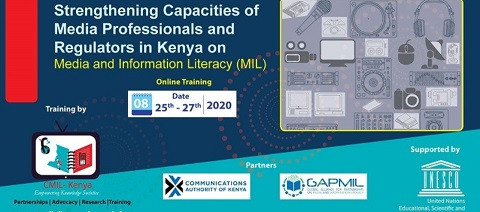 UNESCO Strengthens Capacities in Media and Information Literacy in Kenya 10 September 2020 UNESCO trained 60 media professionals, practitioners, and regulators on media and information literacy competencies in Kenya in an online workshop from 25 to 27 August 2020, which was facilitated by the Centre for Media and Information Literacy in Kenya (CMIL-Kenya) in partnership with Communications Authority of Kenya. The workshop aimed to empower participants with knowledge and competencies to create awareness on the need for development of national policies and strategies on media and information literacy relevant for the 21st century in Kenya. It also encouraged uptake of media and information literacy initiatives, actions, and policies within their organizations. In his keynote address during the virtual workshop, Mr. David Omwoyo, Chief Executive Officer of the Media Council of Kenya stated that media and information literacy (MIL) restores public interest back to the practice of journalism:“Media and Information Literacy enables the consumer to interrogate news and other information content. In a situation where there’s a free market of information, most of it sub-standard, MIL for journalists will help them set higher standards of the news they produce, thereby responding to public interest and ultimately restoring public trust in media.” Mr. Victor Bwire, Deputy CEO and Head of Strategy and Programmes at Media Council of Kenya noted that Media and Information Literacy (MIL) competences are an important skill set especially for practicing journalists in the wake of rampant misinformation and disinformation, adding that the Council is active in mainstreaming of MIL since 2013 through UNESCO support in the country: “Media regulations have changed over the years. In order not to stifle innovation opportunities brought about by technological advancement, regulation around the globe is shifting from legislation to self-regulation. Media and information literacy for journalists will go a long way towards the achievement of this regulation model.” Mr. Bwire further noted that Kenya is now embracing Media and Information Literacy initiatives, notably in media and education, and the development of a national MIL policy and strategy supported by UNESCO was at advanced stage. Mr. Peter Ikumilu, Director of Compliance at the Communications Authority of Kenya underscored the need for sustained stakeholder forums, capacity-building sessions, and collaborations to ingrain Media and Information Literacy in the Kenyan society. He noted that the Authority has rolled out a few Media and Information Literacy related initiatives with partners such as on child online safety and cyber-security:“The workshop was quite solid. The focus was on how MIL can make journalism more efficient and vice versa, and how media can empower and influence citizen journalism and help audiences move from passive media consumption to analysing, interrogating, and reflecting on content.” Ms Judie Kaberia a journalist and Chair of the Africa Check Foundation board in Kenya underscored the cardinal principles of journalism – verification, fact-checking and ownership of content – as relevant to the MIL training, which she said would help close the ranks between journalists and their audiences and help restore trust in legacy and new media. Mr. Anthony Mugo, Chairman of the Centre for Media and Information Literacy in Kenya emphasized that the workshop was relevant and beneficial in a situation where the Kenyan government is implementing a variety of cross-cutting initiatives that have a direct bearing to the lives of all citizens in the information age. He further indicated that the workshop has set state for formation of a Media and Information Literacy Consortium in Kenya to undertake further strategic engagements, awareness creation, and advocacy for mainstreaming of MIL in Kenya. Participants to the workshop were drawn from media organizations, communication and film regulatory bodies, government ministries, community media associations, universities, and the private sector working in media environment, among others. Enhancing Media and Information Literacy competencies among media professionals, practitioners, and regulators is a key action of UNESCO’s strategy to promote knowledge societies and foster the development of free, independent and pluralistic media and universal access to information and knowledge for good governance.-- Ms. Ann Therese Ndong-Jatta, Director of UNESCO Regional Office for Eastern Africa This activity was implemented within UNESCO’s thematic action of ensuring that pluralistic media institutions are facilitated, while citizens are empowered, through enhanced Media and Information Literacy (MIL) competencies for civic participation and engagement in Kenya. URL:https://en.unesco.org/news/unesco-strengthens-capacities-media-and-information-literacy-kenya
 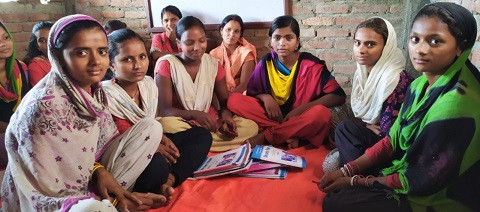 How UNESCO’s functional literacy class is empowering girls in Nepal 10 September 2020 I was so happy to be back in school. I want to continue studying up to bachelor’s level and become a nurse.-- Sushma Sushma still remembers the day she went back to school. The excitement she felt walking into a classroom and joining other girls to re-start her journey. Two years ago, Sushma had to drop out of school to handle the household chores when her mother fell ill. After attending the UNESCO-supported functional literacy class (FLC) she was able to join the Krishna Secondary School in Dewanganj Rural Municipality. The Joint Programme offered her a chance to catch up for the gap years but more importantly, it helped her realise the importance of education. ‘Earlier, after dropping out of school, I never thought of studying further,’ says Sushma. ‘But, the FLC made me realise the importance of education and I earned the courage to continue my studies.’ Sushma’s return to learning wasn’t so easy. Her family wanted her to get married instead of going to school. ‘I told my father, mother, elder brother, and uncle that I wasn’t old enough to get married,’ explains Sushma. ‘It wasn’t easy convincing them especially because we didn’t have the resources, but eventually they saw how determined I was.’ The facilitator of the Joint Programme’s FLC helped arrange her transition into the school. Sushma is among the 1,800 girls in Nepal who have participated in the Joint Programme’s functional literacy class organized by UNESCO. The programme works closely with local governments and community learning centers in five districts – Achham, Bajura, Rautahat, Sarlahi, and Sunsari – to provide literacy and numeracy education as well as life skills to adolescent girls and young women. The classes have helped change attitudes. Sushma says ‘I used to think that sons should be preferred to daughters, but now I have come to know that sons and daughters are equal. This helped me convince my parents to send me back to school.’ The Joint Programme has also integrated comprehensive sexuality education into these classes helping young girls to be aware of their sexual and reproductive health and rights and sensitizing them on harmful practices such as gender-based violence and child marriage. Not all girls in Nepal get this chance. While more than 95% of children in Nepal are in primary school many of them drop out with girls at higher risk than boys. Many factors lead to this. Poverty, accessibility to schools, gender norms, and child marriage are just a few on the list. As education is not seen as a priority for girls in many parts of the country they are most often asked to stay at home or taken out of school to support their families. Child marriage is still a common practice in both rural and urban areas. UNESCO, UNFPA and UN Women are working together through the Joint Programme for “Empowering Adolescent Girls and Young Women through the Provision of Comprehensive Sexuality Education and a Safe Learning Environment in Nepal” funded by KOICA to empower girls and young women through quality education. Most of the girls who participate in the literacy classes have never been to school or left school early with some from groups subject to caste-based discrimination further alienating them from any educational opportunity. Working closely with community learning centres and facilitators, to date, the Joint Programme has been able to reach about 1,800 adolescent girls and young women in 14 municipalities across 5 project districts. With the onset of the COVID-19 pandemic, many girls in rural Nepal have lost any opportunity to learn. Sushma is not an exception. She has also not been able to attend classes due to school closures. Distant learning options are farfetched choices in these areas where owning a mobile phone is a luxury. Sushma says her biggest fear is that she will never be able to return to school, an opportunity that was so hard to be come by in the first place. UNESCO is working closely with the government and the local community to ensure relevant support can be provided to those most in need. Together with the Ministry of Education, Science and Technology, and Nepal’s Association of Community Radio Broadcasters (ACORAB) it has led efforts to make radio lessons available across the country for secondary students. UNESCO is also planning to launch a community-radio-based campaign Keeping girls in the picture to ensure that #LearningNeverStops for every girl in Nepal. For more information: Empowering adolescent girls and young women through education UNESCO Gender Equality in Education *“Empowering Adolescent Girls and Young Women through the Provision of Comprehensive Sexuality Education and a Safe Learning Environment in Nepal” is a Joint Programme led together by UNESCO, UNFPA and UN Women with support from KOICA aiming to empower girls and young women through an integrated approach to education, health, and gender equality. URL:https://en.unesco.org/news/how-unescos-functional-literacy-class-empowering-girls-nepal