
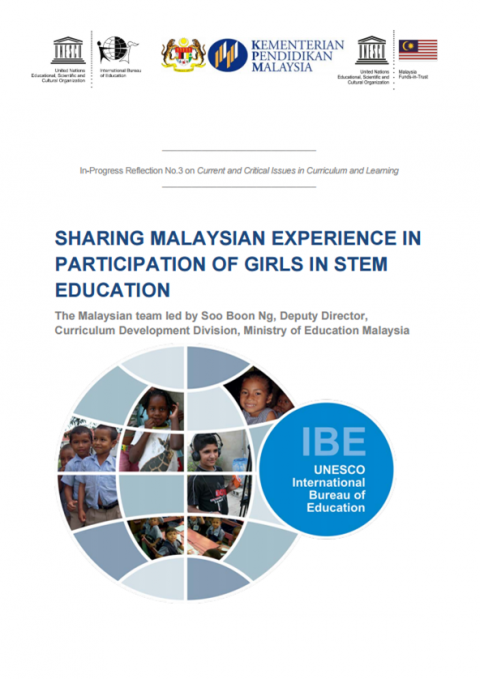
Sharing Malaysian experience in participation of girls in STEM education
- Corporate Author
- UNESCO International Bureau of Education (IBE)
- Collation
- 33p
- Resource Language
- English
- Year of publication
- 2016
- Topic
- Civic / Citizenship / DemocracyDiversity / Cultural literacy / InclusivenessHuman rightsGlobalisation and social justice / International understandingSustainable development / SustainabilityTransformative initiatives / Transformative pedagogies
- Resource Type
- Research papers / journal articles
- Level of education
- Secondary educationHigher education
- Region
- Asia and the Pacific
- Place of publication
- Geneva
- eBook URL
- [E-BOOK]
The Malaysia government has placed STEM as a focus in developing the country towards achieving the status of a developed nation. The government acknowledges the role of women as equal partners in nation building. Thus, various policies ranging from economy, education, women’s welfare and human resources have been formulated through the years. These policies have resulted in among others, the increase in women researchers from 35.8% in 2004 to 49.9% in 2012 as well as more women’s participation in selected STEM courses at the tertiary level. A total of 84 girls’ day schools with 6 of them as residential STEM Girls’ schools have been built since 1939. There are many female role models in STEM for the girls to emulate. This has been made possible by the successful implementation of the various policies related to women in STEM as well as innovative measures in facing the continuing challenges in STEM education.
Related Resources
-
 Study on the Historical Impact of the 1974 Recommendation concerning Education for International Understanding, Cooperation and Peace and Education relating to Human Rights and Fundamental Freedoms
 -
 IIEP-UNESCO 12th Medium-Term Strategy: 2026–2029
 -
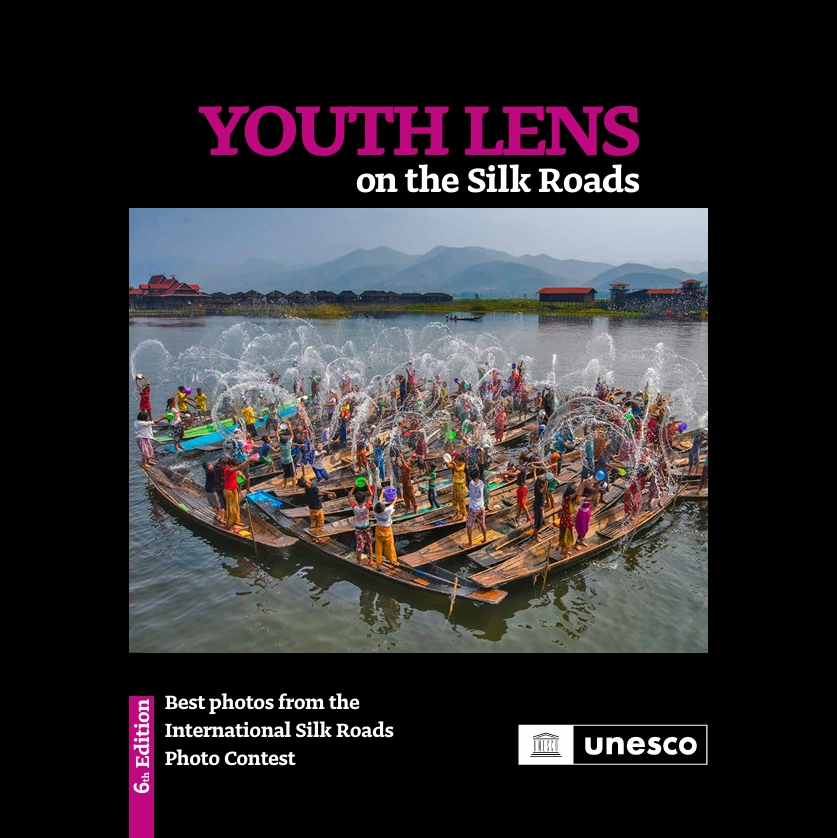 Youth Lens on the Silk Roads: Best Photos from the International Silk Roads Photo Contest; 6th Edition
 -
 More than Welcome: Intercultural Integration of Migrants in and Through Higher Education