
Resources
Explore a wide range of valuable resources on GCED to deepen your understanding and enhance your research, advocacy, teaching, and learning.
8,363 Results found
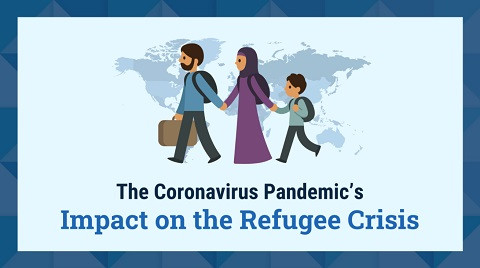 The Coronavirus Pandemic and the Refugee Crisis Year of publication: 2020 Author: Alice Corner Corporate author: Venngage Inc. One group of people most impacted by the Coronavirus Pandemic is the world’s population of refugees and displaced people. There are approximately 25 million refugees in the world, facing unique struggles in access to healthcare, government assistance, and sanitation. Venngage analyzed the data and created this collection of infographics to help paint a fuller picture of COVID-19’s impact on the refugee crisis. This resource includes clear infographics detailing how the conronavirus crisis and refugee crisis relate to each other globally
 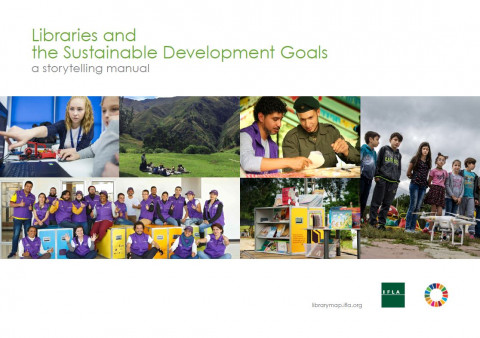 Libraries and the Sustainable Development Goals: A Storytelling Manual Year of publication: 2018 Corporate author: International Federation of Library Associations and Institutions (IFLA) The Libraries and the Sustainable Development Goals (SDGs) – a storytelling manual is a guide for librarians and library advocates to support you in your advocacy efforts. The Library Map of the World (LMW) team have compiled some tips and useful information to help you write compelling stories about your library activities, projects and programmes, and their impact on communities. Consequently, we would like to share your story about your library’s contribution to the SDGs through the LMW website.International Federation of Library Associations and Institutions’s (IFLA) Library Map of the World (LMW) provides you with a unique digital space to share the story of your library’s activities, projects, and programmes as well as their impact on your community, and how that contributes to the United Nations (UN) Sustainable Development Goals (SDGs) . By sharing your story, you are engaging and empowering libraries all over the world.
 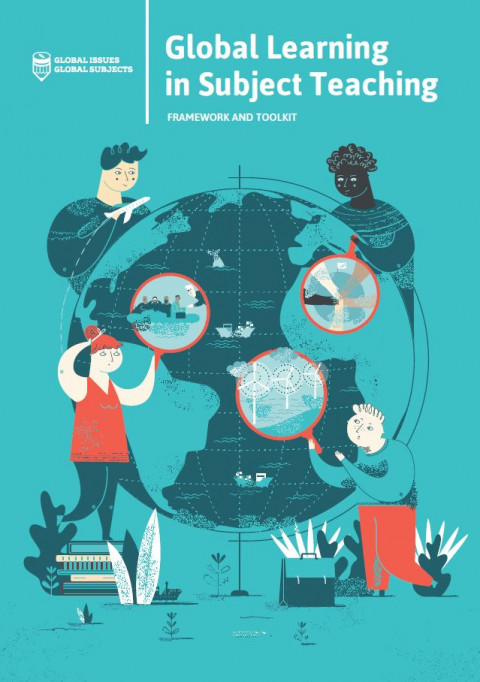 Global Learning in Subject Teaching: Framework and Toolkit Year of publication: 2020 Corporate author: Center for Citizenship Education (CCE) | Global Issues, Global Subjects (GIGS) The brochure 'Global Learning in Subject Teaching: Framework and Toolkit' has been developed as a proposal for teachers, educators and educational institutions on how to reach pupils with Global Learning. In its practical part, the brochure provides the reader with a toolkit of 20 ready-to-use lesson plans for subject lessons where the subject curriculum topics are linked with global issues such as migration, climate change and gender equality.
 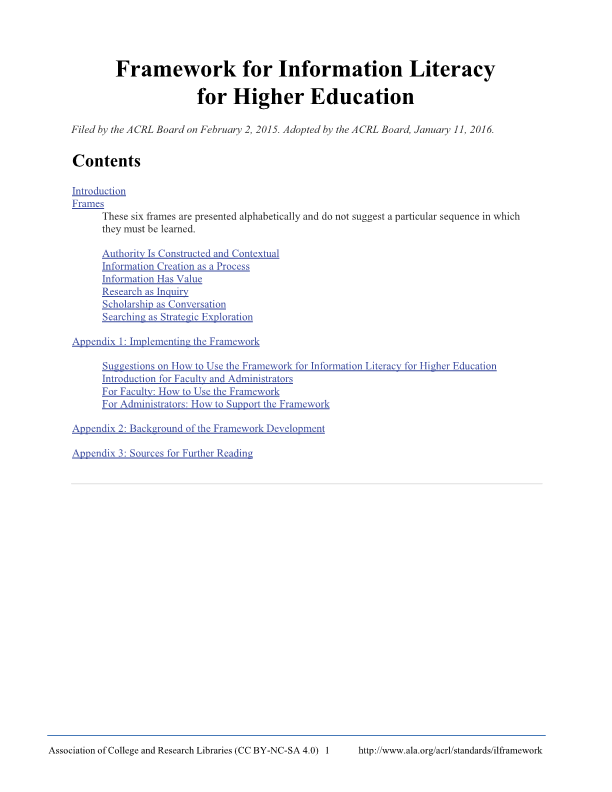 Framework for Information Literacy for Higher Education Year of publication: 2015 Corporate author: Association of College and Research Libraries (ACRL) Information literacy is the set of integrated abilities encompassing the reflective discovery of information, the understanding of how information is produced and valued, and the use of information in creating new knowledge and participating ethically in communities of learning. This Framework sets forth these information literacy concepts and describes how librarians as information professionals can facilitate the development of information literacy by postsecondary students.
 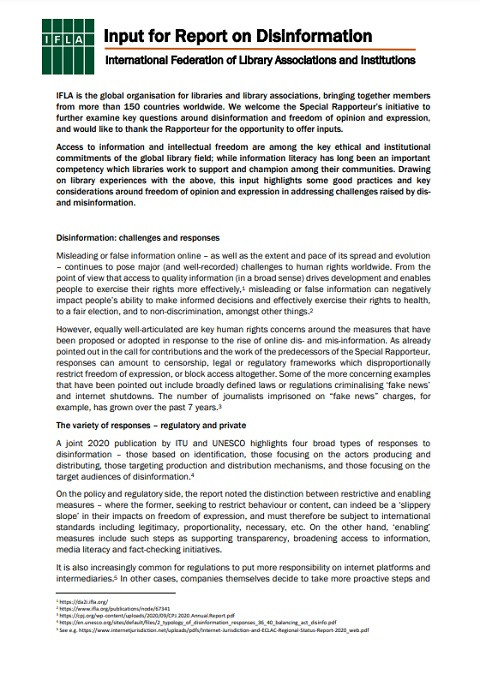 Input for Report on Disinformation Year of publication: 2021 Corporate author: International Federation of Library Associations and Institutions (IFLA) IFLA responded to a call for inputs about human rights impacts of measures against disinformation, issued by the United Nations Special Rapporteur on the promotion and protection of the right to freedom of opinion and expression. Concerns over – and dialogue about ways to address – the negative impacts of false and misleading information online have remained high on the agenda over the past months, particularly in light of prominent examples of health and electoral dis- and mis-information.Disinformation, uniquely challenging in the increasingly dense and complex digital information environment, interferes with individuals’ ability to make informed decisions and realise their essential human rights. However, the new call for inputs by the UN Special Rapporteur also draws attention to the concerns about human rights impacts of measures which different stakeholders – from states to online platforms, human rights organisations and others – take to combat disinformation.These include, of course, the impacts of broadly- or vaguely-defined “fake news” laws on freedom of expression and opinion; or internet shutdowns that bear a heavy cost on people’s access to information as a driver of development and rights.In light of this, IFLA’s submission highlights the potential of media and information literacy interventions to help address the challenges of mis- and dis-information. Drawing on the global library field’s experiences, it points to some possible good practices and insights from the ongoing work and research in this field – from targeted and tailored outreach initiatives that can help reach those who are not currently in formal education, to scalability and replicability of interventions.Of course, this is an emerging field. Our understanding of how media and information literacy interventions can be effectively leveraged against disinformation, pitfalls to avoid and ways to maximise impact, continues to evolve. That’s why the submission emphasises the need for more research and cross-stakeholder collaboration – and libraries can and do offer valuable practical and theoretical insights for this ongoing discussion.
  A Journey to Media Literacy Year of publication: 2013 Author: Paolo Celot | Susie Jones Corporate author: European Association for Viewers Interests (ENVI) “A Journey to Media Literacy” is EAVI’s seven minute cartoon, designed to explain, in a fun and simple way, what Media Literacy is all about and why it is essential in order to live freely and participate fully in society. It was born thanks to a suggestion by Paolo's 3 kids, who being unable to understand what their father did at work, came up with the idea of making an adventure cartoon to explain ML.
  Global Media and Information Literacy Assessment Framework: Country Readiness and Competencies Year of publication: 2013 Corporate author: UNESCO The MIL Assessment Framework can foster lifelong learning initiatives by building on the relationship between information, media, digital, and ICT literacies, along with societal transformations, education, workforce, policy and decision making processes, economic growth and democracy. The overall goal of the publication is to guide UNESCO’s Member States throughout the assessment of country readiness and competencies regarding the media and information literacy of citizens, in particular teachers in service and in training. The document is particularly aimed at the following stakeholders: policy makers and decision makers; national officers responsible for statistical data collection and analysis; educational policy makers and planners working in formal and informal education settings; teacher training institutions and teachers. It is also of relevance to the professional information and communication community, and has wide applicability for civil society at large.
  Building Healthy Relationships With Media: A Parent’s Guide to Media Literacy Year of publication: 2020 Corporate author: National Association for Media Literacy Education (NAMLE) | Trend Micro This guide gives a few examples of how to incorporate questions into the conversation when discussing media and related topics with your children. It is vital for parents to model curiosity and skepticism in their discussions with their children. Teaching the next generation to be critical thinkers allows them to hone this important skill for navigating life in a digital world.
 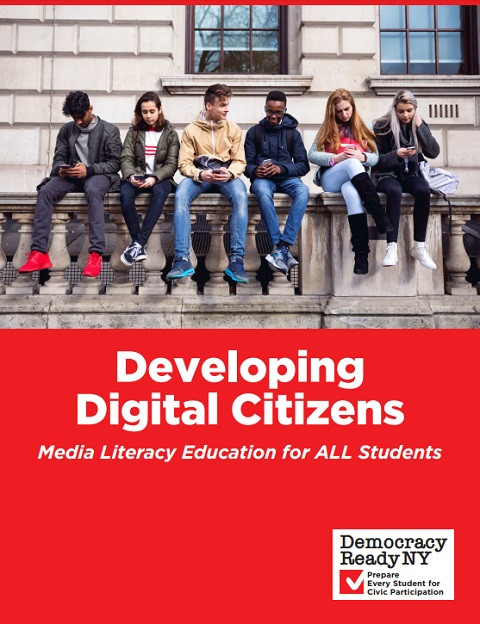 Developing Digital Citizens: Media Literacy Education for All Students Year of publication: 2020 Author: Jessica R. Wolff | Ann LoBue | Michael A. Rebell Corporate author: DemocracyReady NY Developing Digital Citizens: Media Literacy Education for All Students, a new report from DemocracyReady NY, calls for immediate and decisive steps to require media literacy education in schools throughout New York State. Stressing that “the internet has become the new public square,” it asserts that “to be democracy ready, all students must be media literate.”. The report defines what media literacy encompasses in an increasingly digital age, and establishes a clear framework to ensure that all students become media literate civic participants. This report includes recommendations for:Clear state standards for media literacy educationQualified personnel for teaching media literacySuitable MLE curricula and course offeringsUp-to-date facilities, instructional materials, and technologyTransparent monitoring and reporting of MLE resources and results.
  What is Media Literacy? Year of publication: 2017 Corporate author: Media Literacy Now Intended as a tool for advocates, the video introduces the concept of media literacy as a key that unlocks meaning behind the messages that we see, and allows us to be more thoughtful and deliberate as we create our own messages such as those we create and share on social media.