
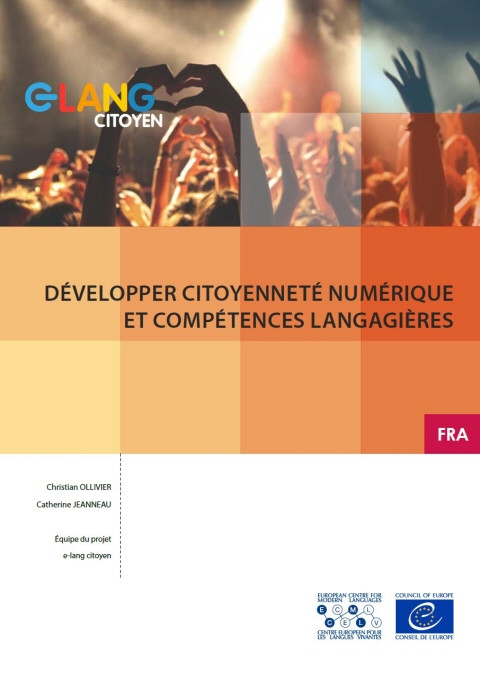
Developing Digital Citizenship and Language Competences
- ISBN
- ISBN 978-92-871-9317-9 (eng); ISBN 978-92-871-9318-6 (fre)
- 형태사항
- 89 p.
- 원래 언어
- 프랑스어영어
- 발행 연도
- 2023
- 키워드
- Social mediaDigital platformsInternetNationalityAccess to informationInternet universalityCivic educationCivil and political rightsMédias sociauxPlateforme numériqueCitoyennetéAccès à l'informationUniversalité de l’internetInstruction civiqueDroits civiques et politiques
The profile of citizens who use languages and digital tools helps to define the objectives to pursue in language training that incorporates digital citizenship education. The Didactic Framework outlines a socio-interactional approach that enables this integration.
관련 자료
-
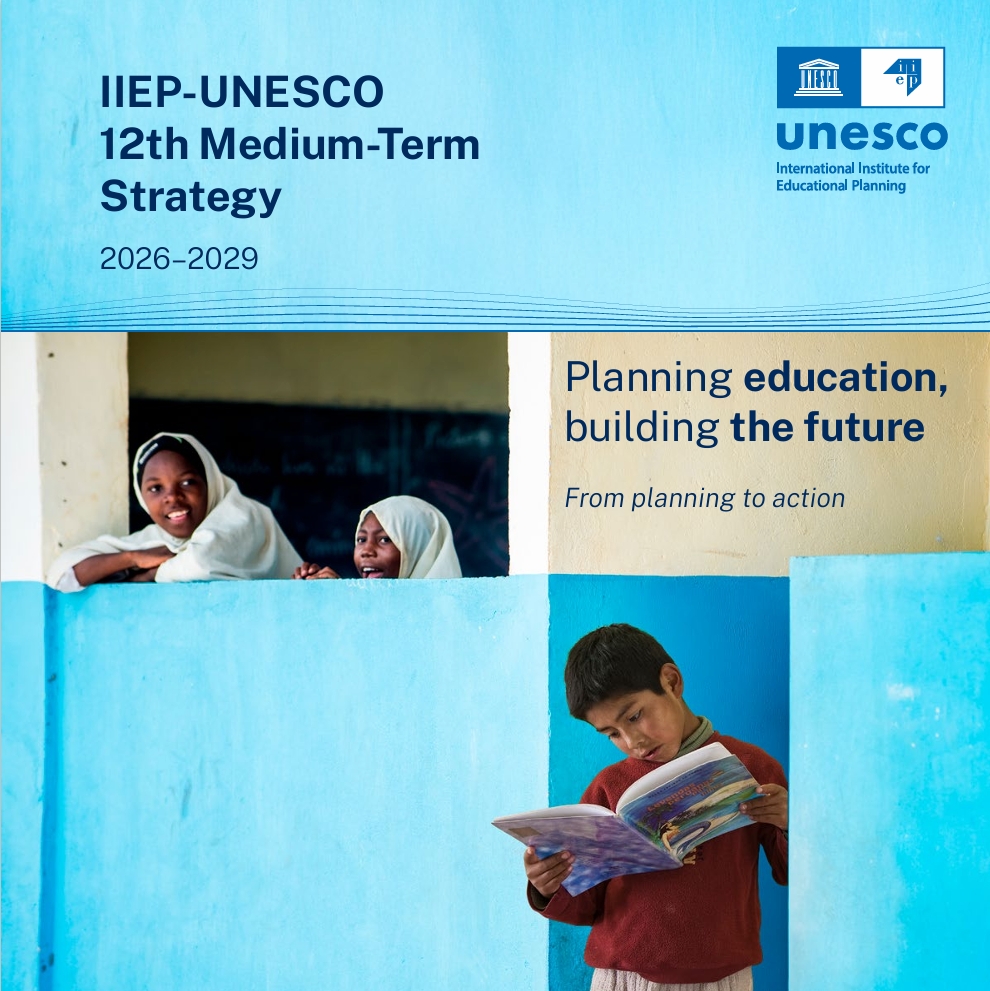 IIEP-UNESCO 12th Medium-Term Strategy: 2026–2029
 -
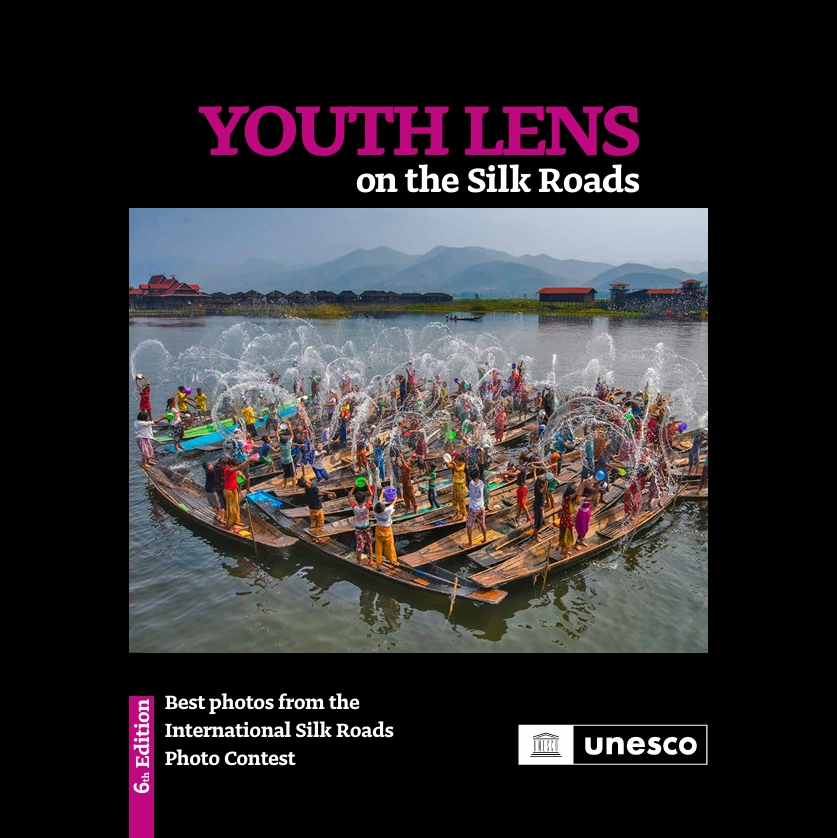 Youth Lens on the Silk Roads: Best Photos from the International Silk Roads Photo Contest; 6th Edition
 -
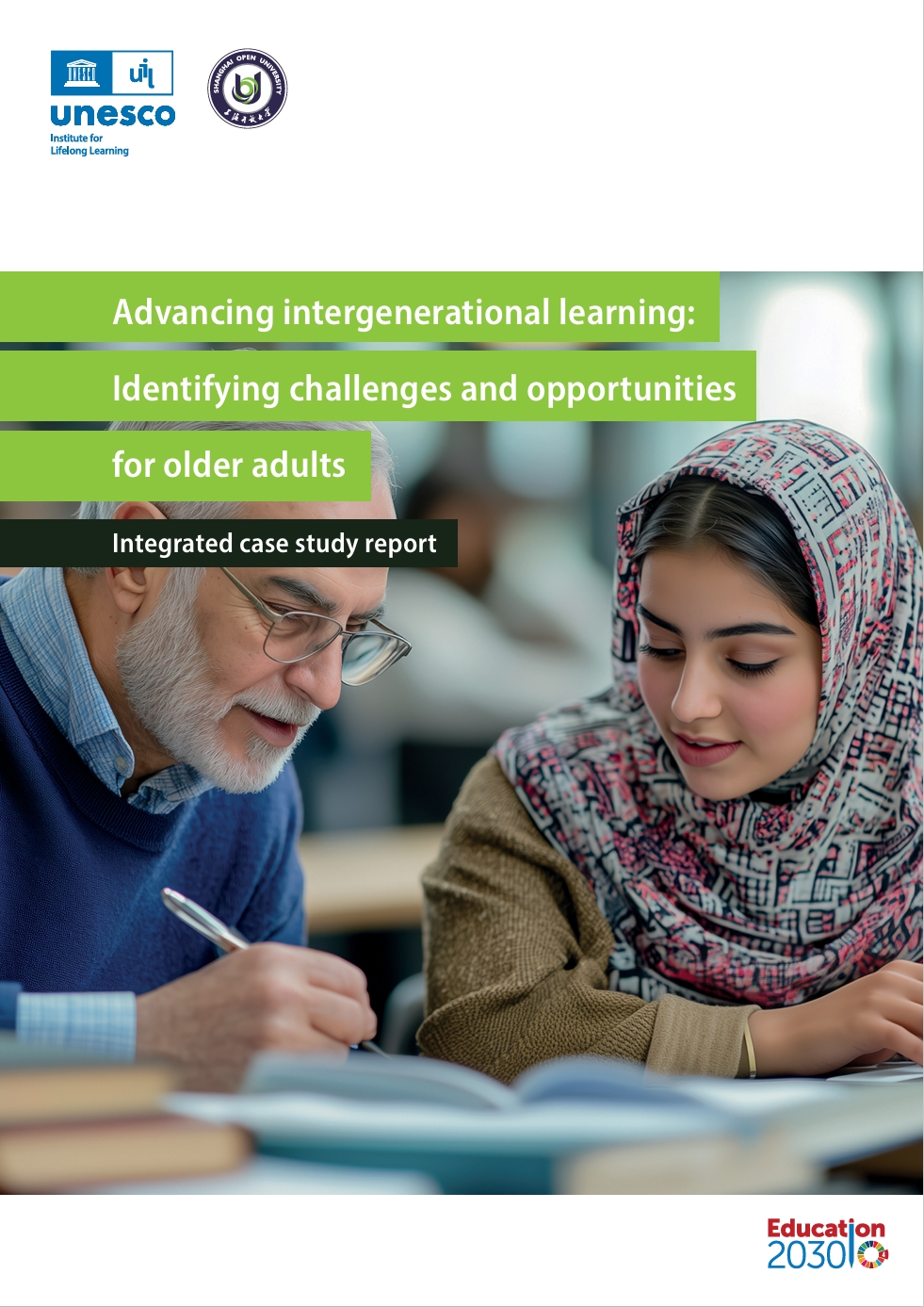 Advancing Intergenerational Learning: Identifying Challenges and Opportunities for Older Adults; Integrated Case Study Report
 -
 Digital Empowerment for Lifelong Learning and Transformative Andragogy (DELTA) for Adult Educators: Introduction to the DELTA Framework and Resources