
Developing Digital Citizenship and Language Competences
- المؤلف المؤسسي
- European Centre for Modern Languages (ECML)
- ISBN
- ISBN 978-92-871-9317-9 (eng); ISBN 978-92-871-9318-6 (fre)
- الترتيب
- 89 p.
- لغة المورد
- الفرنسيةالإنجليزية
- سنة النشر
- 2023
- الكلمة المفتاحية
- Social mediaDigital platformsInternetNationalityAccess to informationInternet universalityCivic educationCivil and political rightsMédias sociauxPlateforme numériqueCitoyennetéAccès à l'informationUniversalité de l’internetInstruction civiqueDroits civiques et politiques
- الموضوعات
- المدنية / المواطنة / الديمقراطيةالتنوع / محو الأمية الثقافية / الشموليةمحو الأمية الإعلامية والمعلوماتية / المواطنة الرقميةالمبادرات التحويلية / الأساليب التربوية التحويلية
- أنواع الموارد
- مواد الوسائط المتعددة
- مستوى التعليم
- التعليم الثانويالتعليم العاليالتعلم مدى الحياةالتعليم والتدريب التقني والمهنيالتعليم غير الرسمي
- المناطق
- أوربا وأمريكا الشمالية
- مكان النشر
- Graz
The profile of citizens who use languages and digital tools helps to define the objectives to pursue in language training that incorporates digital citizenship education. The Didactic Framework outlines a socio-interactional approach that enables this integration.
موارد ذات صلة
-
 IIEP-UNESCO 12th Medium-Term Strategy: 2026–2029
 -
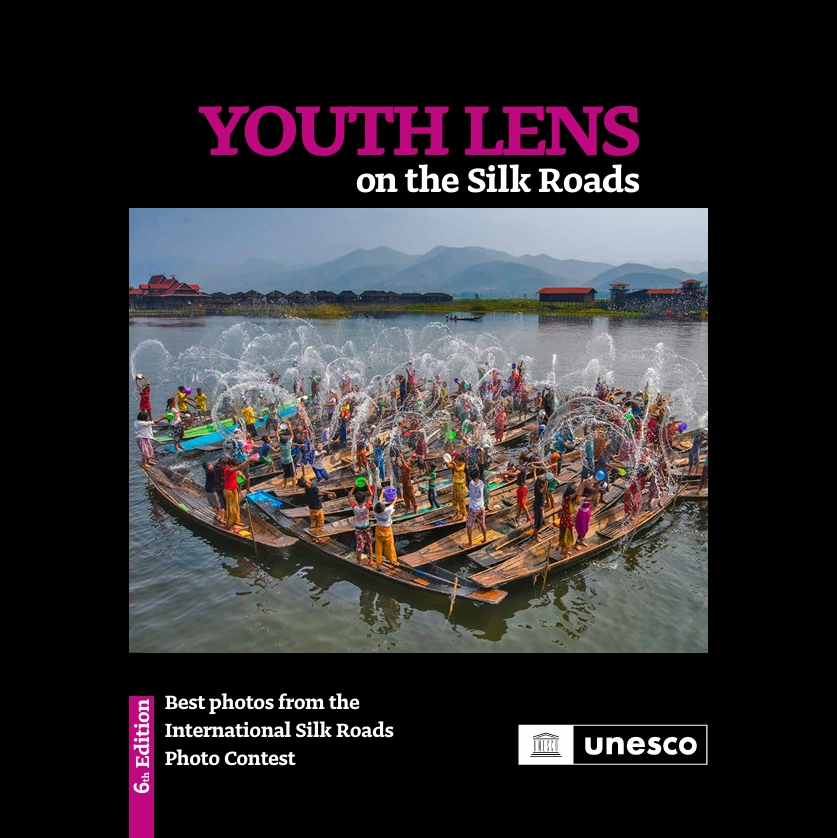 Youth Lens on the Silk Roads: Best Photos from the International Silk Roads Photo Contest; 6th Edition
 -
 Advancing Intergenerational Learning: Identifying Challenges and Opportunities for Older Adults; Integrated Case Study Report
 -
 Digital Empowerment for Lifelong Learning and Transformative Andragogy (DELTA) for Adult Educators: Introduction to the DELTA Framework and Resources