
Reaching the Unreached: Indigenous Intercultural Bilingual Education in Latin America
The paper focuses on the educational situation of the most marginalized children and adolescents in Latin America: those belonging to indigenous homes and communities. To illustrate indigenous marginalization and exclusion as well as the development of intercultural bilingual education (IBE) six countries have been chosen: Bolivia, Ecuador, Guatemala, Mexico, Paraguay and Peru.
관련 자료
-
 Study on the Historical Impact of the 1974 Recommendation concerning Education for International Understanding, Cooperation and Peace and Education relating to Human Rights and Fundamental Freedoms
 -
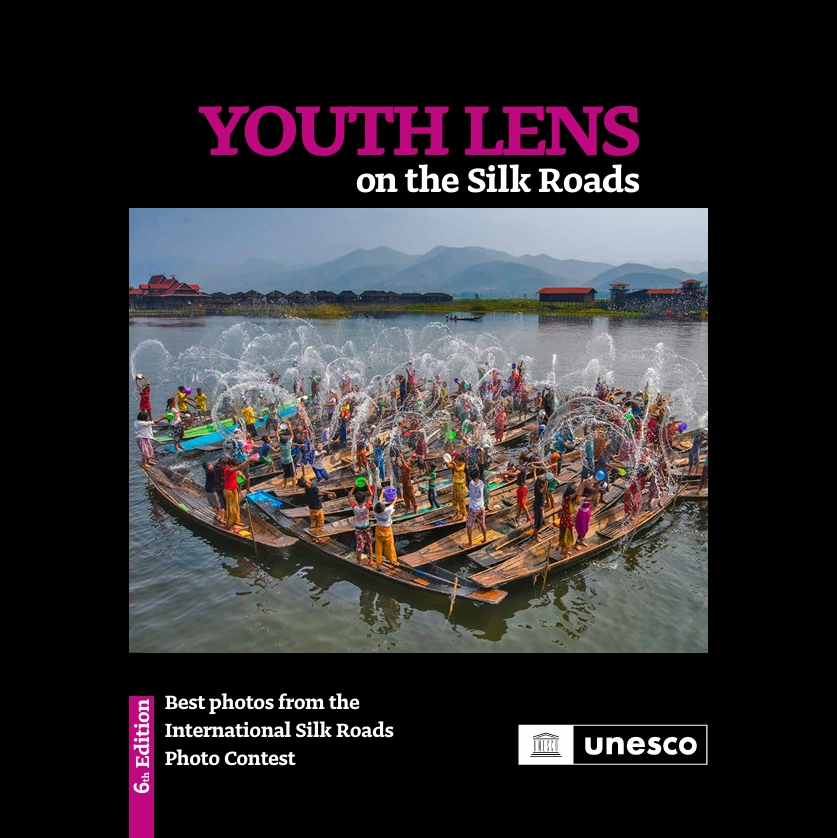 Youth Lens on the Silk Roads: Best Photos from the International Silk Roads Photo Contest; 6th Edition
 -
 More than Welcome: Intercultural Integration of Migrants in and Through Higher Education
 -
 Addressing Violent Pasts through Education: A Policy Guide