
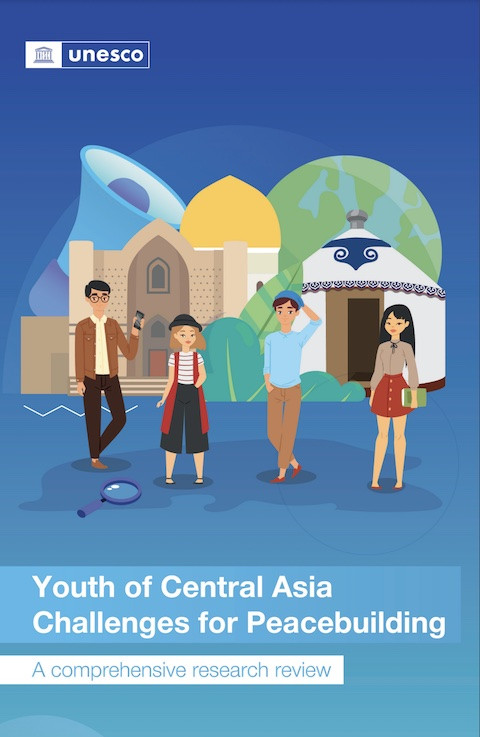
Youth of Central Asia, Challenges for Peacebuilding: A Comprehensive Research Review
- المؤلف
- Laura Yerekesheva
- المؤلف المؤسسي
- منظمة الأمم المتحدة للتربية والعلم والثقافة (UNESCO)
- ISBN
- ISBN 978-92-3-100497-1 (eng); ISBN 978-92-3-100497-1 (rus)
- الترتيب
- 165 p.
- لغة المورد
- الإنجليزيةالروسية
- سنة النشر
- 2021
- الموضوعات
- المدنية / المواطنة / الديمقراطيةمحو الأمية الإعلامية والمعلوماتية / المواطنة الرقميةالتنوع / محو الأمية الثقافية / الشموليةحقوق الإنسانالسلام / ثقافة السلاممنع التطرف العنيف والإبادة الجماعيةالتنمية المستدامة / الاستدامةأخرى
- أنواع الموارد
- الأوراق البحثية/ مقالات المجالاتتقارير المؤتمر والبرنامج
- مستوى التعليم
- رعاية وتعليم الطفولة المبكرةالتعليم الابتدائيالتعليم الثانويالتعليم العاليالتعلم مدى الحياةالتعليم والتدريب التقني والمهنيالتعليم غير الرسمي
- المناطق
- آسيا والمحيط الهادئ
- مكان النشر
- Париж
The estimations are that by 2030, the world will be home to 1.3 billion young people. This speaks about the importance of the youth for development in various parts of the globe, particularly in developing countries which constitute 90% of the global youth population. From comprehensive holistic perspective peace, peacebuilding and dialogue embrace all aspects and dimensions of life – inter-generational, social, economic, political, ethnic, religious, civic, ideological, cultural, and natural. The youth related issues are directly linked with the SDGs agenda. Central Asian states are also on the list of developing countries, with an increasing demographic share of the youth in the general population, meaning that the countries of the region are “young.” As of 2020, the total population of the four countries of Central Asia (Kazakhstan, Kyrgyzstan, Tajikistan and Uzbekistan) was 68.46 million, of which youth comprised 16.55 million or 24,1%. What Challenges for Peacebuilding the Youth of Central Asia Face?
This highlights the urgency required for elaborating and implementing special policies on youth development. For Central Asia, the peace and peacebuilding agenda is the development agenda, and vice versa, as neither is possible without the other, and these in turn are intrinsically linked with youth-related issues. This report provides a detailed overview of the existing challenges to the youth of the 4 countries of the region – Kazakhstan, Kyrgyzstan Tajikistan, Uzbekistan – structured around three main themes of peacebuilding: (1) an education and learning environment; (2) economic and social participation; and (3) civic engagement. Governments, international organizations, professionals and policymakers in the youth, peacebuilding and development sectors, academia and NGOs are invited to join forces to accelerate the achievement of youth development for a more just, sustainable and peaceful future.
موارد ذات صلة
-
 IIEP-UNESCO 12th Medium-Term Strategy: 2026–2029
 -
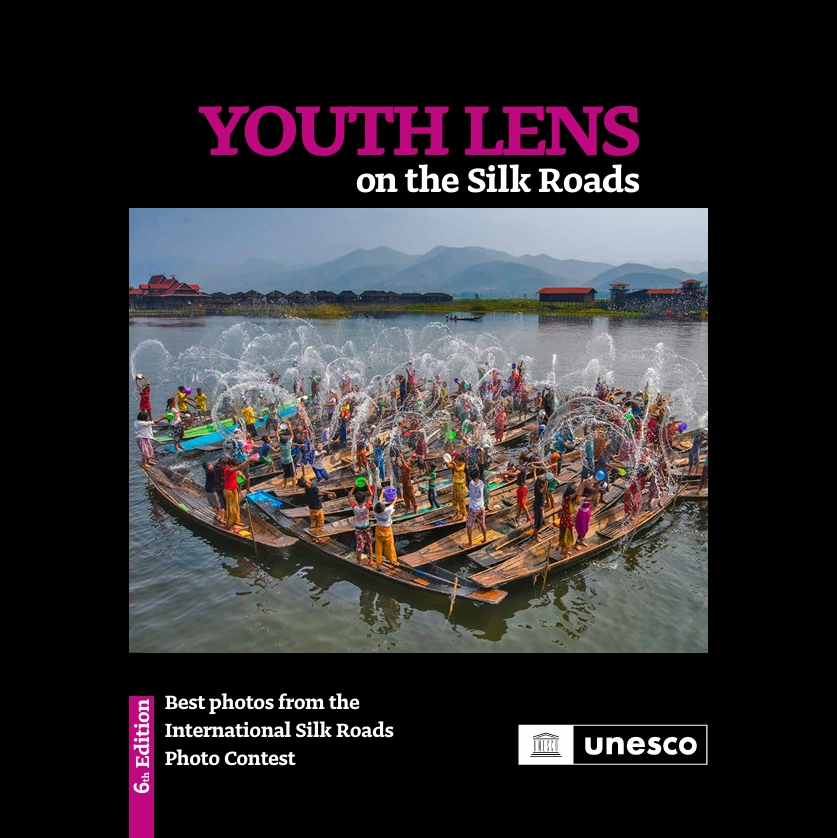 Youth Lens on the Silk Roads: Best Photos from the International Silk Roads Photo Contest; 6th Edition
 -
 Advancing Intergenerational Learning: Identifying Challenges and Opportunities for Older Adults; Integrated Case Study Report
 -
 Digital Empowerment for Lifelong Learning and Transformative Andragogy (DELTA) for Adult Educators: Introduction to the DELTA Framework and Resources