
News
Follow the newest trends and news in GCED.
1,676 Results found
![[UN Women/Jennifer] Graylock A wideview of the UN General Assembly Hall.](https://s3-ap-northeast-2.amazonaws.com/gced-public/news_image/News250319_Youth%20take%20over%20UN%20Women%E2%80%99s%20Commission.jpg) ‘Without us, there is no future’: Youth take over UN Women’s Commission 19 March 2025 14 March 2025 | Women “Support us and include us” to achieve real progress on advancing equal rights for all, young leaders told the Commission on the Status of Women, as the forum wrapped up the first week of its annual session at the UN Headquarters, in New York, on Friday. “Support us and include us in intergovernmental processes,” said Ema Meçaj, a medical student and member of Albania’s youth steering committee, who was among young men and women panellists from around the world at an interactive dialogue at the 69th session of world’s largest annual conference on women (CSW69), which runs from 10 to 21 March.In tackling gender-based violence and poverty, prevention is key alongside inclusion, Ms. Meçaj said, emphasising that efforts must centre on reaching the most vulnerable and recommending the establishment of a holistic approach to existing international commitments for gender equality. Driving towards equalityThe dialogue rounded up a busy first week, with thousands of delegates from around the world seeing the adoption of a landmark declaration on Monday as they continue to take stock of the rights of women and girls and identify challenges and paths forward to realise gender equality while gauging progress on the historical 1995 Beijing Platform for Action.During the afternoon dialogue, youth leaders from Canada, Nepal, Nigeria and Panama identified challenges and proposed concrete solutions to pressing issues, from violence against women to equality for all, including Indigenous Peoples and women and girls with disabilities.They also described what the Beijing Platform for Action meant for them, from a blueprint for equal rights to a “cry of resistance”. Read our explainer on the UN Commission on the Status of Women here Gender justice for allEva Chiom Chukwenele, an amputee peer counsellor at the Mobility Clinic Limited in Nigeria, said as a child, the Platform for Action meant that all girls would have the right to education, healthcare and leadership.“But, gender justice is incomplete when women with disabilities are not included,” she said. “The world was not designed for women with disabilities.”Lamenting the current dearth on data about them, she wondered “if there is no data, how can you be counted?”She proposed a range of actions, including inclusive data collection, accessible schools and sharing positive stories in the media to shed light on this “invisible” group.“When history looks back on this moment, will you be remembered as someone who broke all the barriers or as someone who allowed them to remain?” she asked the audience. “The time to act is now.” Men and boys are key players When history looks back on this moment, will you be remembered as someone who broke all the barriers or as someone who allowed them to remain?The active, central participation of men and boys is essential in collective efforts to realise gender equality, but this has been challenging, said Ahdithya Viseweswaran, coordinator of the Young Diplomats of Canada.“The stakes have never been higher,” he said. “We must stop placing the burden on women to endure and navigate the toxicity of patriarchal systems and instead confront patriarchal masculinities as a root cause of their oppression.”He proposed a framework for tackling the roots of inequality and violence, he said, with men and boys being seen as “indispensable” actors for change. At the heart of these efforts is reaching boys, who are not born with an inherent attachment to patriarchy, he said, adding that “we are shaped how we are raised.”“As men’s rights influencers and State actors weaponise their platforms to undermine the hard-won gains of gender equality, we cannot afford to falter,” he said.“Instead, we need to present young men and boys with a compelling alternative, one rooted in self-liberation, empathy and justice, a redefinition of masculinity that prioritises partnership over domination, liberation over oppression and shared humanity over rigid hierarchies.” Without us, there is no future We still have a long road to go ... being an Indigenous woman in Latin America is not easy Laura Dihuignidili Huertas, a youth leader from the Guna Yala province in Panama, said collective action is key to changing the current grim realities as many of the commitments made in Beijing 30 years ago remain unfulfilled, especially in rural areas.“We still have a long road to go,” said Ms. Huertas, a human rights activist who founded ANYAR, a youth-led organization. “Being an Indigenous woman in Latin America is not easy.”Forced displacement, discrimination and poverty are among pressing daily challenges, she said, stressing that progress cannot be made if people are left behind and that the Beijing Platform for Action was “a cry of resistance”.“We want firm commitments and concrete results,” she said. “We are the generation that can make a reality of the dreams of Beijing, but this can only be possible if we rise up, organise and mobilise all those who have yet joined the fight because without us, there is no future.” [UN Women/Ryan Brown] Young people at the UN Headquarters, in New York,attending the Commission on the Status of Women. Leading and inspiring changeJoining the dialogue, Sima Bahous, head of UN Women, applauded participants and encouraged their efforts to advance gender equality at a time when rights are being trampled.“You are leading and inspiring change,” she said.Young feminists are not just participants in change, but are mobilising online and off to work towards a future free of violence, inequality and poverty.“We cannot build a just future without those who will inherit it,” she said. “Let this be our call to action.” Focus on Afghan women and girlsIn a parallel side event, conference participants gathered to raise international support for and take stock of the rights of Afghan women and girls in light of a bevy of restrictive laws passed since 2021, when the Taliban seized power in the country.Upholding the Rights of Afghan Women and Girls Women, Peace, and Security is one of dozens of side events being held during CSW69. Check the full side events schedule here.Watch the full event on UN Web TV here
‘Without us, there is no future’: Youth take over UN Women’s Commission 19 March 2025 14 March 2025 | Women “Support us and include us” to achieve real progress on advancing equal rights for all, young leaders told the Commission on the Status of Women, as the forum wrapped up the first week of its annual session at the UN Headquarters, in New York, on Friday. “Support us and include us in intergovernmental processes,” said Ema Meçaj, a medical student and member of Albania’s youth steering committee, who was among young men and women panellists from around the world at an interactive dialogue at the 69th session of world’s largest annual conference on women (CSW69), which runs from 10 to 21 March.In tackling gender-based violence and poverty, prevention is key alongside inclusion, Ms. Meçaj said, emphasising that efforts must centre on reaching the most vulnerable and recommending the establishment of a holistic approach to existing international commitments for gender equality. Driving towards equalityThe dialogue rounded up a busy first week, with thousands of delegates from around the world seeing the adoption of a landmark declaration on Monday as they continue to take stock of the rights of women and girls and identify challenges and paths forward to realise gender equality while gauging progress on the historical 1995 Beijing Platform for Action.During the afternoon dialogue, youth leaders from Canada, Nepal, Nigeria and Panama identified challenges and proposed concrete solutions to pressing issues, from violence against women to equality for all, including Indigenous Peoples and women and girls with disabilities.They also described what the Beijing Platform for Action meant for them, from a blueprint for equal rights to a “cry of resistance”. Read our explainer on the UN Commission on the Status of Women here Gender justice for allEva Chiom Chukwenele, an amputee peer counsellor at the Mobility Clinic Limited in Nigeria, said as a child, the Platform for Action meant that all girls would have the right to education, healthcare and leadership.“But, gender justice is incomplete when women with disabilities are not included,” she said. “The world was not designed for women with disabilities.”Lamenting the current dearth on data about them, she wondered “if there is no data, how can you be counted?”She proposed a range of actions, including inclusive data collection, accessible schools and sharing positive stories in the media to shed light on this “invisible” group.“When history looks back on this moment, will you be remembered as someone who broke all the barriers or as someone who allowed them to remain?” she asked the audience. “The time to act is now.” Men and boys are key players When history looks back on this moment, will you be remembered as someone who broke all the barriers or as someone who allowed them to remain?The active, central participation of men and boys is essential in collective efforts to realise gender equality, but this has been challenging, said Ahdithya Viseweswaran, coordinator of the Young Diplomats of Canada.“The stakes have never been higher,” he said. “We must stop placing the burden on women to endure and navigate the toxicity of patriarchal systems and instead confront patriarchal masculinities as a root cause of their oppression.”He proposed a framework for tackling the roots of inequality and violence, he said, with men and boys being seen as “indispensable” actors for change. At the heart of these efforts is reaching boys, who are not born with an inherent attachment to patriarchy, he said, adding that “we are shaped how we are raised.”“As men’s rights influencers and State actors weaponise their platforms to undermine the hard-won gains of gender equality, we cannot afford to falter,” he said.“Instead, we need to present young men and boys with a compelling alternative, one rooted in self-liberation, empathy and justice, a redefinition of masculinity that prioritises partnership over domination, liberation over oppression and shared humanity over rigid hierarchies.” Without us, there is no future We still have a long road to go ... being an Indigenous woman in Latin America is not easy Laura Dihuignidili Huertas, a youth leader from the Guna Yala province in Panama, said collective action is key to changing the current grim realities as many of the commitments made in Beijing 30 years ago remain unfulfilled, especially in rural areas.“We still have a long road to go,” said Ms. Huertas, a human rights activist who founded ANYAR, a youth-led organization. “Being an Indigenous woman in Latin America is not easy.”Forced displacement, discrimination and poverty are among pressing daily challenges, she said, stressing that progress cannot be made if people are left behind and that the Beijing Platform for Action was “a cry of resistance”.“We want firm commitments and concrete results,” she said. “We are the generation that can make a reality of the dreams of Beijing, but this can only be possible if we rise up, organise and mobilise all those who have yet joined the fight because without us, there is no future.” [UN Women/Ryan Brown] Young people at the UN Headquarters, in New York,attending the Commission on the Status of Women. Leading and inspiring changeJoining the dialogue, Sima Bahous, head of UN Women, applauded participants and encouraged their efforts to advance gender equality at a time when rights are being trampled.“You are leading and inspiring change,” she said.Young feminists are not just participants in change, but are mobilising online and off to work towards a future free of violence, inequality and poverty.“We cannot build a just future without those who will inherit it,” she said. “Let this be our call to action.” Focus on Afghan women and girlsIn a parallel side event, conference participants gathered to raise international support for and take stock of the rights of Afghan women and girls in light of a bevy of restrictive laws passed since 2021, when the Taliban seized power in the country.Upholding the Rights of Afghan Women and Girls Women, Peace, and Security is one of dozens of side events being held during CSW69. Check the full side events schedule here.Watch the full event on UN Web TV here 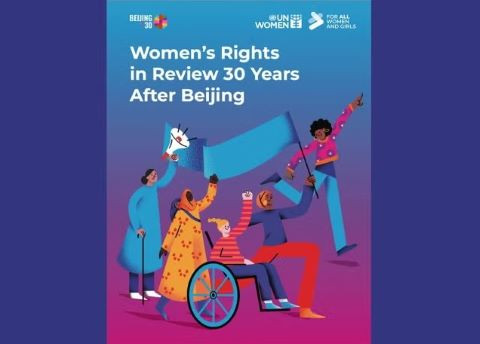 One in Four Countries Report Backlash on Women’s Rights in 2024 11 March 2025 On International Women’s Day, UN Women calls on everyone to stand up for Rights, Empowerment and Equality for ALL Women and Girls 6 March 2025 Women’s and girls’ rights are facing unprecedented growing threats worldwide, from higher levels of discrimination to weaker legal protections, and less funding for programmes and institutions that support and protect women.UN Women’s latest report “Women's Rights in Review 30 Years After Beijing”, published ahead of the UN 50th International Women’s Day on 8 March, shows that in 2024 nearly a quarter of governments worldwide reported a backlash on women’s rights. Despite important progress, only 87 countries have ever been led by a woman, and a woman or girl is killed every 10 minutes by a partner or member of her own family. Digital technology and artificial intelligence spread harmful stereotypes, while the digital gender gap limits women’s opportunities. In the past decade, the world registered a disturbing 50 percent increase in the number of women and girls living in conflict, and women’s rights defenders confront daily harassment, personal attacks and even death. Recent global crises—like COVID-19, the climate emergency, soaring food and fuel prices—are only increasing the urgency to respond. “When women and girls can rise, we all thrive. Yet, globally, women’s human rights are under attack. Instead of mainstreaming equal rights, we’re seeing the mainstreaming of misogyny. Together, we must stand firm in making human rights, equality and empowerment a reality for all women and girls, for everyone, everywhere,” said António Guterres, UN Secretary-General. “UN Women is committed to ensuring that ALL Women and Girls, everywhere, can fully enjoy their rights and freedoms,” affirmed UN Women Executive Director Sima Bahous. “Complex challenges stand in the way of gender equality and women’s empowerment, but we remain steadfast, pushing forward with ambition and resolve. Women and girls are demanding change—and they deserve nothing less.” 2025 marks 30 years of progress since the Beijing Declaration and Platform for Action, the most visionary roadmap on women’s rights. The “Women's Rights in Review 30 Years After Beijing” report, which draws on feedback provided by 159 Governments to the United Nations Secretary-General, shows progress that must be acknowledged - since 1995, parity has been achieved in girls’ education and maternal mortality has dropped by a third. Women’s representation in parliaments more than doubled, and countries continue to remove discriminatory laws, with 1,531 legal reforms between 1995 and 2024 in 189 countries and territories. It demonstrates that when women’s rights are fully upheld in their countries, families, communities, and economies flourish. Yet, significant efforts are still required to achieve gender equality and bring us closer to the 2030 Agenda for Sustainable Development. That’s why today’s report also features the new Beijing+30 Action Agenda, a courageous roadmap to complete our unfinished business by focusing on: A digital revolution for all women and girls: We must ensure equal access to technology, equip women and girls to lead in AI and digital innovation, and guarantee their online safety and privacy. Freedom from poverty: Investments in comprehensive social protection, universal health coverage, education, and robust care services are needed for women and girls to thrive and can create millions of green and decent jobs. Zero violence: Countries must adopt and implement legislation to end violence against women and girls, in all its forms, with well-resourced plans that include support for community-based organizations on the front lines of response and prevention. Full and equal decision-making power: Temporary special measures like gender quotas have proven their effectiveness in rapidly increasing women’s participation. Peace and security: Fully finance national plans on women, peace and security and gender-responsive humanitarian aid are essential. Frontline women’s organizations, so often the first responders to crisis, must receive dedicated, sustained funding to build lasting peace. Climate justice: We must prioritize women’s and girls’ rights in climate adaptation, center their leadership and knowledge, and ensure they benefit from new green jobs. Across these six Actions, putting young women and girls at the heart of our efforts is the best way to guarantee success, both today and tomorrow. These six plus one actions have the potential to unleash progress on women’s rights and put us back on track for 2030. The Beijing+30 commemoration and the forthcoming UN Commission on the Status of Women (CSW69) are clear opportunities to enshrine this Action Agenda into national policies, regional strategies, and global agreements. In a pivotal year for women and girls, that is also a year of pushback and crises like no other, let us push women’s rights forward to create a world where all women and girls enjoy equal rights and equal opportunities. We can be the first generation that can live in an equal world. Read UN Women’s full report.
 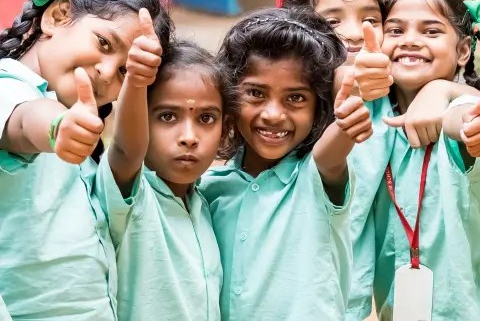 How Marriage Laws Can Contribute to Protecting Every Girl’s Right to Education 11 March 2025 Every girl has the right to education. Yet, across the world, gender-based discrimination continues to deny millions of girls this right. A striking example of discriminatory practice against girls is child marriage, a practice that disproportionately affects girls, with 19 per cent of girls and 3 per cent of boys married before the age of 18. 7 March 2025 As recalled by the United Nations Committee on the Elimination of Discrimination against Women and the Committee of the Rights of the Child (Recommendation N°31, General Comment N°18), “child marriage, also referred to as early marriage, is any marriage where at least one of the parties is under 18 years of age. (…) A child marriage is considered to be a form of forced marriage, given that one or both parties have not expressed full, free and informed consent” (para. 20).For many girls, marriage often marks the abrupt end of their education. Once married, their likelihood of remaining in school drops dramatically. An alarming 87 per cent of adolescent girls (aged 15–17) who are married or in union are no longer in school. Child marriage and early pregnancy are closely linked, with 76 per cent of childbearing among girls under 18 occurring within marriage. This cycle of early marriage and motherhood reinforces dependency and limits opportunities, curbing girls’ potential and future prospects. Marriage laws worldwideThe interactive world map HerAtlas, through its global legal monitoring of the right to education, has been tracking marriage laws worldwide, including recent progress in raising the age of marriage and removing exceptions.Under Article 16.2 of the CEDAW Convention, States must ensure that child marriage and betrothal hold no legal validity. Both the CEDAW Committee and the Committee on the Rights of the Child call for the elimination of harmful practices. Both Committees emphasize the need for a comprehensive, rights-based strategy that integrates supportive policies, social measures, and strong political commitment, ensuring real accountability at all levels to protect children’s rights and end child marriage (Recommendation N°31, General Comment N°18). Source: HerAtlas data, as of February 2025© UNESCO As of early 2025, 18 per cent of countries still allow marriage before the age of 18 for girls in their legislation, while only 26 per cent of countries have set the legal age at 18 without exceptions. The remaining 54 per cent permit marriage at 18 but allow exceptions, often requiring parental or judicial consent, sometimes with no absolute minimum age in place.A closer analysis of HerAtlas data reveals that among the countries allowing exceptions, 65% have at least set an absolute minimum age under which marriage is strictly prohibited. However, in some cases, that minimum is alarmingly low—the most common absolute minimum age is 16 (75 per cent), but in some countries, it drops to just 13 years old. Source: HerAtlas data, as of February 2025© UNESCO Since 2019, governments around the world have been stepping up to explicitly ban child marriage without exceptions, marking a growing commitment to gender equality and education. Fourteen countries have amended their marriage laws to set the legal minimum at 18 years old without exceptions. Progress towards the end of child marriageIn just the past two years, notable reforms include: Belize (2024): Amended its Marriage Act to raise the legal age of marriage from 16 to 18 years old, without exception. Colombia (2025):Repealed a Civil Code provision that previously allowed minors over 14 to marry with parental or legal consent. Sierra Leone (2024): Adopted the Prohibition of Child Marriage Act, eliminating all exceptions that previously allowed marriage before the age of 18. Bulgaria (2023): Repealed legal provisions that had allowed marriage exceptions for minors as young as 16. Zambia (2023): The legal age of marriage is set at 21 years old. Previously, exceptions allowed marriage from 16 years old with parental consent and below with judicial consent. However, with the adoption of the Marriage Amendment Act in 2023, these exceptions were restricted, establishing an absolute minimum age at 18 years old. This positive tendency is continuing as several countries are following the same path and are currently in the process of amending their laws to progress towards the end of child marriage: Bhutan (2024): A new Marriage (Amendment) Bill has been adopted by the National Assembly and is now being considered by the National Council, aiming to align the legal marriage age for boys and girls at 18. South Africa: the Marriage Bill of December 2023 has been debated over the last year, one of the proposed amendments is to raise the legal age of marriage at 18 years without exception. Morocco: Following a two-year consultation process, discussions on the Family Law include a proposal to set an absolute minimum age of marriage 17, where currently none exists. Marriage laws: a powerful tool in protecting girls' education While many nations are moving in the right direction, some setbacks threaten progress. In a couple of countries, legislative discussions are underway—or decisions have already been made—to lower the legal age of marriage, putting even more girls at risk of being pulled out of school and denied their future.The evidence is clear: strengthening marriage laws is a powerful tool in protecting girls' education. Governments must take decisive action to close loopholes, enforce 18 as the absolute minimum age for marriage, and ensure that every girl has the right to learn, grow, and thrive—free from the constraints of child marriage. → HerAtlas→ Protect her rights, strengthen your laws: Her Atlas: status report on girls’ and women’s right to education→ Pregnancy and the right to education→ Right to education handbook URL: https://www.unesco.org/en/articles/how-marriage-laws-can-contribute-protecting-every-girls-right-education?hub=701
 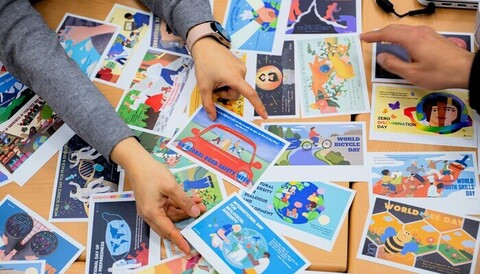 Capacity-building Traning Workshops on GCED for the 11th Batch of National GCED Lead Teachers 4 March 2025 The Ministry of Education of the Republic of Korea and APCEIU conducted the first capacity-building training for 65 GCED Lead Teachers, selected from 17 provincial and metropolitan education offices. This training took place from January 21 to 23 in a face-to-face format and included remote training on February 21. It aimed to lay the foundation for GCED, broaden perspectives on various issues through special lectures, and provide opportunities for sharing classroom practices and developing future activity plans as GCED Lead Teachers. The first day of the face-to-face training began with an orientation session for participants to get to know each other, followed by a lecture on GCED. Mr. Jaehong Kim, Head of Education and Training, shared the theoretical background and practical cases of GCED, emphasizing the discomfort that can arise during the process of expanding one’s identity as a global citizen and how to internalize these experiences. In the afternoon lecture, Dr. Seung-mi Lee from the Korea Institute for Curriculum and Evaluation introduced the common ground between the 2022 revised curriculum and GCED, sharing ways to incorporate GCED into the current curriculum. This provided an opportunity to reflect on the position of GCED within the national curriculum and its future direction. Subsequently, there were lectures on key issues related to GCED and sharing of classroom cases. Professor Hyo-je Cho of SungKongHoe University, who has conducted in-depth research on the relationship between “climate crisis and human rights”, emphasized the importance of fostering a sense of responsibility and solidarity as global citizens in the context of global crises. He encouraged reflection on the mindset needed to coexist with climate refugees and the importance of proactive education in addressing climate issues. Additionally, a lecture on “AI Literacy and Citizenship” provided insights into the demands of global citizenship in the age of artificial intelligence and explored the current state of education using AI. This was followed by a time for exploring various themes and methodologies of transformative education through the sharing of diverse teaching and learning practices by former GCED Lead Teachers. A workshop was also conducted to introduce and apply teaching materials that can be effectively utilized for GCED. The “Becoming a Global Citizen in the Classroom” workshop helped teachers come closer to lessons focused on Sustainable Development Goals. In particular, “Becoming a Global Citizen through Geographical Imagination,” the recently published resource by APCEIU at the end of last year, was introduced to cover interconnected global issues from a geographical perspective. Through these processes, the participants established directions for activities in their respective provinces throughout the year and subsequently collaborated with their affiliated education offices to develop more specific plans. During the follow-up remote training, the GCED Lead Teachers shared drafts of their operational plans, seeking additional activities and collaboration between provinces. Additionally, through a special lecture by Young-mi Kim, a specialized PD in reporting on international conflicts, participants reflected on the significance of GCED informed by insights gained from experiences in war and disaster contexts, recognizing the necessity of media literacy for global citizens. Having completed the first training, the GCED Lead Teachers will receive certificates of appointment from the Ministry of Education and collaborate with their affiliated education offices and local lead teachers to carry out various activities aimed at promoting GCED throughout the year. The activities from each province will be presented at the second capacity-building training scheduled for July, as well as during the year-end review meeting. Since 2015, APCEIU has trained over 60 GCED Lead Teachers annually through the capacity-building programme, and as of 2025, more than 620 National Lead Teachers and approximately 6,000 Provincial Lead Teachers continue to engage in GCED activities tailored to local contexts. URL: https://www.unescoapceiu.org/post/5294
 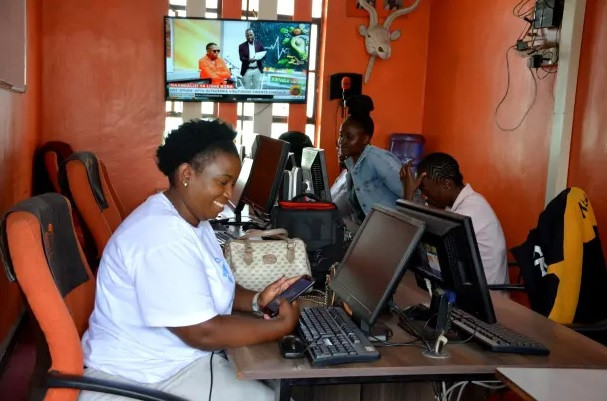 UNESCO - EU Partnership Grows: Tackling Disinformation and Hate Speech Globally 28 February 2025 The EU-funded Social Media 4 Peace (SM4P) project has kick-started 2025 with a significant expansion to Iraq, South Africa and Kyrgyzstan. 21 February 2025Building on success in Bosnia and Herzegovina, Colombia, Indonesia and Kenya, UNESCO continues to strengthen societal resilience against online hate speech, disinformation, and other harmful content while promoting peace through social media.Initially launched in 2021 with a 4 million-euro contribution from the EU, SM4P has successfully engaged key national stakeholders to develop locally informed responses to the challenges posed by harmful online content in Indonesia, Kenya, Bosnia and Herzegovina, and Colombia. With a new contribution of 4 million euros in 2025, the project will extend its impact in Iraq, Kyrgyzstan, and South Africa while reinforcing achievements in Indonesia and Kenya. "The partnership between UNESCO and the Service for Foreign Policy Instruments at the EU is allowing us to address fast and with flexibility the impact of harmful content in societies in conflict-prone and polarized environments, while protecting freedom of expression and the rights of the most vulnerable and marginalized communities." Tawfik JelassiAssistant Director-General for Communication and Information, UNESCO To date, SM4P project has mobilized over 80 partners through national multistakeholder coalitions in Bosnia and Herzegovina, Colombia, Indonesia and Kenya. The project has produced ground-breaking research to better understand the real-life impacts of hate speech and disinformation on societies, especially communities in situation of marginalization and vulnerability, developed over 20 advocacy and user empowerment tools, and trained over 3,000 youth, journalists and CSO leaders. These efforts have enhanced fact-checking, advocacy, Media and Information Literacy, and peacebuilding narratives while protecting freedom of expression. The national multistakeholder coalitions have successfully engaged digital platforms to address the local challenges of the spread of harmful content online. Anida Sokol from Media Centar Sarajevo explains: "In BiH, we have a vibrant civil society that has been engaged in monitoring and countering hate speech. Before, although our country has been facing pressing challenges related to online hate speech, major social media platforms didn’t have any local presence or engagement in the country. Thanks to the multistakeholder coalition, this has changed. We are establishing meaningful dialogues with digital platforms and demanding more accountability."Anida Sokol Similarly, the project has strengthened coordination among stakeholders. Rosemary Mwangi from Communication Authority of Kenya shares her experience: In Kenya, all our efforts suffered from an inconsistent exchange of knowledge and experiences among us. Now, we joined forces through our multi-stakeholder coalition, FeCoMo. We are taking joint positions about emerging issues of digital spaces, and we are much more powerful in voicing what the needs for our communities are when we speak as one. Rosemary Mwangi SM4P’s influence extends beyond its target countries, contributing to global policy discussions on platform governance. At the 2024 International Conference on Digital Platform Governance in Dubrovnik, co-hosted by UNESCO and the National Regulator of Croatia, SM4P partners played a pivotal role in shaping the vision of the Global Forum of Networks. Their participation bridged knowledge gaps and advanced collective goals in digital governance.Looking ahead, SM4P will continue until December 2027, fostering multistakeholder collaboration and strengthening resilience against online harm. A key focus will be implementing UNESCO’s Guidelines for the Governance of Digital Platforms, ensuring human rights and freedom of expression remain central to digital governance. The multistakeholder coalitions established through SM4P will be instrumental in applying these Guidelines locally while informing their broader implementation. The project's national coalition of Kenya participates in a training workshop in 2023,during which the coalition adopts a joint resoultion for a multisectoral approach and actionto address gendered disinformation and hate speech on digital platforms. UNESCO On February 12, 2025, Christina Kokkinakis, Permanent Representative ofthe European Union to UNESCO, delivers an opening remark and partipatesin the kick-off workshop for the expansion ofthe Social Media 4 Peace project at UNESCO HQ in Paris. UNESCO URL: https://www.unesco.org/en/articles/unesco-eu-partnership-grows-tackling-disinformation-and-hate-speech-globally?hub=701
 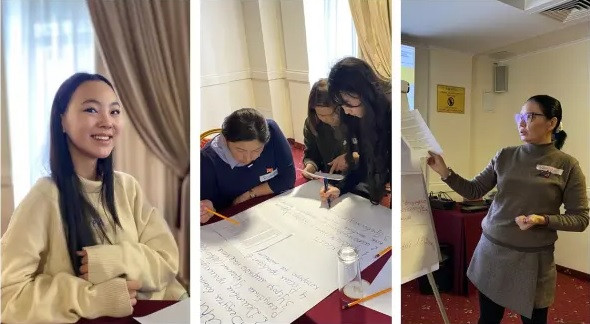 Training on MIL for Women Civil Activists and Deputies of Local Councils Took Place in Kyrgyzstan 27 February 2025 On 8 February, training on Media and Information Literacy took place in Bishkek for women civil activists and deputies of local councils. 20 February 2025 - Last update:24 February 2025The event was organised by the Public Association ‘Journalists’. The training was attended by civil activists, deputies of city and village councils from Bishkek, Chui, Naryn and Issyk-Kul regions, as well as representatives of the public organisation ‘Women's Democratic Network’. The training was conducted by well-known journalist and media expert Marat Tokoev, who addressed key aspects of media education:- the difference between facts and opinions,- informing and propaganda,- criteria for determining the truth,- the influence of social media, trolling and hate speech,- identification of fakes and dipfakes. The training was held in an interactive format, with participants analysing real cases, discussing challenges in the information space and learning how to apply their knowledge in practice. The training was organised with the support of the UNESCO Regional Office in Almaty. URL: https://www.unesco.org/en/articles/training-mil-women-civil-activists-and-deputies-local-councils-took-place-kyrgyzstan?hub=66921
  Asia-Pacific Falling Behind on Sustainable Development and Climate Targets 24 February 2025 By Vibhu Mishra17 February 2025 ┃ SDGs The Asia-Pacific region is significantly off track in achieving the Sustainable Development Goals (SDGs), with most targets either stalled or off pace – despite ongoing efforts, according to a new UN report. The 2025 SDG Progress Report from the UN Economic and Social Commission for Asia and the Pacific (ESCAP) launched on Tuesday, also revealed persistent data gaps which are limiting policymakers’ ability to address key challenges.“Without urgent action to accelerate progress, many of the Goals will remain out of reach,” Armida Salsiah Alisjahbana, Executive Secretary of ESCAP, said in a foreword to the report. Challenges mountingThe report found that responsible consumption and production (Goal 12), quality education (Goal 4) and decent work and economic growth (Goal 8) are severely off track.Key drivers of this stagnation include increases in fossil fuel subsidies, poor proficiency in reading and maths, and unsustainable production patterns, according to the report.Of most concern, climate action (Goal 13) witnessed an “alarming regression”, driven by the region’s vulnerability to disasters and continued greenhouse gas (GHG) emissions, which account for half of global pollution.Environmental sustainability remained a major roadblock, with land degradation and declining economic benefits from sustainable fisheries hampering progress on life below water (Goal 14) and life on land (Goal 15).The report also highlighted persistent data gaps as a key challenge.While data availability has improved slightly, with some 54 per cent of indicators now having at least two data points – a slight increase from the previous year - there are still significant blind spots in measuring progress across different population groups, including by age, migratory status, disability, and gender. Some progressThe region also recorded progress in some areas, such as in Goal 9 (industry, innovation and infrastructure) and Goal 3 (health and well-being), with progress driven by expanded access to mobile networks and remarkable improvements in maternal, infant and child health.The report also highlighted promising examples of regional cooperation and innovation.“Shared commitment and collaboration can yield transformative results,” said Ms. Alisjahbana, emphasising the need for a whole-of-society approach to achieving the SDGs.However, with just five years remaining until the 2030 deadline, achieving the SDGs will require bold action, strengthened political leadership, and significant investments in sustainable development.“Nothing short of the most urgent acceleration of progress will close the gap,” Ms. Alisjahbana underscored. URL: https://news.un.org/en/story/2025/02/1160216
 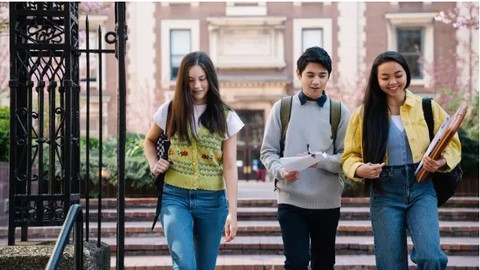 Launch of the "Youth as Researchers" Project in Central Asia 12 February 2025 The UNESCO Almaty Regional Office, in close collaboration with the UNESCO Office in Tashkent, the International Centre for the Rapprochement of Cultures under the auspices of UNESCO, and the Kazakhstan National Federation of Clubs for UNESCO, is proud to announce the launch of the Youth as Researchers initiative in Central Asia. 30 January 2025The UNESCO Almaty Regional Office, in close collaboration with the UNESCO Office in Tashkent, the International Centre for the Rapprochement of Cultures under the auspices of UNESCO, and the Kazakhstan National Federation of Clubs for UNESCO, is proud to announce the launch of the Youth as Researchers initiative in Central Asia. This exciting project empowers young people across Kazakhstan, Kyrgyzstan, Tajikistan, Turkmenistan, and Uzbekistan to engage in research on critical themes that impact their communities. Through this initiative, nine youth research groups have been selected to focus on five key topics: Promotion of Science Peace and Intercultural Dialogue Gender Equality Youth Mental Health Ethics of Artificial Intelligence Over the next two months, these youth groups will undergo comprehensive training in research methodologies, particularly in the social and human sciences. This training will equip them with the necessary tools to develop impactful knowledge products, which will contain recommendations on the selected topics. The findings will be shared with the National Commissions and Permanent Delegations to UNESCO of the participating countries.The Youth as Researchers (YAR) programme, which is part of a global UNESCO initiative, is designed to empower young people to conduct research that addresses the issues they face. By equipping youth with research skills, YAR fosters evidence-based advocacy, encourages active participation in policy discussions, and strengthens their roles as agents of change in society.Stay tuned for updates on the progress of the YAR project and the invaluable contributions of young people across Central Asia to shaping their communities’ future. URL: https://www.unesco.org/en/articles/launch-youth-researchers-project-central-asia?hub=701
 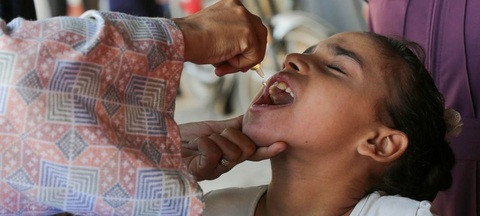 UN Regrets US Exit from Global Cooperation on Health, Climate Change Agreement 10 February 2025 21 January 2025 - Humanitarian Aid UN agencies responded on Tuesday to President Trump’s executive orders ending US membership of the World Health Organization (WHO) and its adherence to the Paris Climate Agreement, highlighting the massive potential negative impact on public health and efforts to curb global warming.“The WHO regrets the announcement that the United States of America intends to withdraw from the Organization…We hope the United States will reconsider,” said WHO spokesperson Tarik Jasarevic, hours after the new President signed an executive order at the White House, bringing US involvement in the UN agency to an end in 12 months. The US joined WHO in 1948 after a joint resolution was passed by both chambers of Congress. The resolution requires the country to provide one year’s notice to leave the organization. President Trump took steps to withdraw from the WHO in 2020 during his first term – but the move was reversed by the Biden administration. Responding to journalists’ questions in Geneva, Mr. Jasarevic insisted that WHO “plays a crucial role in protecting the health and security of the world’s people, including Americans, by addressing the root causes of disease, building stronger health systems, and detecting, preventing and responding to health emergencies, including disease outbreaks, often in dangerous places where others cannot go.” Asked about the impact of the US withdrawal, Mr. Jasarevic pointed out that he saw the executive order “this morning like everyone else” and that further analysis will be needed. He confirmed that the US was WHO’s largest single donor, accounting for 18 per cent of the agency’s budget in 2023. Also in Geneva, UN humanitarian affairs office (OCHA) spokesperson Jens Laerke highlighted the UN health agency’s importance, saying that “the world lives longer, healthier, perhaps a little bit happier because of WHO”. “WHO is in places where others cannot go,” Mr. Laerke said, including Gaza, Yemen, Afghanistan and Sudan. “It is an indispensable part of the international humanitarian system,” he insisted. Climate shock From the UN World Meteorological Organization (WMO), spokesperson Clare Nullis reacted to President Trump’s vow to quit the universally adopted 2015 Paris Agreement - marking an immediate return to the policies of his first presidential term, which ended in January 2021. The need for all countries to respect the accord was “pretty obvious”, she said, given that 2024 “was the hottest year on record”, at about 1.55°C above the pre-industrial era. “It is the defining challenge of our time,” she insisted. In the wake of the recent devastating and deadly massive wildfires that ripped through Los Angeles, the WMO spokesperson also noted that the US had suffered the bulk of global economic losses from weather, climate and water-related hazards. “It has sustained 403 weather and climate disasters since 1980 where overall damages/costs reached or exceeded $1 billion. The total cost of these 403 events exceeds $2.915 trillion, according to US figures,” Ms. Nullis said. Her comments echoed those of the UN Spokesperson’s Office late on Monday which responded to journalists’ questions insisting that “the transformation envisaged in the Paris Agreement is already underway”, with a renewable “energy revolution” offering opportunities for jobs and prosperity. “The Secretary-General remains confident that cities, states and businesses within the United States - along with other countries - will continue to demonstrate vision and leadership by working for the low-carbon, resilient economic growth that will create quality jobs and markets for 21st century prosperity," the statement continued. “It is crucial that the United States remains a leader on environmental issues,” it concluded. URL: https://news.un.org/en/story/2025/01/1159211
 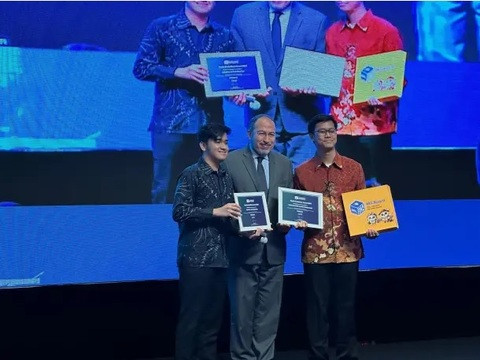 Winners of UNESCO’s Youth Hackathon 2024 Shape the Future of Media and Information Literacy 10 February 2025 Marking its sixth year, the 2024 edition set a new record with 202 teams from 68 countries submitting projects under the theme “Youth Leading the Way: Media and Information Literacy and the New Digital Frontiers of Information”. 7 February 2025"Taking part in the Youth Hackathon was a truly transformative experience. Representing Indonesia and presenting our project on an international platform was an honor, but the real impact came from the connections we built in Amman. Engaging with youth from diverse countries and backgrounds highlighted the power of collaboration and cultural exchange", said Muhammad Rafi Aurelia from Indonesia, one of the 2024 winners for his project MILBoard. Muhammad, along with three other teams from Madagascar, Iraq/UAE/Egypt, and Ukraine, attended the closing ceremony of the Global MIL Week Feature Conference in Amman on 30 October 2024. They presented their project, aiming to raise visibility and support to further develop their ideas. The Youth Hackathon is a flagship initiative in UNESCO’s ongoing efforts to engage young people in shaping the future of media and information literacy. Each year, UNESCO invites young innovators to submit projects tackling misinformation, through mobile applications, podcasts, educational tools, and community-based interventions. This year’s participants also benefited from a two-day online mentoring program covering media literacy, disinformation challenges, hate speech, and coding fundamentals. Expert mentors from DW Academie, TeensinAI, and SAP guided teams through this preparation phase. After a rigorous review by an independent international jury, four teams were selected as winners: Mobile Application: MAHWDeveloped by a collaborative team from Iraq, the United Arab Emirates, and Egypt, MAHW, inspired by the Arabic word for "erasing", is a mobile application designed to combat misinformation and enhance media literacy. Featuring gamified learning, AI-powered fact-checking, and interactive quizzes, MAHW equips users with essential tools to identify and counter misinformation. With 60% of its core features already developed, the project demonstrates significant potential for real-world impact. [Learn more about MAHW] Community-Based Intervention: ARTiFAKERepresenting Ukraine, ARTiFAKE, a blend of "Art Invades Fakes", leverages creative mediums such as street art, digital comic books, and animated cartoons to counter disinformation. By integrating visually engaging content into public spaces and distributing digital comics featuring protagonists Arti and Tina, ARTiFAKE fosters critical thinking and community-driven media literacy. [Explore ARTiFAKE's comic book series] Podcast Channel: Idea’s EchoDeveloped by CliMates Madagascar, Idea’s Echo harnesses the power of radio and podcasting to raise awareness on climate change and the UN Sustainable Development Goals (SDG13). By featuring local experts discussing region-specific issues in Malagasy dialects, the project ensures accessibility and accuracy, empowering communities to make informed decisions in an ever-changing digital landscape. [Listen to Idea’s Echo] Peer-Education Game: MILBoardCreated by a team from Indonesia, MILBoard is an innovative snakes-and-ladders-inspired board game integrated with a mobile app. Designed for children aged 10–17 in remote and underserved areas, the game introduces media and information literacy concepts in an interactive and engaging way. Features like “challenge cards” and MIL curriculum modules help participants build critical thinking skills while making learning fun and impactful. [Discover MILBoard] UNESCO Youth Hackathon underscores the creativity, passion, and resilience of young people in tackling today’s digital challenges. By fostering innovation and equipping youth with essential media and information literacy skills, this initiative plays a vital role in advancing informed, inclusive, and responsible digital citizenship worldwide. Details for the 2025 edition will be announced in June. → More on 2024 Edition URL: https://www.unesco.org/en/articles/winners-unescos-youth-hackathon-2024-shape-future-media-and-information-literacy?hub=701