
News
Follow the newest trends and news in GCED.
1,676 Results found
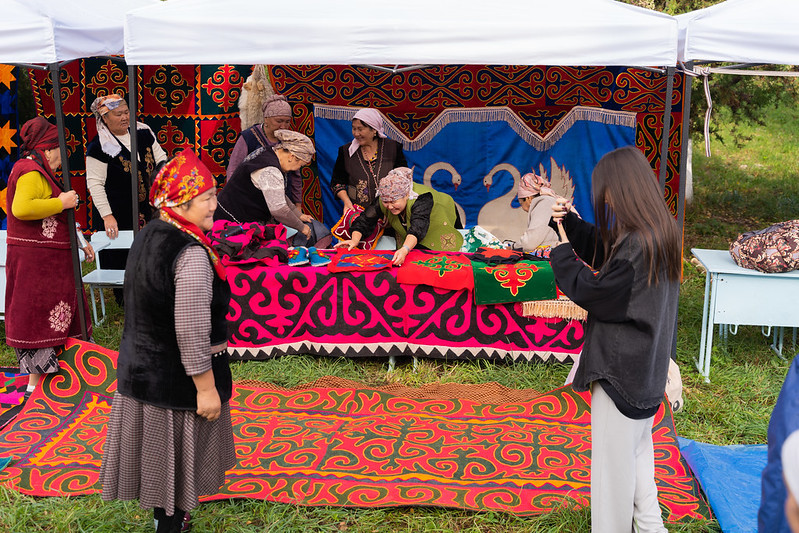 Women's Creative Labs: UNDP Promotes Women Empowerment Through Creative Spaces 5 September 2024 Women empowerment is a cornerstone of sustainable development. When women are empowered, they contribute significantly to economic growth, social stability, and overall community well-being. However, in developing countries in general and areas beyond capital cities in particular, women often face unique challenges that hinder their potential. These regions, characterized by limited production opportunities, significant labor outmigration, and persistent stereotypes about women’s role in the society, require innovative solutions to harness women's capabilities. Despite existing development constraints and limited budgetary support from local governments, communities can create value-added products that drive development by leveraging local resources (including intangible assets like social capital, cultural norms, and branding) that could be monetized through creative expression; and women can make a major contribution towards that process. The creative economy has significant potential to boost GDP and employment by enabling individuals to innovate and produce valuable products and services. These industries create jobs, improve quality of life, and foster inclusive societies, benefiting from greater involvement of women. According to the Ministry of Economy and Commerce, 40% of those employed in creative industries are women, most of whom work informally. However, the UNDP’s research on creative skills conducted in 2023 shows that despite strong interest among respondents in creative employment, half of the women cited "lack of financial support" as a key barrier to developing their skills.Additionally, 59% of women highlighted the need for safe creative spaces to meet, share ideas, support each other, and exchange experiences as a crucial institutional measure to enhance their engagement. To address these challenges, UNDP launched Women Creative Labs (WCL), representing first in Kyrgyzstan women-oriented coworking space with an extremely enabling and nurturing peer environment. Operating on the basis of cooperation with local NGOs and municipal governments, the Lab serves multiple functions, including giving access to seed financing sources to test or speed up women’s business ideas in creative enterprises, running special training and tutoring support programs, as well as providing conducive environment for exchanging information and knowledge on the topic of interest, such as financial literacy, gender equality, legal rights, and even sexual and reproductive health.The successful experience of the laboratory in Osh in 2022 made it possible to launch laboratories in Jalal-Abad and Batken in 2023. By applying human-centered design approach and principles of inclusivity, the Laboratories aim to affect changes on multiple levels, going bottom up from beneficiaries to partners to communities. Participating women are the primary beneficiaries, gaining essential resources and skills to empower themselves financially, emotionally, and psychologically. According to Gulsana Abytova, Head of the Laboratory in Jalal-Abad and Batken:“We were very eager to address the issues of women's unemployment, lack of job opportunities, and income through the strengths of women—practical skills in making kurak, shyrdak, souvenirs, providing tourist services, and more. Women need to meet like-minded individuals, share their ideas and experiences, learn new things from others, and receive support and a positive attitude. It is important for women to have their work, skills, and abilities recognized, which is not easy in rural areas. They can find all this at the Laboratory.”The words of Aidarbek Alisherov, Head of Ketmen-Döbö village in the Toktogul district, further attest to the recognition of the Laboratory’s contribution to community development:“In 2023, women from the village of Ketmen-Döbö joined the Women's Creative Laboratory, which is already operating in other regions of the republic, focusing on guesthouses in tourism and tourist services. As a result, four guesthouses were opened in the rural district, with one operating seasonally. Women are engaged not only in tourism but also in creating traditional carpets, patchwork items, and much more, which are long-standing parts of Kyrgyz culture. The Women's Creative Laboratory has assisted participants with training, workshops, and creating conditions for women in rural areas to work in various fields such as tourism, craftsmanship, and other areas. This has enabled women to develop the potential of their region, draw attention to its tourism potential, and create conditions for prosperity.” The Laboratory also enables grassroots NGOs to drive development agenda on the ground. Through disbursement of grants, the initiative provides opportunities to local partners in combining and testing contextualized conventional and innovative methodologies and approaches to inclusive economic development. Empowered grassroots organizations, mainly represented by women themselves, gain credibility and a strong voice to engage with local authorities and advocate for change as a united force. According to Nurlanbek Junusov, Head of the Unemployment Assistance Department in the city of Nookat:“This year, we held a series of events dedicated to women's employment. Among our most active participants were the coordinators of the Women's Creative Laboratory. They made a significant contribution to our events, actively participated, shared their ideas, and helped us achieve good results. Wherever we went, many women listened to the advice of our leaders, took their contact information, showed interest in their activities, and approached us with a strong desire to work. Therefore, we highly value their contribution to our efforts.” This journey continues with the hope of creating a broader impact through the development of a network of Women Creative Labs across the country. Already, more than 300 women have become Lab residents, and over 1,000 women have joined the network in various locations. WCL has proven to be a unique and scalable model that can be adopted by grassroots organizations and customized to fit local contexts. Thanks to the monetization of residents' creative skills and support from local governments, WCL can maintain operations and achieve both financial and content sustainability. A compelling example of this sustainability is the establishment of a women's cooperative in Kyzyl-Kiya, inspired by the laboratory model, which brings together women engaged in sewing production. Another lab initiative aims to develop Toktogul into a tourist destination, boosting the local economy and community. Inspired by the model’s success, three new laboratories are to be open in Naryn region this year. This not only validates the model but also creates opportunities for future synergy and sustainability beyond UNDP's contribution. The creation of a network of laboratories will not only foster a community of practice with opportunities for information exchange, deeper expertise, and efficient use of resources, but also transform perspectives on the role of women in rural communities. This network envisions women as empowered, proactive community actors and equal decision-makers. In the next blog, we will explore how the Women Creative Lab contributes to normative and behavioral change in rural communities by challenging gender-based stereotypes.The blog was co-authored with Aikerim Motukeeva, UNDP consultant for the development of knowledge products. URL: https://www.undp.org/kyrgyzstan/blog/women-creative-labs-undp-promotes-women-empowerment-through-creative-spaces
  Unlocking Global Understanding: The Power of Multilingual Education 4 September 2024 Last update: 4 September 2024 By Kabi Paudel In a world that is increasingly interconnected, multilingual education stands as a beacon for fostering literacy, peace, and understanding. The ability to learn and teach multiple languages not only enhances cognitive abilities but also deepens cultural awareness and empowers individuals to thrive in a globalized environment. Meet Mr. Ghanshyam Nyoupane, from the land of Mt. Everest and the birthplace of peace (Lord Buddha), and a teacher at Nirvana Secondary School in Kumaripati Lalitpur, Nepal. With 17 years of teaching and learning experience, his knowledge comes from extensive training on diverse texts, allowing him to assist his students on a wide range of topics. Driven by the desire to help others learn and explore, Mr. Nyoupane finds that discovering new things fuels innovation, problem-solving, and continuous growth, which aligns with his passion for teaching and learning. Growing up in Chhatrakot-4 rural municipality in the Gulmi district of Nepal and achieving 17 years of academic excellence, he faced numerous challenges in achieving education and cherished many memories. His journey reflects personal growth through overcoming obstacles and community support. Reflecting on these experiences, Mr. Nyoupane has learned resilience and the importance of perseverance and community in achieving success. According to him, young people contribute by embracing multilingual education, bridging cultural gaps, and promoting empathy. Literacy in multiple languages empowers them to understand diverse perspectives, fostering global awareness and cooperation. In his view, their ability to communicate across cultures strengthens connections, reduces misunderstandings, and builds a more peaceful, inclusive, and understanding world. He argues that young people face challenges like language barriers, digital overload, and uneven access to quality education. Rapid changes in technology and globalization demand quick adaptation, which can strain their language and literacy skills. Balancing cultural identity with global communication also presents difficulties in maintaining fluency and understanding diverse perspectives. While he says that the lack of literacy skills in multiple languages has not affected him directly, for many, it limits job opportunities and social participation: “It can hinder communication in global environments, restrict access to diverse information, and create barriers to understanding different cultures, affecting personal and professional growth in a connected world.” Furthermore, Mr. Nyoupane he emphasizes that key qualities for success include adaptability, critical thinking, empathy, collaboration, and cultural awareness. Values like respect, integrity, and lifelong learning are vital. He has gained these through a vast array of texts and data, reflecting diverse perspectives. His “learning" comes from being trained in global knowledge, not from traditional schooling. Mr. Nyoupane praises initiatives such as UNESCO’s Mother Language Day, which celebrate linguistic diversity and promote multilingual education. These programs encourage community involvement, support language preservation, and foster mutual understanding, contributing to more peaceful and inclusive societies through educational and cultural exchanges. He argues that schools, communities, governments, NGOs, and international organizations can promote multilingual literacy by creating inclusive curricula, offering resources, and fostering cross-cultural exchanges. They should collaborate to make education accessible and relevant. He expects UNESCO to lead global initiatives, provide funding, and advocate policies that support multilingual education, ensuring young and adult learners can contribute to peaceful, understanding societies. Mr. Nyoupane envisions a future where society values diversity, fostering multilingual education to enhance mutual understanding and peace. This society would celebrate different languages and cultures, encouraging open dialogue, empathy, and cooperation. It would create a global community where everyone feels heard, respected, and connected, promoting harmony and shared growth. For this year’s International Literacy Day, Mr. Nyoupane urges policymakers and development partners to invest in multilingual education, ensuring access for all. Young people, to embrace diverse languages as tools for connection. For those struggling with literacy, to know that learning is a powerful path to empowerment and a more inclusive world. Disclaimer: This article series is published with the inputs from the SDG4 Youth & Student Network members. The series provides them with a platform for expression where they present their work as a source of inspiration for others. The ideas and opinions expressed in this article are those of the authors; they are not necessarily those of UNESCO and do not commit the Organization. UNESCO does not endorse any project or organization mentioned in the article. URL: https://www.unesco.org/sdg4education2030/en/articles/unlocking-global-understanding-power-multilingual-education?hub=701
 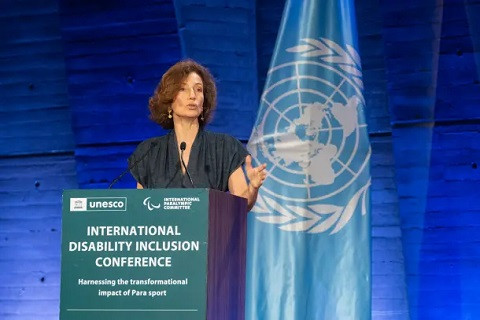 Paris 2024: UNESCO and the International Paralympic Committee Call for Greater Investment in Disability Inclusion 30 August 2024 On the eve of the Paris 2024 Paralympic Games, UNESCO and the International Paralympic Committee (IPC) have brought together international decision-makers to draw up a roadmap for increasing the inclusion of persons with disabilities in sport and across all areas of society. Last update: 29 August 2024 After hosting the Paralympic Torch Relay at UNESCO headquarters, Audrey Azoulay, the Organization's Director-General, joined Andrew Parsons, President of the International Paralympic Committee and Ministers from 28 countries, alongside Paralympic athletes and para-sport and education specialists, to assess global progress towards inclusion and come up with concrete solutions. "The Paralympic Games are the pinnacle of para-athletic prowess – a source of inspiration to us all. We must capitalize on the momentum of the Paris 2024 Games, to drive change: UNESCO calls on its Member States to build more robust polices, train teachers, and step up investments to boost the inclusion of people with disabilities. It is up to us to change our policies, adapt our infrastructure and ensure fair and equitable portrayals if we are to move towards a more constructive, more open, more inclusive society."Audrey Azoulay (UNESCO Director-General) Over 15% of the world’s population lives with a disability. They face a range of barriers to practicing sport and accessing quality physical education including a lack of specialized capacity in the workforce, and a lack of adequate transportation and sporting infrastructure. Persons with disabilities are also under-represented in the media, who often lack the capacity to report representatively – whether on para sport or on disabilities more broadly – and to produce accessible content. Recent UNESCO research shows the work to be done for physical education in particular. The Organization’s Global Status Report on Quality Physical Education published in July this year revealed that 1 in 3 disabled students have no access to physical education, and only a third of schools surveyed offer adapted infrastructure to support inclusion. UNESCO provides a framework for policy makers to accelerate inclusion in sport, education, media and beyond, and is supported by range of tools and activities, including inclusion-training for teachers and coaches and global surveys to collect more data on disability and sport. UNESCO works to promote social inclusion in the domains of science, culture, education and the media. The UNESCO-IPC Call to Action makes several key policy recommendations, including: IMPROVE ACCESS: Ensure access and opportunities for persons with disabilities to participate in Para sport and physical activity from grassroots to high performance. INFRASTRUCTURE: Provide access to safe, inclusive, affordable, accessible, and sustainable sport and recreation infrastructure for all. Promote and ensure access to affordable assistive technology, and accessible information services and media content to support the participation of persons with disabilities in sport. INCLUSIVE EDUCATION: Increase budgetary allocations to ensure equal access to education, including physical education, and strengthen training of teachers and coaches to support inclusion and fight discrimination. MEDIA INCLUSION: Encourage policy and decision-makers as well as editors, reporters, content producers, technical staff and managers in media institutions to integrate the principles of diversity, equality and inclusion in management practices into their employment and working practices. DATA COLLECTION: Support and invest in expanding existing data collection mechanisms for sport, physical education and physical activity to include disability-specific data. URL: https://www.unesco.org/en/articles/paris-2024-unesco-and-international-paralympic-committee-call-greater-investment-disability
 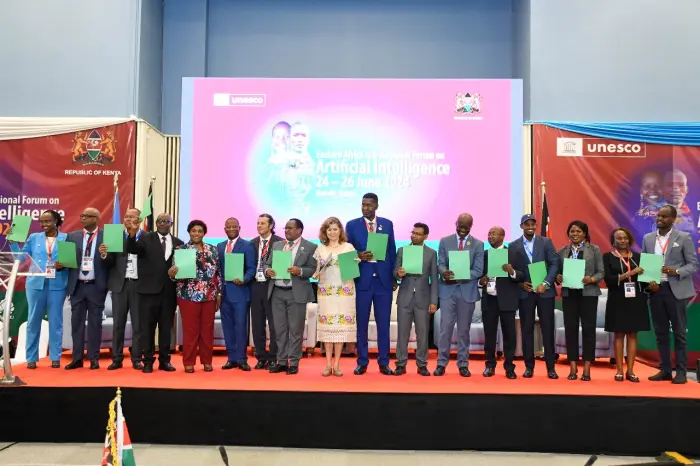 Forum sous-régional de l’UNESCO sur l’intelligence artificielle en Afrique de l’Est : adoption de la Déclaration de Nairobi 29 August 2024 The ministers responsible for education, ICT, the digital economy, emerging technologies, communication and innovation in the countries of East Africa have adopted the Nairobi Statement on Artificial Intelligence and Emerging Technologies in Eastern Africa , at the end of the UNESCO-Eastern Africa Sub-Regional Forum on Artificial Intelligence , held from 24 to 26 June 2024 in Nairobi, Kenya. Co-organised by UNESCO and the Kenyan government, the theme of the UNESCO-Eastern Africa Sub-Regional Forum on Artificial Intelligence (EARFAI) was ‘‘Harnessing Artificial Intelligence for sustainable development in Eastern Africa: Governance, Ethics, Capacities, and Partnerships’’. High turnoutA number of key figures attended the EARFAI, including the ministers responsible for education, ICT, the digital economy, emerging technologies, communication, science and innovation and their representatives from Comoros, Djibouti, Kenya, Madagascar, Mauritius, Seychelles, Somalia, South Sudan and Uganda, as well as UNESCO's Assistant Director-General for the Social and Human Sciences (ADG/SHS), Ms Gabriela Ramos, representing the Director-General of UNESCO. The Forum was also attended by UNESCO experts, experts in artificial intelligence from East Africa and beyond, academics and researchers, industrialists and partners from various sectors, representatives of civil society, etc. The Forum brought together around 400 face-to-face participants and up to 850 online participants. EARFAI was structured around three main segments: the Expert Segment, on 24 and 25 June 2024; the Partnerships Forum, on 25 June 2024; and the High-Level Segment, on 26 June 2024. Parallel events (Exhibitions, “Women for Ethical AI” Networking Session; Workshop on AI Kiswahili-English Dictionary - “Inside AI: an algorithmic adventure (Ndani ya AI - Ziara ya Algorithi) were also organised. During the opening ceremony of the high-level segment, Ms Gabriela Ramos, UNESCO’s ADG/SHS, underlined the timeliness of the organisation of the Forum, particularly in the context of the completion of the first RAM in East Africa by Kenya, and also reinforced the relevance of the African voice in the ongoing negotiations on the Global Digital Compact. H.E. Amani Abou-Zeid, Commissioner for Infrastructure and Energy of the African Union Commission (AUC), welcomed, via video message, UNESCO's support in the development of the AU's continental strategy on AI and highlighted its relevance to the achievement of the AU's Agenda 2063. H.E. (Dr) Ezekiel Machogu, EGH, Cabinet Secretary for the Ministry of Education of Kenya highlighted the critical role AI plays in the education sector and shared the strategies in place in Kenya to harness the power of AI to improve learning, foster innovation and ensure inclusivity. “UNESCO has been your most important supporter in leveraging the African voices on AI to the global discourse. With the Recommendation on the Ethics of Artificial Intelligence, we pushed for a global standard on AI – and the outcome represents YOUR collective voice. We are pushing hard for this standard to make it count in all major AI governance processes”.Gabriela Ramos, UNESCO Assistant Director-General for Social and Human Sciences "Integrating artificial intelligence into education is not just an opportunity, it's an imperative. As we enter this new era, we must work collaboratively with policy makers, educators, technologists and the wider community to ensure that AI is at the service of quality education."H.E. (Dr) Ezekiel Machogu, EGH, Minister of Education of Kenya HE. Peter K. Ngure, Ambassador and Permanent Delegate of the Republic of Kenya to UNESCO, presented the Nairobi Statement on Artificial Intelligence and Emerging Technologies in Eastern Africa , before its adoption by consensus and thanked UNESCO for choosing Kenya to host EARFAI, as well as all the panellists for their contributions to the proceedings. In particular, the Declaration approved the African Union Continental Strategy on Artificial Intelligence, welcomed the implementation of Readiness Assessment Methodology (RAM) in East Africa and called for the establishment of a coordination mechanism in East Africa to support the implementation of the UNESCO recommendation on the ethics of AI. In her closing speech, ADG/SHS Gabriela Ramos thanked all those who had contributed to the Forum's success, in particular the Kenyan government. URL: https://www.unesco.org/en/articles/unesco-eastern-africa-sub-regional-forum-artificial-intelligence-adoption-nairobi-statement
 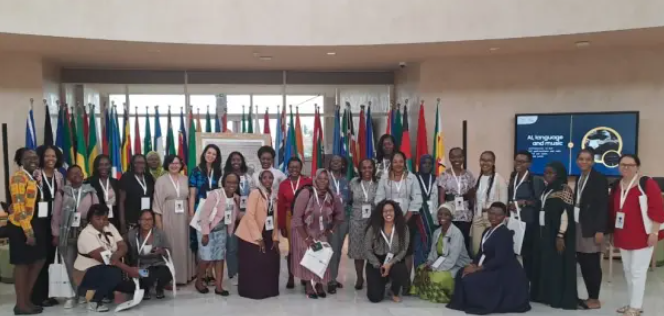 Ai movement, launches its second Summer Camp of the "African Women in Tech & AI Program" in Rabat 29 August 2024 As part of Priority Africa (Flagship Program 4 of its operational strategy) aims to reduce the digital divide on the continent and meet the challenges of inclusion for African women. Second Cohort: Launch of the "Summer Camp"The in-person training, or summer camp, for the second cohort of the "African Women in Tech and AI" project, which aims to strengthen the capacities of African women entrepreneurs in artificial intelligence (AI) and AI-applied leadership, will take place from 1 to 13 July 1, 2024, at the International Artificial Intelligence Center of Morocco, "Ai Movement," in Rabat. The training programme of the summer camp will cover topics such as strategic foresight applied to AI, AI project management, leadership, development of start-up projects, benchmarking, and market research in Africa, benefiting nearly 80 women scientists from 28 countries across the five regions of the African continent. At the conclusion of the summer camp, participants will have the opportunity to present their entrepreneurial projects to a panel of professionals from Ai Movement, the OCP Foundation, and UNESCO. This panel will select the projects that will receive incubation and financial support from the OCP Foundation, with approximately 15 projects to be selected for the 2024 cohort. This summer camp was preceded by a six-week online training programme in the spring of 2024, which was followed by the same 80 women scientists. This online training covered topics such as data science, programming languages (deep learning and machine learning), and AI ethics. The 80 participants for the 2024 cohort were selected with the support of the African Permanent Delegations to UNESCO and the African National Commissions for UNESCO. Participants will subsequently join a network of innovators sharing values oriented towards sustainable and inclusive development for the continent. First Cohort: Pilot PhaseDuring the pilot phase of the project in 2023, 34 women scientists from 11 African countries benefited from training and support, including an online training course and a summer camp at the Ai Movement Center in Rabat, Morocco. Eight entrepreneurial projects were selected with the support of the OCP Foundation, Ai Movement, and UNESCO's Priority Africa and External Relations Sector. These eight projects are currently being incubated at the Ai Movement Center, highlighting the spirit of innovation among African women. Background of the projectThe "African Women in Tech and AI" project was officially launched in 2023 and is jointly implemented by UNESCO, the Ai Movement Center of the Mohammed VI Polytechnic University, and the OCP Foundation. The project is funded by the OCP Foundation for a total amount of 500,000 USD and will span over a period of three years (2023-2025). This innovative initiative is implemented as part of UNESCO's Operational Strategy for Priority Africa (2022-2029), specifically its Flagship Programme 4, which focuses on "New and Emerging Technologies for Sustainable Development in Africa”, with a particular focus on the following key objectives: (1) Improve the capacity of African countries in the adoption and implementation of artificial intelligence (AI), and (2) Strengthen gender equality in the design and use of AI systems. It also aligns with UNESCO's Recommendation on the Ethics of Artificial Intelligence. The project aims to strengthen AI, data science, AI-applied leadership, and AI ethics skills for 150 African women professionals, while raising awareness on the strategic foresight approach to artificial intelligence. Through their scientific training and technological expertise, these women will be supported in developing AI-based solutions and projects that will transform their communities and address challenges and issues specific to the continent in sectors such as agriculture, health, education, social security, cybersecurity, renewable energy, animal health, finance, employment, and culture. These efforts will align with the United Nations Sustainable Development Goals and the aspirations of the African Union's Agenda 2063, "The Africa We Want." The "African Women in Tech and AI" project is the first project developed under the financial and strategic partnership agreement signed in July 2022 between the International Artificial Intelligence Center of Morocco, Ai Movement, and UNESCO's Priority Africa and External Relations Sector. In November 2023, the Ai Movement Center was officially designated as a Category 2 Center under the auspices of UNESCO, the first of its kind in Africa. URL: https://www.unesco.org/en/articles/ai-movement-launches-its-second-summer-camp-african-women-tech-ai-program-rabat
 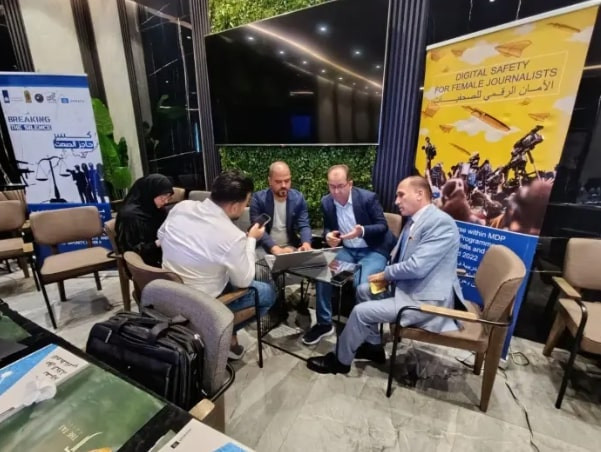 UNESCO Trains Iraqi Trainers on Ethics of Artificial Intelligence 29 August 2024 UNESCO Iraq Office completed a series of specialized training course for a National Team of Trainers. The course started in Erbil and continued for three days in Baghdad, from July 4 to 6, 2024. The aim was to prepare trainers and empower them with the skills to use Artificial Intelligence (AI) tools to monitor violations and abuses against journalists and influencers in the virtual and digital space. During the course, trainees received instructions on monitoring, documentation, and reporting mechanisms, based on the "AI Journalism Teachers' Guide 2024" recently published by UNESCO in Paris. Iraq is the third country in the world to train its journalists on these modern technologies. The course included training on leading daily smart applications through the "Digital Reporting Platform for Iraqi Female Journalists," which expanded with funding from the Dutch Embassy to include monitoring freedom of expression indicators. This initiative was supported by the Belgian company "AI Horizon Touch." Equipped with these AI competencies, the trainees are be able to integrate the real and digital worlds to monitor, document, and report violations via the UNESCO platform. UNESCO is awaiting the completion of linking the digital platform with advanced AI algorithms, which will enable it to process reports and convert them into informational data that feeds into the periodic, thematic, and emergency reports of the United Nations related to freedom of expression, journalist safety, and media development in Iraq. URL: https://www.unesco.org/en/articles/unesco-trains-iraqi-trainers-ethics-artificial-intelligence
  ‘Artificial Intelligence for Equity in Education’ drives UNESCO and 11th Equitable Education Alliance event in Asia-Pacific 29 August 2024 Regional webinar stresses how collaboration among educators, policy-makers, and technology developers is key to attaining equity in education with AI initiatives. The UNESCO Regional Office in Bangkok (UNESCO Bangkok), in collaboration with the Equitable Education Fund (EEF) of Thailand, organized the webinar, ‘Artificial Intelligence for Equity in Education’ (‘AI for Equity’), to delved into the transformative potential of artificial intelligence in revolutionizing educational practices – expressly to ensure equitable access to education and related opportunities for all students in Asia and the Pacific. The AI for Equity webinar, which engaged well over 1,200 participants, was facilitated by Dr Romora Edward Sitorus, Head of Evaluation, Research, Dissemination and Advocacy, of the Project Management Office (PMO) of Kartu Prakerja, Indonesia. The webinar featured presentations by three experts currently working with AI-driven learning platforms, or engaged with AI issues such as AI literacy and the critical importance of teaching the responsible use of AI in all educational contexts: Sajid Ali Anjum, Chief Technology Officer at Knowledge Platform; Asst. Prof. Ben Leong, Director of the AI Center for Educational Technologies (AICET), Singapore; and Pam Vachatimanont, Director of Operations and Partnerships for the non-profit AI and education advocacy platform, TeachAI. Closing remarks for the webinar were provided by Mr Ilja Riekki, Junior Professional Officer, Education Section of UNESCO Headquarters, Paris. In his opening remarks, Dr Sitorus emphasized the vast potential of AI to revolutionize education by increasing access to quality education through virtual tutors, the creation of multilingual content, and the streamlining of operational processes – thus allowing educators to focus more on teaching. He shared the successful implementation of AI in Indonesia’s Prakerja platform, highlighting the platform’s capacity to provide personalized training, job recommendations aligned with students’ completed training, and AI-driven ‘liveness’ checks. One of the overarching strengths of the webinar was its discussion of dynamic AI tools already blazing new trails for teaching in the region. In underscoring the critical shortage of qualified teachers in many contexts, Asst. Prof. Leong discussed how AI could assist the education sector with AI-driven programming ‘coaches’, such as ‘Codavari’, a tool providing access to quality learning support for students who might be lacking access to traditional classroom instruction. Another such AI platform introduced by Professor Leong was ‘Cikgo’, an AI tool developed by the AI Center for Educational Technologies (AICET), Singapore, which is designed to personalize learning experiences for students by adapting to their individual needs. He stressed that the goal of AI should be to support teachers and enhance their capacity to manage larger classes effectively. Mr Sajid Ali Anjum shared similar insights into the benefits of AI for personalized learning and content creation. He discussed how certain resources such as ‘Knowledge Platform’ are already serving millions of learners by providing AI-driven personalized learning paths and content creation tools. Anjum shared a case study from Pakistan, where the implementation of AI-driven personalized learning recently led to a substantial improvement in student performance. In a pilot program involving 75 schools and 26,000 learners, the personalized learning approach resulted in a 60 per cent improvement in student scores. Ms Pam Vachatimanont focused on AI literacy and its importance in bridging the digital divide, emphasizing that AI literacy should encompass an understanding of how AI works, what constitute its societal impacts, and how it is to be used responsibly. She shared examples of initiatives at the youth-serving NGO Prestasi Junior Indonesia, and Kyungpook National University (KNU), South Korea, which have successfully integrated AI literacy into their educational frameworks for a balanced and informed use of AI. For instance, aiming to foster responsible use of technology among students, Prestasi Junior Indonesia developed a STEM education programme which includes AI and machine learning courses. Similarly, KNU’s AI Convergence Education major equips future teachers with the knowledge to design AI-integrated curricula and teach AI literacy. These initiatives ensure that all students, regardless of their background, have the opportunity to learn about and benefit from AI technologies. The session concluded with a Q&A session and closing remarks offered by Ilja Riekki, Junior Professional Officer, who specializes in Youth Literacy and Skills Development for the Education Section of UNESCO Headquarters. Riekki introduced the UNESCO Global Skills Academy, which aims to enhance employability and resilience by providing digital skills training as a solution to bridge the skills gap. He shared information about the academy's digital skills offerings and extended an invitation to World Youth Skills Day 2024 (15 July) event, which focused on AI skills for the future of work. Re-watch the session here. For more information: Use of AI in education: Deciding on the future we want Generative AI and the future of education How generative AI is reshaping education in Asia-Pacific Youth Skills for Peace and Development Equity Ed Hub #EquitableEducation #FutureOfEducation URL: https://www.unesco.org/en/articles/artificial-intelligence-equity-education-drives-unesco-and-11th-equitable-education-alliance-event
  AI literacy and the new Digital Divide - A Global Call for Action 29 August 2024 For everyone to benefit from the rapid advances in AI, we need to bridge the AI literacy gap. Here are the policy actions leaders can take to address this new digital divide. Author: Susan Gonzales, former tech exec and founder & CEO of AIandYou, a U.S.-based nonprofit educating marginalized communities about artificial intelligence. Member of the U.S. National AI Advisory Committee and National Institute of Science (NIST) AI Safety Consortium Preparing for the FutureThe rapid advancements in artificial intelligence (AI) have widened the digital divide, creating what is now known as the AI divide. This divide represents the unequal access, benefits, and opportunities in AI technology across various regions, communities, and socioeconomic groups. The most marginalized communities—women, people of color, disabled individuals, LGBTQ+ persons, and others—bear the brunt of this divide. To bridge this gap, embracing and promoting AI literacy is paramount. Understanding the basics of AI is essential for everyone to thrive in this rapidly evolving landscape. The Challenge of Fear and CuriosityFear is a significant barrier to AI literacy. Many people are apprehensive about AI, as evidenced by a recent survey across 31 countries, in which nearly equal numbers of adults reported being nervous (52%) and excited (54%) about AI products and services. This fear often overshadows the natural curiosity and excitement that new technologies typically generate. To overcome this challenge, it is crucial to provide accessible and relatable AI education that addresses these fears and stimulates curiosity. The Impact on Marginalized CommunitiesStudies indicate that AI's increasing prevalence differs from the same levels of understanding and awareness, particularly in underrepresented groups. Fear of AI-biased outcomes and negative impacts of AI are stifling the interest in understanding how to use the technology to improve lives. This gap is evident in the workforce, where women are more likely to be exposed to AI-related job changes yet face a significant skills gap compared to men. Recently, the office of the Governor of California in the U.S. held focus groups on AI in the community and asked, “Are you concerned AI will impact your job?” The reply: “I don’t know, should I be?” This response reflects the problem. Few people understand the impact of AI on everyday life. This disparity underscores the urgent need for targeted AI literacy programs to support these vulnerable groups. The Role of Global LeadersGlobal leaders have a critical role in promoting and encouraging AI literacy, and we need them to spearhead efforts to develop and implement local educational programs. Programs tailored to local communities can help them prepare for the opportunities and changes coming with AI. The key is teaching AI basics to create a foundation of understanding, decreasing fear, and increasing curiosity, as noted in the diagram above. Here are vital actions leaders can take: Resource Allocation: Identify and allocate resources to local, trusted nonprofits and educational institutions. These organizations can deliver AI literacy programs tailored to their communities' specific needs and contexts. Local Engagement: Encourage community-driven initiatives that promote AI literacy. Trusted local sources are more effective in dispelling fears and building understanding than impersonal online resources. Technology product-focused online AI literacy may prove ineffective due to a lack of trust. Community-driven AI literacy initiatives are critical. Inclusive Education: Ensure that AI literacy programs are inclusive and accessible to all, particularly marginalized groups. This includes creating materials in multiple languages and formats to accommodate diverse learning needs. Collaborative Efforts: Create partnerships between governments, tech companies, educational institutions, and community organizations. Collaborative efforts can amplify the reach and impact of AI literacy programs. Continuous Learning: Promote a culture of constant learning and adaptation, beginning with AI basics. As AI technology evolves, so should the educational programs to keep communities informed and prepared for the future. Advancing AI literacy globally is a vital step towards closing the digital divide. It involves equipping individuals with essential AI skills, such as understanding how to find a job using AI, how to use Generative AI responsibly and effectively when writing an essay, how to manage a small business with new AI tools, and AI risks to avoid. Call to Action Leaders and policymakers: Develop comprehensive strategies to support AI literacy at the local level. Educational institutions and nonprofits: Create and disseminate accessible AI literacy programs tailored to community needs. Tech companies: Partner with community organizations to provide resources and expertise for easy AI education driven by the community. Communities: Actively learn about AI and advocate for resources to support local AI literacy initiatives.By working together, we can bridge the AI divide and ensure that everyone has the opportunity to thrive in an AI-driven world. Have you talked about AI literacy for the community with your leadership? The ideas and opinions expressed in this article are those of the author and do not necessarily represent the views of UNESCO. The designations employed and the presentation of material throughout the article do not imply the expression of any opinion whatsoever on the part of UNESCO concerning the legal status of any country, city or area or of its authorities, or concerning its frontiers or boundaries. URL: https://www.unesco.org/en/articles/ai-literacy-and-new-digital-divide-global-call-action
 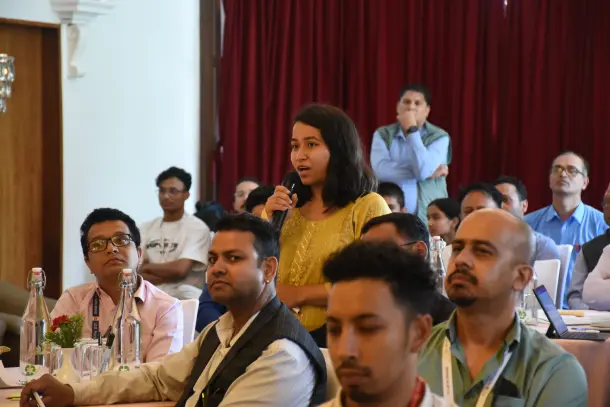 Key Nepali Stakeholders Provide Recommendations and Directions for Integrating AI in Education in Nepal 29 August 2024 UNESCO Office in Kathmandu organized a broad stakeholder consultation on AI in Education in Nepal. More than eighty diverse stakeholders gathered to explore the transformative potential of artificial intelligence (AI) in the education sector, aligning with UNESCO's mission to promote inclusive and equitable quality education for all. Globally, AI is revolutionizing the education system with its power to personalize learning experiences and address disparities in access to knowledge. For a country like Nepal, which is making strides in ensuring quality education for all, advancing AI in education is increasingly important and relevant. The consultation marks a crucial step for Nepal’s education system. By integrating AI, Nepal aims to prepare its students for a future where technology and education go hand in hand, ensuring that advancements contribute to closing the education gap and promoting lifelong learning. "Challenges such as data quality, accuracy, user competency, and AI ethics persist. With the rapid pace of ICT development globally, we must adapt to stay competitive. Integrating AI into our education curriculum to meet our needs and enhance our capacity to tackle future challenges is essential. This consultation will be invaluable in further improving the ICT in Education Masterplan." Baikuntha Prasad Aryal, Joint Secretary, Planning Division, Ministry of Education, Science and Technology The consultation brought together key stakeholders, including government officials, educators, tech experts, and students, to discuss AI’s role in Nepal’s education system. Together, they identified opportunities and challenges to effectively integrate AI into education, guided by UNESCO’s comprehensive "Artificial Intelligence and Education: Guidance for Policymakers." Mr. Fengchun Miao, Chief of the Unit for Technology and Artificial Intelligence in Education at UNESCO, joined virtually to present UNESCO's global initiatives. Through the presentation, participants were informed about the opportunities, challenges, and implications of integrating AI in education. Mr. Miao further shared impactful and effective examples of UNESCO’s work on AI globally to set the ground before the participants delved into discussions and presented their opinions. The goal was to engage in a meaningful dialogue about the future of AI in education within the context of Nepal, ensuring that all perspectives are considered in shaping an inclusive and equitable educational framework integrating technology. Through a series of participatory approaches, participants provided insightful recommendations and opinions regarding priority areas in Nepal, the roles and support of relevant stakeholders, including the government, in integrating AI into education, emphasizing the need for inclusivity and accessibility, as well as the importance of robust policies and regulations. These insights will help develop strategic action plans in partnership with the Ministry of Education to foster an inclusive, AI-enhanced educational framework in Nepal. "We all understand why we need to talk more about AI, especially in education, but also it is time for a structured approach to that conversation. Today your inputs will help set the foundation for a more informed approach moving forward, with a view to putting in place strategies and sequence." Michael Croft, UNESCO Representative to Nepal Through collaborative discussions, stakeholders recommended strategies for integrating AI in education, promoting inclusivity, and developing policies to regulate AI use. This consultation aims to lay the foundation for strategic action plans that will transform Nepal’s education system, preparing students for a rapidly evolving digital world. This consultation marks a critical step towards harnessing AI's potential to enhance educational outcomes in Nepal. URL: https://www.unesco.org/en/articles/key-nepali-stakeholders-provide-recommendations-and-directions-integrating-ai-education-nepal
  AI and Brazil’s Indigenous Populations: A Call for Participation 29 August 2024 AI impacts everyone, but marginalized groups – and particularly indigenous voices – are not sufficiently represented in debates about the technology and its governance.Authors: Edson Prestes, Institute of Informatics Federal University of Rio Grande do Sul, Brazil and lead RAM expert for Brazil Lutiana Valadares Fernandes Barbosa, Federal Public Defender's Office, Brazil Viviane Ceolin Dallasta Del Grossi, Federal Public Defender's Office and University of São Paulo Law School, Brazil Cynthia Picolo Gonzaga de Azevedo, Laboratory of Public Policy and Internet - LAPIN, Brazil Gustavo Macedo, Institute of Advanced Studies, University of São Paulo, Brazil Renan Maffei, Institute of Informatics, Federal University of Rio Grande do Sul, Brazil IntroductionArtificial intelligence (AI) is increasingly present in almost all aspects of human life and can potentially impact the global community in different ways. Several groups affected by AI are not represented in teams developing these technologies, or the standards or legislative processes that govern them. This is the case for indigenous and traditional communities, such as quilombos. These relevant voices, traditionally silenced by prevailing dynamics of power, remain at the margins of the AI revolution without having their values, customs, and traditions embedded in those AI systems, severely compromising the exercise of their rights and, consequently, democracy as a whole. Indigenous peoples and traditional communities not only have the right to be involved in the debates about AI development and regulation, but their participation is also essential to ensure that the diversity of human beings and communities is reflected in AI systems and governance. The lack of participation risks maintaining or worsening discriminatory structures that are already being reproduced in AI-based systems, which could lead to the replication of this discriminatory bias in government strategies, public policies and other areas. This paper claims a reflection for an inclusive decolonial artificial intelligence, in line with UNESCO´s Recommendation on the Ethics of AI, on the urgent need for a global effort to include diverse voices in AI debate and governance. Brazil, Indigenous Peoples, and AIAccording to the Brazilian Institute of Geography and Statistics (IBGE), in 2022, the number of indigenous people living in Brazil was 1,693,535. Although Portuguese is the official language, there are 274 indigenous languages in Brazil that are not considered official languages, according to Article 13 of the Brazilian Constitution. With a significant indigenous population, these groups are still not fully represented in decision-making processes, even with the election of an indigenous federal deputy in 2022 and the creation of a Ministry of Indigenous Peoples in 2023, for example. Such a problem is no different in the debates involving AI development and regulation. This is particularly concerning as traditional populations often have diverse cosmovisions that must be considered in such discussions, or their democratic representation and legitimacy are at risk. The current processes for developing public policies and the future law for AI in Brazil exemplify the silencing of these voices. Today, Brazil has a National AI Strategy (EBIA, 2021) and a main bill under discussion that intends to regulate the development and use of AI in the country - Bill n. 2338/2023 (PL2338, 2023). The Brazilian AI Strategy, launched in 2021 by the Ministry of Science and Technology, represents a major milestone in the national public policy strategy. It was developed through a complex process involving specialized consultancy, national and international benchmarking, and public consultation. Although the team behind the drafting of this Strategy was balanced in terms of the number of men and women, racial and cultural diversity and the participation of traditional people, such as indigenous people, were not considered. The result of the lack of representation is clear: there is no mention of indigenous peoples in the document. Likewise, discussions about AI in the Brazilian National Congress have not consistently included traditional groups. Mainly since 2021, Brazilian parliamentarians have been debating the regulation of AI, holding public hearings and creating special commissions, but maintaining the deep-rooted silencing of historically excluded voices. It is worth mentioning that the only participation of an indigenous person in a public hearing was possible thanks to the efforts of the organized civil society. In October 2023, two years after the parliamentary discussions began, Time’i Assurini, from the Xingu region, State of Pará, expressed his concerns about the advancement of AI before the Federal Senate. In the context of raising awareness about the democratic relevance of participation of indigenous peoples in AI debates, the National School of the Federal Public Defender´s Office, through its research group Ethics, Human Rights and Artificial Intelligence (EDHIA), in dialog with the Brazilian Conference at Harvard University, held in April 2023 the event Invisible Voices and AI in which Time’i Assurini discussed the relevance of indigenous participation. In 2023, our group, under the leadership of Professor Edson Prestes, was invited by UNESCO to apply the Readiness Assessment Methodology in Brazil, which is a tool of the Recommendation on the Ethics of Artificial Intelligence to assess a state’s readiness to implement AI ethically and responsibly to benefit all their citizens. The research group conducted public hearings and provided recommendations. In the call for the public hearings, a great effort was made to foster the participation of traditionally silenced voices, and representatives of the indigenous and Quilombola communities. Despite the nascent effort, Brazil, through government, academia, civil society, and the private sector, has a long path to foster and ensure the participation of indigenous, Quilombola, and other communities in AI regulatory debates, standards and system development. By a very illustrative example, the way in which the registration of artisanal and traditional fishers has been conducted and demanded violates ILO Convention 169 on Indigenous and Tribal Peoples. The criminalization and marginalization of vulnerable groups can be seen in the implementation of measures to modernize means of work, with exclusionary policies that disregard the organizations of artisanal fishermen and fisherwomen in the debate on the re-registration of fishing communities. Among the various obstacles to re-registration using SisRGP 4.0, the issue of facial recognition deserves attention. This system does not recognize the artisanal fishing population, made up of people from different ethnic groups, especially quilombolas and indigenous people, confirming a flagrant violation of access to rights on the grounds of race, a posture of institutional racism, which cannot be tolerated in a democratic state. In this context, in November 2022, the Federal Public Defender's Office recommended to the Brazilian Government, among other measures: That the Federal Government changes the applications for providing services, removing the requirement for facial recognition, among other changes to meet the broad access of Brazilian Traditional Communities to the exercise of rights; That the Federal Government implements and observes the UNESCO recommendation for "Ethical Uses of Artificial Intelligence". (NOTA TÉCNICA Nº 6 - DPU 2CATDF/GDPC 2CATDF/DRDH DF) AI and Indigenous Peoples International FrameworkIn terms of international frameworks, in November 2021, all UNESCO's Member States signed the Recommendation on the Ethics of Artificial Intelligence, the first global soft law normative instrument on AI. This document reinforces the importance of inclusive participation on AI-related issues, stressing that Member States should implement policies to promote and increase diversity and inclusiveness that reflect their populations in AI development teams and training datasets. UNESCO has also released a report entitled Indigenous Peoples: Perspectives from Latin America and the Caribbean, which provides recommendations for multiple stakeholders on how to implement its Recommendation on the Ethics of AI with a focus on indigenous peoples. Nonetheless, the report does not address the Brazilian situation and only cites Brazil while providing a list of indigenous organizations. As per the right to self-determination and autonomy, the United Nations Declaration on the Rights of Indigenous Peoples highlights in its articles 4 and 19 that states have the duty to “consult and cooperate in good faith with the indigenous peoples concerned through their own representative institutions in order to obtain their free, prior and informed consent before adopting and implementing legislative or administrative measures that may affect them”. The International Labor Organization Convention, 1989 (n. 169) also declares indigenous peoples' right to previous and informed consultations when states take measures that can affect them. Based on these considerations, the principle of democratic participation, present in the above-mentioned instruments, is a corollary of democratic states based on the rule of law and human rights. It requires the possibility of individuals and communities being able to effectively participate in state choices and public policies, which can occur either directly or indirectly, for example, by voting, participating in public consultations, and other decision-making spaces. For the development and use of AI not to violate or threaten the principle of democratic participation, it is necessary to foster and ensure effective participation. AI systems can empower and strengthen the voices of these communities but, without adequate safeguards, might also be used as another tool of oppression, reproducing colonial patterns of dominance. At the event UNGPs lens to managing human rights risks from Generative AI - Forum on Business and Human Rights 2023, the panelist Mohamad Najem raised the issue about the Western data languages of Generative AI. In his words, from the point of view of the global South, or global majority, there is a lot to be done; for example, AI and generative AI are trained mainly on Western data languages (mainly English), thus some of these models might be missing the context of the global majority region. At the Invisible Voices and Artificial Intelligence event organized by the Brazilian Federal Public Defender in April 2023, the indigenous leader Time’i of the Awaete people said: "I, Time'i, try to seek dialogue. Because we have always been in our territory, and suddenly many different people begin to arrive with tractors and other materials with the task of destroying the forest and rivers, but not only that... . also polluting people's minds with false illusions. Today, human desire is something that we cannot control. (...) We, indigenous people, who do not speak Portuguese, are suffering, and deforestation continues. There is so much digital technology, but for what and for whom? What are we building with this? We want a tool that will strengthen us, that guarantees the forest remains standing. We don't just want to keep reporting that the forest is ending, otherwise we will never safeguard our memory. (...) Unfortunately, [after contact with non-indigenous peoples] the disease began to reach us in different ways - the disease that was not part of our people. We always had the cure within our territory, but with the arrival of technology in these years, a fragile relationship was created… A culture, a tree, a river, it lasts for centuries, but today, they are threatened by various types of aggression such as mining, logging, and also new ideas... Our science has always worked, but now that a new type of digital technology is coming in, they are getting confused. Our [indigenous and non-indigenous] sciences are important. And often these two sciences do not come together because they are arguing over who is more, who is God. We are not God, we are people." Final Considerations: A Call for Making Invisible Voices HeardOnly a plural, diverse, and inclusive AI has a place in a democratic society. Diversity is one of the main principles supporting innovation and social resilience. Social resilience is also promoted by decentralization, i.e., the implementation of AI technologies adapted to the cultural context and particular needs of different regions. Therefore, when regulating AI, the perspective of traditional communities must be taken into account, as it is widely guaranteed in international human rights declarations, combating any form of discrimination and, above all, ensuring and promoting effective participation in the processes of developing and using AI. Brazil, like many other countries in the global South, is debating AI and how to regulate it. However, it is necessary to reflect from a decolonial perspective on the mechanisms of power that surround the development, use and regulation of AI, so that adopted practices and future legislation take into account the values and dynamics of global diversity, thus preventing technical and governmental processes from reproducing mechanisms of domination of the global North that silence, even if as a side effect, the global South. Brazil is a multicultural nation that carries with it the values of ethnic multiplicity. It needs to take into account indigenous and other traditional communities. Adopting foreign technology and imported regulations could lead to new forms of dependence and technological colonialism that will silence all the voices that matter and deserve to be heard in the debate. The ideas and opinions expressed in this article are those of the author and do not necessarily represent the views of UNESCO. The designations employed and the presentation of material throughout the article do not imply the expression of any opinion whatsoever on the part of UNESCO concerning the legal status of any country, city or area or of its authorities, or concerning its frontiers or boundaries. URL: https://www.unesco.org/en/articles/ai-and-brazils-indigenous-populations-call-participation