
Resources
Explore a wide range of valuable resources on GCED to deepen your understanding and enhance your research, advocacy, teaching, and learning.
8,364 Results found
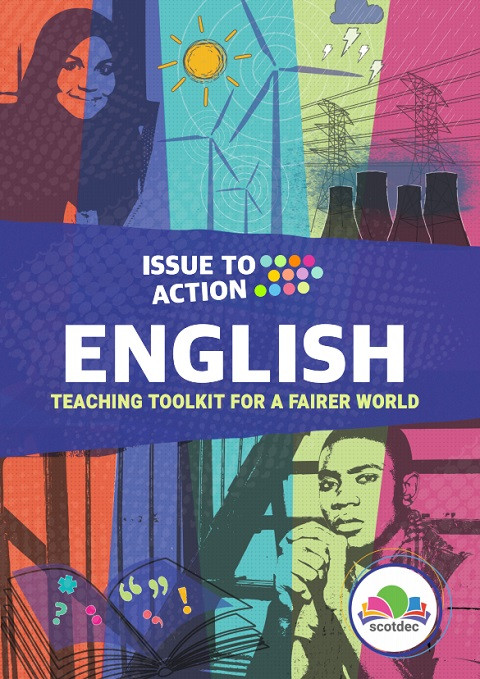 Issue to Action: English; Teaching Toolkit for a Fairer World Year of publication: 2020 Author: Stephanie Flett | Lesley Bloomer Corporate author: Scotdec | European Union (EU) These materials were created by English teachers in Scotland. The first activity introduces the need to hear multiple stories of the world and our place in it. There then follows three units with a focus on climate change, refugees and how we engage with the ‘other’. They include short introductory activities as well as a series of lessons exploring the topics in more detail. A range of stimuli is included – poetry, biography, images and film clips. All activities are mapped to Curriculum for Excellence benchmarks and reference the relevant SDG.
  Strengthening Kazakhstan's Education Systems: An Analysis of PISA 2009 and 2012 Year of publication: 2014 Author: Keiko Inoue | Lucas Gortazar Corporate author: World Bank This report is the result of the World Bank's education sector providing technical and analytical support to the Government of the Republic of Kazakhstan (RK) from 2013 to 2015 under the leadership of Keiko Inoue (Senior Education Specialist, Europe and Central Asia Region, World Bank) as part of the Joint Economic Research. This report is also part of a series of PISA country reporting programs prepared by the Education Sector for the Europe and Central Asia Region, and it is also the second World Bank report on the effectiveness of the education system in Kazakhstan based on an analysis of PISA data.
 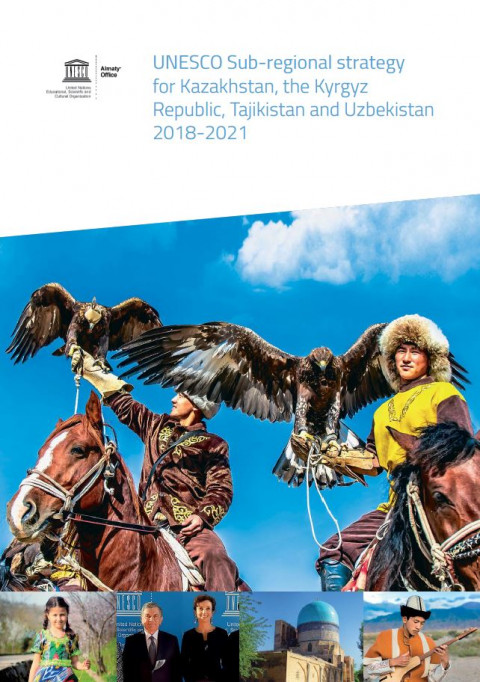 UNESCO Sub-regional Strategy for Kazakhstan, the Kyrgyz Republic, Tajikistan and Uzbekistan 2018-2021 Year of publication: 2019 Corporate author: UNESCO Almaty This document represents the strategic framework for UNESCO’s interaction with the governments and civil societies of Kazakhstan, the Kyrgyz Republic, Tajikistan and Uzbekistan, with other UN agencies and development partners aimed at responding most effectively to the development needs, priorities and aspirations of countries.
  [Video] Central Asian Kids Share Their Views on Gender Inequality Year of publication: 2020 Corporate author: World Bank In Central Asia, and around the world, women earn 30% less than men. In anticipation of March 8, we asked the children what they think about it.
 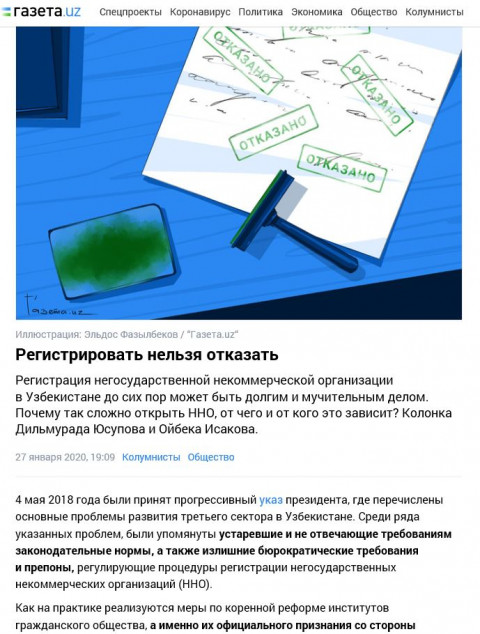 Registration or Block? Year of publication: 2020 Author: Dilmurod Yusupov | Oybek Isakov Registration of a non-governmental non-profit organization in Uzbekistan can still be a long and painful affair. The article discusses why it is so difficult to open an NGO, what and whom it depends on.
  Teach the Change: 8 Steps to Be a Global Teacher Year of publication: 2018 Corporate author: Start the Change | European Union (EU) These guidelines are a result of consultation with 45 teachers from across Europe, drawing on their combined experiences to reflect on the main challenges of developing educational activities on global issues and with a particular focus on the Sustainable Development Goals (SDGs) and migration.
 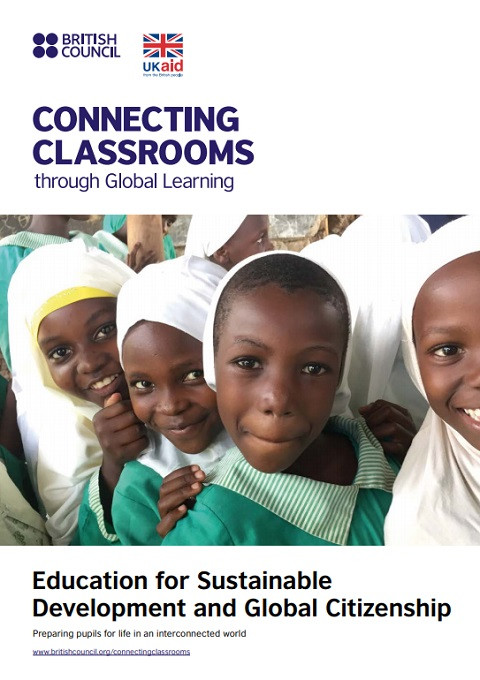 Connecting Classrooms through Global Learning: Education for Sustainable Development and Global Citizenship; Preparing Pupils for Life in an Interconnected World Year of publication: 2020 Corporate author: British Council | UK aid This resource contributes to the development of pupils’ core skills, enabling them to think critically, to consider how to resolve problems, to take informed and reflective action and to develop personal leadership skills. During the course, pupils will analyse global issues, and will plan, implement and evaluate action. This course can be linked to a variety of curriculum areas, including English, Social Studies, Geography, Modern Foreign Languages, Maths, History and Art and Design. It can be used with or without an overseas partner school.
 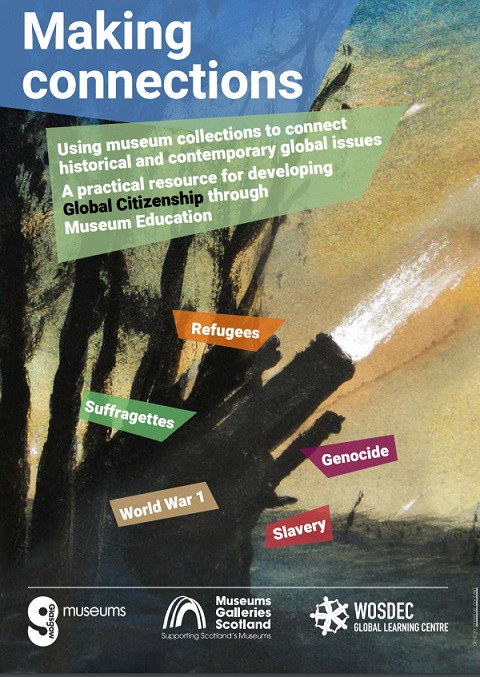 Making Connections: Using Museum Collections to Connect Historical and Contemporary Global Issues; A Practical Resource for Developing Global Citizenship through Museum Education Year of publication: 2019 Corporate author: Glasgow Museums | Museums Galleries Scotland | West of Scotland Development Education Centre (WOSDEC) Looking at Refugees, Genocide, World War I, Suffragettes and Slavery, this is a practical resource to support educators to connect historical and contemporary global issues and develop the skills, values and attitudes of Global Citizenship through museum collections. The tasks and activities contained within this resource are aimed at providing ideas for museum educators and can work either in a gallery or classroom setting. Many of the techniques and approaches are transferrable to a range of different themes and collections.
 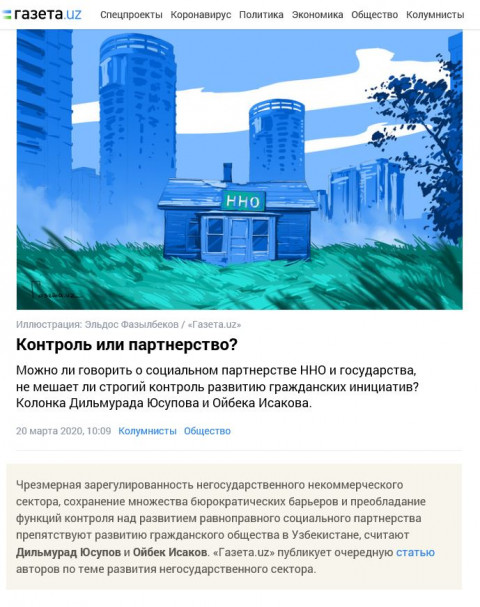 Control or Partnership? Year of publication: 2020 Author: Dilmurod Yusupov | Oybek Isakov Excessive regulation of the non-governmental non-profit sector, the preservation of many bureaucratic barriers and the predominance of the functions of control over the development of equal social partnership hinder the development of civil society in Uzbekistan, the authors of the article say.
 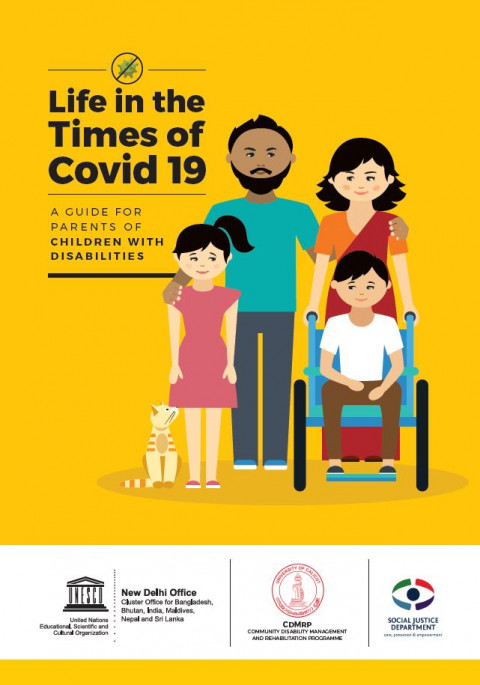 Life in the Times of Covid 19: A Guide for Parents of Children with Disabilities Year of publication: 2020 Corporate author: UNESCO New Delhi The 2019–20 coronavirus pandemic has affected educational systems worldwide, leading to the widespread closure of schools and universities. The radical changes and ensuing stress brought about by COVID-19 and the lockdown may also result in different sorts of difficulties among these children.Hence, parents and caregivers of such children must know how to manage and guide their children during this pandemic.This guideline explains the different aspects that a parent/ caregiver must take into account while taking care of children with special needs. This guideline also addresses the need to maintain the mental health of the parent/ caregiver of children with special needs. The eleven sections in this guideline explain the duties and responsibilities that parents/ caregiver must follow.