
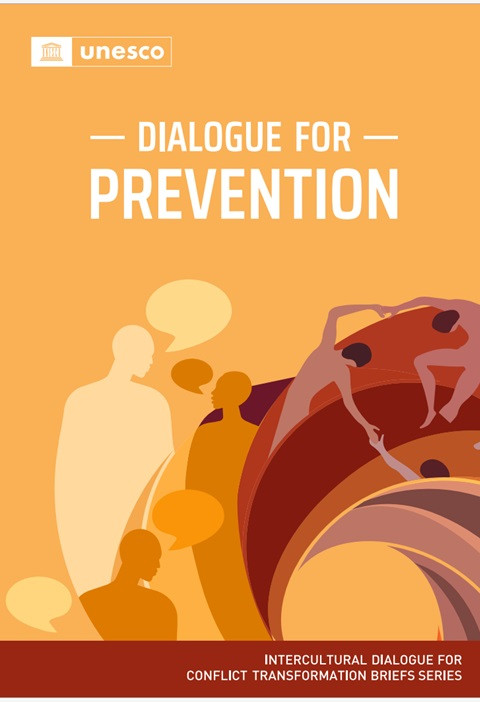
Dialogue for Prevention
- Auteur institutionnel
- Organisation des Nations Unies pour l'éducation, la science et la culture (UNESCO)
- ISBN
- ISBN 978-92-3-100771-2
- Collation
- 32 p.; illustrations
- Langue de la ressource
- Anglais
- Année de publication
- 2025
- Type de ressource
- International normative instruments / policy and advocacy documentsResearch papers / journal articles
- Niveau d’éducation
- Éducation et protection de la petite enfanceEnseignement primaireEnseignement secondaireEnseignement supérieurApprentissage tout au long de la vieEnseignement et formation techniques et professionnelsÉducation non formelle
- Lieu de publication
- Paris
In an era where geopolitical power struggles disrupt traditional peacebuilding, where identity and misinformation fuel divisions, and where trust in institutions is eroding, UNESCO’s Intercultural Dialogue for Conflict Transformation briefs series presents an adaptable, culturally grounded, and people-centred approach to peacebuilding.
With 1.5 billion people living in contexts with low intercultural dialogue where global challenges such as absolute poverty, terrorism and forced displacement are more prevalent, this four-part series draws on firsthand experience, country case studies, and expert analysis to demonstrate the transformative potential of dialogue in fragile and conflict-sensitive settings.
The Dialogue for Prevention brief, developed with the Auschwitz Institute for the Prevention of Genocide and Mass Atrocities, explores the powerful role intercultural dialogue can play in preventing large-scale identity-based violence, particularly in the upstream and downstream phases of conflict. Grounded in the idea that dialogue can bridge divides and foster mutual understanding, the brief argues that enabling environments for intercultural dialogue—marked by stability, inclusive governance, freedom of expression, horizontal equality, and social cohesion—also mitigate key risk factors for atrocity violence. Drawing on diverse examples from Cambodia, Colombia, Italy, and Kenya, it showcases creative, context specific applications of dialogue.
Through practical guidance, the brief equips policymakers, practitioners and civil society seeking to embed dialogue into prevention strategies.
Ressources associées
-
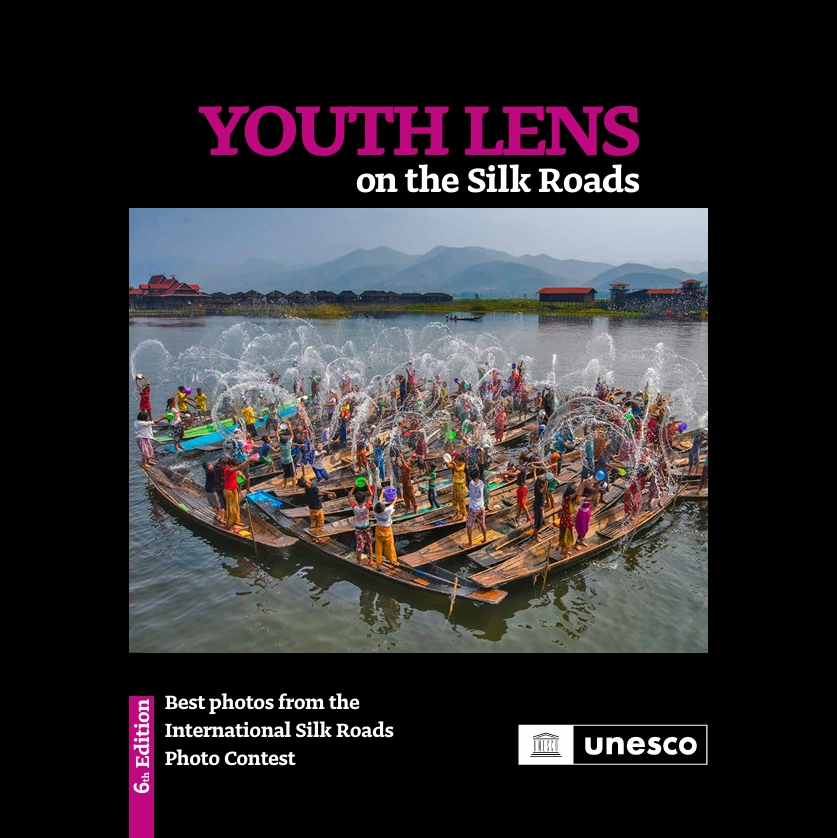 Youth Lens on the Silk Roads: Best Photos from the International Silk Roads Photo Contest; 6th Edition
 -
 Addressing Violent Pasts through Education: A Policy Guide
 -
 UNESCO Framework for Culture and Arts Education: Implementation Guidance
 -
 Mainstreaming the General History of Africa into Education Systems: The Curriculum Pathway