
News
Follow the newest trends and news in GCED.
1,676 Results found
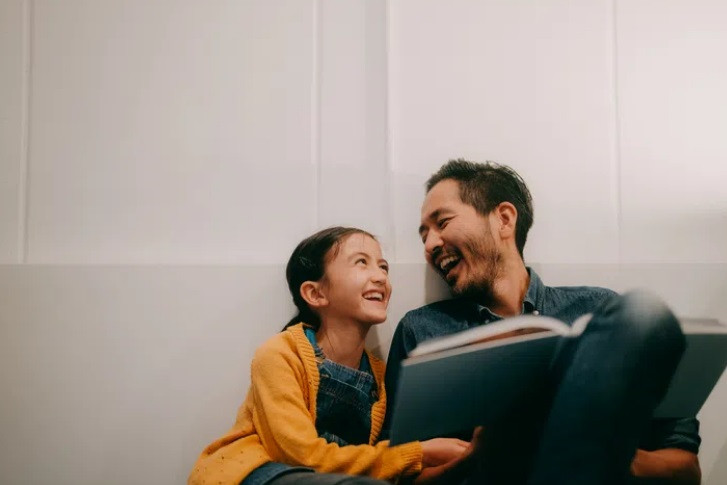 9 Social and Emotional Learning Activities to Help Kids Thrive 31 October 2023 January 5, 2023by Annie Midori Atherton Try these everyday social and emotional learning activities that parents and caregivers can use to help children develop key life skills. Social and emotional learning (SEL) may sound like a technical term, but its principles are simple. Broadly speaking, it’s the process through which people develop key life skills for managing emotions, working towards goals, managing emotions and maintaining healthy relationships. The good news is, anyone — including parents, caregivers and school staff — can teach and model this educational method, and the experts we spoke with say it’s essential that we do.“Parents and educators worry about whether we have enough time for social emotional learning activities because we need to close that achievement gap,” says Michael Allen, a Chicago-based educational leadership consultant and former principal. “But we don’t have the time to not prioritize it. It saves time with discipline — if there’s a lack of empathy, that gets expressed in aggressive behaviors in school.”“It’s really powerful,” Allen adds, “to see how social emotional learning can help us not only to make space for kids to become more academically sound, but to become healthy human beings who are able to enter the world and treat others with respect and dignity.”Below are nine activities that you can initiate to help children with their social and emotional skills, beginning with those you can use beginning at toddler age. Specific social emotional learning activities for kids 1. Discuss characters in storiesHelping kids of any age develop social and emotional skills can be as simple as talking to them while watching a movie or reading a book, says Cailin Currie, a developmental psychologist and researcher for Second Step, a social-emotional learning program used in Pre-K-12 schools. By encouraging them to imagine what’s going on in a character’s mind, Currie explains, you’re giving them practice with taking others’ perspectives — a key SEL skill.Currie suggests asking kids questions that help them practice verbalizing emotions and analyzing others, such as: “What do you think that character is feeling?” “What clues help you figure out how they’re feeling?” “What would happen if the character did X, Y or Z?” 2. Play feelings charadesActing out feelings can be a way to help young kids recognize others’ emotions, says Amanda Justice, a licensed clinical social worker.She says that beginning around kindergarten age, you can modify the classic game of charades. Using “feelings cards” that show pictures of people expressing various emotions, (which you can purchase online or make yourself), have one person act out a feeling while one or more other people tries to guess what it is. If they’re having trouble guessing, that helps you assess what they know and gives you an opportunity to help them learn.“You can help to expand their vocabulary so they have more words to describe what they’re feeling,” says Justice, who often uses the activity with kids and says they really enjoy it. More advanced games that focus on developing social and emotional skills are available online through blogs such as Pathways 2 Success, though these are more appropriate for slightly older elementary school students (recommended age levels are listed on the purchase pages). 3. Mirror back emotions using wordsHelp children understand their emotions by simply watching their physical reactions and mirroring those back to them by using words and expressions. Justice uses the following examples to explain how this works: “If their eyebrows are furrowing and [their eyes are] getting red, that might be a sign that they’re sleepy. So then you would mirror back to them by describing what you’re seeing, saying, ‘You must be sleepy right now.’” “If you notice their cheeks are getting red, and they’re balling up their fists, you could say, “I see that your cheeks are getting red. You’re balling up your fists. You must be feeling really angry right now.”By describing their physical actions with accurate emotional language, you’re helping them label their feelings. The goal is that as time goes on, they’ll be able to recall those conversations and make the connection themselves, thinking, “Oh, my fists are tight, my cheeks are red … Mommy or Daddy told me last time I felt that way it meant I was angry. I must be angry right now.” 4. Lead guided breathing exercisesA big part of SEL is managing your own emotions and stress, and mindfulness exercises like slow, deep breathing can help kids as young as 5 practice this.“An adult can lead a young person through it,” says Allen. “Have them breathe through their nose and hold it for a second, then breathe out through their mouths, counting down three, two, one.”Practicing mindfulness can be a powerful way to help kids calm down, even if you only have a couple of minutes. It helps them develop self-awareness for when they feel overwhelmed but don’t have the language to describe their feelings. This skill can spill over into relationship building and even academic success, says Allen, who uses the example of a student feeling a surge of anger when a teacher picks up their test before they are finished. If the student can learn to manage their emotions, they can learn to articulate that they need a little more time rather than, say, flip over a chair. 5. Practice feelings check-insYou can make “feelings check-ins” for both adults and kids part of the daily routine to promote self-awareness, empathy and relationship building. Regularly incorporating these kinds of conversations at moments like mealtime or bedtime are important, says Justice, because children learn by watching the adults around them and taking their lead.“If a parent says, ‘I was sad today at work, and this is what I did,’ you’re normalizing that feelings are OK,” Justice explains.She suggests telling children something like, “Here are some coping skills and strategies that I use.” 6. Teach the benefits of journaling“Journaling is an excellent way for kids to process and reflect on their feelings and emotions in a private, low-stakes way,” says Currie. “It’s a simple strategy to help kids feel calm and take control when they’re experiencing a strong emotion.”Journaling can be a useful coping mechanism to help people of all ages learn to be more reflective versus reactive, or, in other words, to think through difficult situations before acting, explains Currie. She says this is key to impulse control and emotion regulation.This strategy can even work for children who are still learning to write. “Just getting their emotions out of their bodies and onto paper, whether with words or pictures, can be a positive outlet, regardless of age,” says Currie. 7. Propose activities that challenge kidsEndeavors that require kids to get out of their comfort zone can provide opportunities to talk about skills such as perseverance, problem-solving and emotional management. Activities can vary widely depending on a child’s age and interests, including sports and other extracurriculars.For kids old enough to draw, you can have them hold a pencil in their nondominant hand and try to sketch something, suggests Steve Mesler, a former Olympic gold medalist and co-founder of Classroom Champions, a nonprofit that supports schools in teaching social-emotional learning to students. This will likely be frustrating to them, so you can then guide them through talking about what that feels like. “Struggle can be OK, and if you can empower kids — and honestly, adults — to understand this, then all of a sudden, anxiety issues go down because you don’t feel like a failure.” 8. Offer guided goal-setting“It’s one thing to tell a child that goal setting is important,” says Mesler. “It’s another thing to actually help them learn how to set and work towards goals.”You can adapt goals to be age-appropriate — a 3-year-old might want to learn to put on their shoes themselves, and supporting them may just be a matter of emphasizing the goal and encouraging them to stick to it. As kids get older, they may have bigger projects like a school test, and coaching them may involve helping them break down their goal into smaller steps like doing homework and studying. 9. Build empathy through hypothetical scenariosAnother journal activity Allen suggests is to give young people prompts that help them visualize what it may be like to be in another person’s shoes.For instance, you could talk about a person being mistreated and invite kids to write down their thoughts to questions, such as: What would it feel like to be them? If you were them, what would you feel like you need? How could other people support you?“The goal is to build empathy and compassion,” says Allen. “This helps young people get more proximate to the social or physical conditions that may impact another person.” https://www.care.com/c/social-and-emotional-learning-activities-for-kids/ © 2007-2023 Care.com, Inc
  International Day for Monuments and Sites 18 April 2023: Explore UNESCO World Heritage sites with Google Arts & Culture 31 October 2023 18 April 2023 Blog post by Director of World Heritage at UNESCO - Lazare Eloundou AssomoIs there a place you have never been, but always felt a special connection to? From Peru’s Machu Picchu to Mount Kilimanjaro in Tanzania, the Temple of Angkor Wat in Cambodia to the Canadian Rocky Mountain Parks, these wonders of the world are as diverse as they come. But they have one thing in common – they are part of the UNESCO World Heritage. Today 1,157 sites strong, we cannot help but feel the connection to these outstanding places that tell the stories of our shared humanity.As citizens, we also share the responsibility to protect them. As the UN agency dedicated to culture, we pride ourselves on our leading expertise to identify, evaluate and reinforce efforts to safeguard heritage. We bring together governments, communities, heritage experts and non-governmental organizations to explore and realize a vision of heritage as a global public good.Here at UNESCO, we also work to enhance the enjoyment and access to World Heritage through responsible use of new technologies. This is why we are pleased to partner with Google Arts & Culture for the International Day for Monuments and Sites once again, to invite people around the world to visit these places near and far through the ever-growing collection of virtual visits. What is World Heritage?World Heritage is an official designation given to a site following careful consideration of a proposal submitted by the country and evaluations undertaken by experts.Whether a property is awarded this designation is determined by the World Heritage Committee. The Committee, made up of 21 countries from all regions, meets once a year to deliberate if the proposed sites meet specific criteria and demonstrate what is called the “Outstanding Universal Value.” When a cultural or natural site has OUV, it is “so exceptional as to transcend national boundaries and to be of common importance for present and future generations of all humanity.”The preparation of the nominations is at once lengthy and intensive. UNESCO accompanies this process and ensures the completion of all necessary steps, so the work of the Committee can be done smoothly. Once a site is inscribed on the UNESCO World Heritage List, we work with countries and communities towards sustainable protection and promotion. Why is it important?There is more to UNESCO World Heritage sites than meets the eye. We must remember that these extraordinary places carry deep meanings for communities and beyond – urban centres layered with history, monuments embodying experiences of generations past, ancestral homes, and hotspots for biodiversity. The protection of World Heritage, therefore, contributes to the remembrance of who we were and inspiration for who we want to become.Sadly, the threats against natural and cultural sites are rising. According to our latest research, sixty per cent of World Heritage forests are threatened by climate change-related events, while glaciers in one-third of World Heritage sites are set to disappear by 2050.In the face of climate-induced threats, UNESCO works with partners and countries to better monitor these impact. For example, the Urban Heritage Climate Observatory brings together stakeholders across climate science, urban heritage, and Earth observation to document the effects of climate change on World Heritage cities using Earth Observations tools. Such data can inspire adaptation measures that correspond to the risks and impacts. Another interesting UNESCO project is the Environmental DNA Expeditions, a citizen science initiative for marine World Heritage sites. Throughout 2023, volunteers around the world are gathering water samples that help determine the species richness of the area without extracting living organisms – embodying UNESCO’s ethical, inclusive and innovative approach to safeguarding. Let’s celebrateWorld Heritage is about what we share. No matter where we are from, we all have the right to appreciate the outstanding heritage around the world. On this International Day for Monuments and Sites, I invite you to take a journey of humanity through online exhibitions of UNESCO World Heritage sites.Explore the Google Arts & Culture online exhibitions of UNESCO World Heritage sites here: Google Arts & Culture https://whc.unesco.org/en/news/2530
 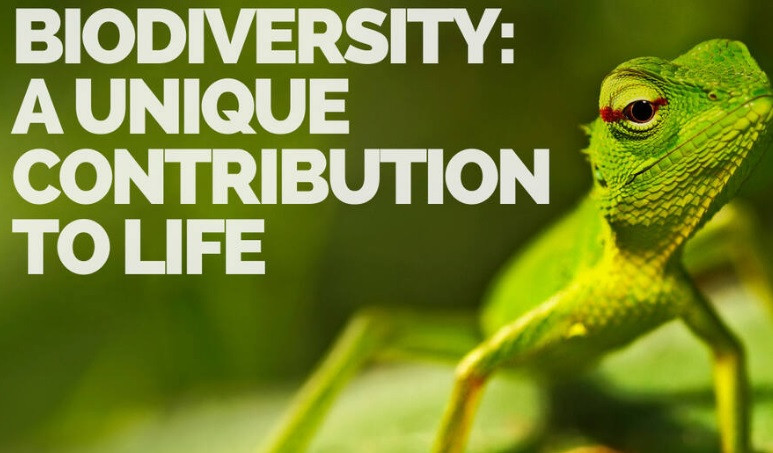 New research underscores the vital role played by the World Heritage Convention in protecting biodiversity 31 October 2023 31 August 2023 A UNESCO and IUCN assessment of the status of species reveals that UNESCO World Heritage sites harbour over 20% of mapped global species richness within just 1% of the Earth’s surface. Safeguarding these biodiversity hotspots is essential if the Kunming – Montreal Global Biodiversity Framework is to be achieved. UNESCO is appealing to the 195 States Parties to the Convention to scale up investment in the conservation of their sites, and to nominate all remaining areas key to biodiversity conservation for World Heritage inscription."This is study demonstrates the importance of UNESCO World Heritage sites in protecting biodiversity. These 1,157 sites are not only historically and culturally outstanding, they are also critical to the preservation of the diversity of life on Earth, maintaining essential ecosystem services, and addressing climate disruption", said Audrey Azoulay, Director General of UNESCO. The UNESCO and IUCN first-time assessment of the status and trends of species reveals that UNESCO World Heritage sites make up less than 1% of the Earth's surface, yet they harbour more than 20% of mapped global species richness, including more than 75,000 species of plants including trees and over 30,000 species of mammals, birds, fishes, reptiles and amphibians. These sites serve as formidable natural observatories for advancing scientific knowledge thanks to the concentration of over half of all mammals, birds and hard corals species in the world. They are also an endless source of inspiration for new environmental protection intiatives. https://youtu.be/c8g6tdr1lnU The last line of defense against extinctionThe World Heritage Convention confers the highest level of international protection to some of the most significant sites for biodiversity conservation in the world. These sites are estimated to protect over 20,000 threatened species, including up to one-third of all elephants, tigers and pandas, and at least one-tenth of great apes, lions and rhinos.For some species on the brink of extinction, World Heritage sites have become the last line of defense. They are home to all remaining Javan Rhinos, Vaquitas (the world’s smallest cetacean) and Pink Iguanas, as well as more than half of all Sumatran Rhinos, Sumatran Orangutans and Mountain Gorillas.The World Heritage Convention enables coordinated initiatives with all relevant stakeholders: local populations, national and regional authorities, international organizations, among others – resulting in many conservation success stories. For example, actions undertaken in the Kaziranga National Park (India) and Chitwan National Park (Nepal) since their inscription on the UNESCO World Heritage List in the mid-1980s have more than doubled the population of Greater one-horned Rhinos to around 4,000 individuals. Humanity and biodiversity are deeply intertwinedThe benefits provided by biodiversity are innumerable and form the bedrock of our relationship with nature. The variety of ecosystems within UNESCO World Heritage sites maintain important environmental services for people, such as protection of water resources, as well as providing jobs and income through sustainable activities. UNESCO World Heritage sites are also instrumental to further strengthen the link between nature and culture, as many cultural sites, including those in urban areas, can also protect important biodiversity and are an ally in efforts to halt nature loss. The clock is ticking for immediate actionHowever, there is an urgent need to strengthen conservation measures: every 1°C increase in global temperature could double the number of species threatened by dangerous climate conditions. Given their role as vital biodiversity hotspots, UNESCO World Heritage sites must be protected at all costs by the States Parties of the Convention. World Heritage sites key to achieving the global objective of halting biodiversity lossUNESCO encourages member states to prioritize World Heritage sites in National Biodiversity Strategies and Action Plans (NBSAPs), since they are key to moving the Kunming-Montreal Global Biodiversity Framework (GBF) into action. The study is an additional tool for site managers to take the necessary actions to achieve these objectives.By 2025, all World Heritage site managers will be trained in climate change adaptation strategies, and by 2029 all sites will have a climate adaptation plan – as announced by the Director General of UNESCO in November 2022 at the 50th anniversary of the Convention.UNESCO and IUCN thank Conservation International, the Botanic Gardens Conservation International (BGCI), the National Center for Ecological Analysis and Synthesis (NCEAS), the University of Arizona and the University of Connecticut for their contribution to this study. https://whc.unesco.org/en/news/2601
 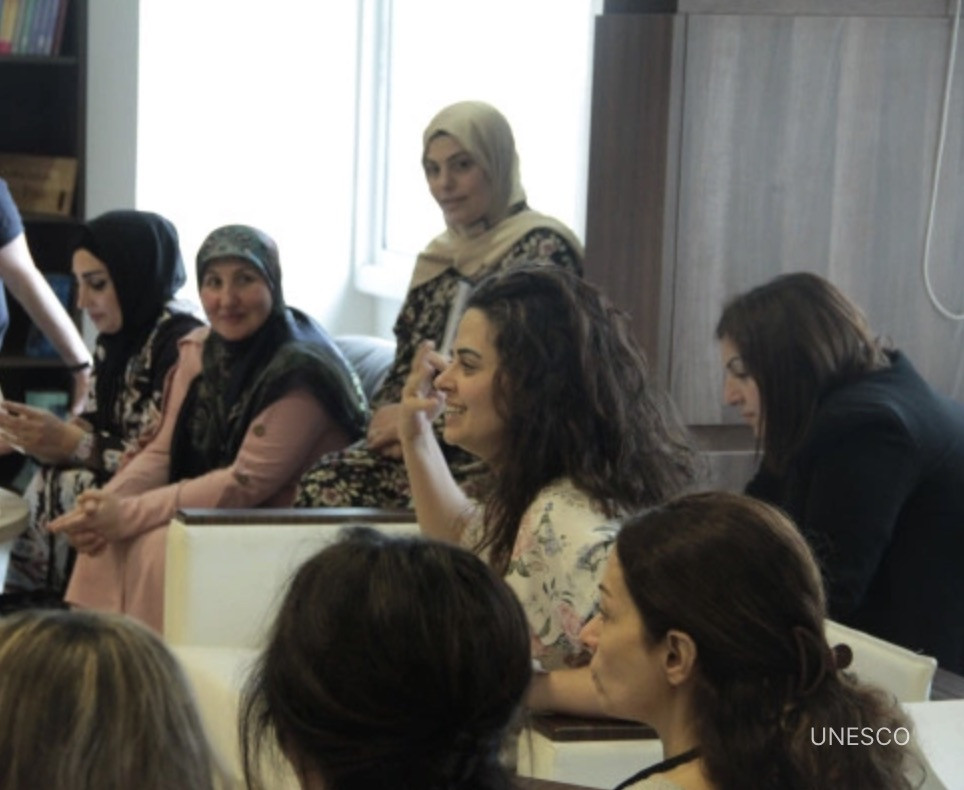 With UNESCO, Lebanese teachers transform learners’ minds through the arts 31 October 2023 On the first day of June, 30 Lebanese teachers from different ASPnet schools make their way to the UNESCO Office in Beirut. On 1st and 2ndJune, they will not be teachers. They will rather become learners once again, honing their own skills to ensure more holistic education opportunities for their students. At 9 am, the workshop starts and instantly takes a fun turn. The facilitators, Lebanese artists, go around distributing art supplies ranging from coloring pens and drawing papers to old newspapers and theater props, which leads to looks of excitement and confusion on participants’ faces.Transformative Education through the arts. That is the theme of this workshop that aims to equip teachers with necessary tools to harness the transformative power of the arts in their daily teaching practices across different subjects to help their learners reach their full potential and instill positive change.There is an ongoing misconception about arts, which are often regarded as a secondary subject compared to sciences, physics and math. However, arts are a pillar of education. Culture and arts education are as important as science subjects, providing learners with a platform to express themselves and exposing them to new perspectives and new ways to see the world. They build learners’ personalities and create active citizens who contribute to building more peaceful, tolerant, sustainable and inclusive societies. Pencils sharpened, warmup exercises done, participants dive into work in three groups, each tackling an art form, namely, storytelling, cinema and theatre to acquire concrete and practical techniques to teach their respective subjects through the arts.“This workshop was really dynamic, interactive, rich and fun, far from the traditional workshops and seminars we usually participate in. We and our students are exposed to arts in our daily life. It was so interesting to learn how to bring arts into the classroom,” says Rima Abou Shakra, a teacher at Niha Public School.“What I liked the most about this workshop is that it is practical and provides us with tools that can be applied in class. I really appreciated the fact that the trainers linked the different artistic concepts with practical applications,” says Maya Achi, Arabic language teacher at Rafic Hariri High School, “Art is not a luxury. It is rather an essential need. We, humans, are a balance of thoughts and emotions, of the mind and soul. Education should address all these together.”“When we were divided into groups, I chose comics. I panicked. I’m a science teacher. How do I use comics in science?” says Patricia Azar, a biology teacher at the International School – Al Koura, “then, during the workshop, I realized that everything I do in science is art: graphs, lab drawings. This workshop gave me fun and creative tools to use in class. A classroom should be a safe, creative and fun learning space, especially in sciences.”“I’m a theater teacher, but I am also part of a youth-led NGO. I am currently working on a project on drug prevention through the arts for youth. Participating in this workshop gave me so many creative and artistic ideas on how to implement this project,” says Ali Omar Ali, an arts teacher at Lycée Dr. Hassan Saab.“In Lebanon, more importance is given to sciences, math, physics than to the things we live for: arts, culture, love… There are so many ways to benefit from the arts in science subjects as well as in humanities,” adds Roy Assaad, an Arabic and social studies teacher at Mekhitarist Fathers’ School – Rawda.Unfortunately, even though more and more attention is being paid to creativity, the use of the arts is still not as widely spread as it should be. For this reason, the UNESCO Multisectoral Regional Office for Arab States in Beirut and the Lebanese National Commission for UNESCO organized this workshop inviting teachers from various backgrounds – artistic and non-artistic.We want to make sure that, even if learners cannot attend arts classes, they can benefit from the power of the arts in other subjects, such as science, geography, math, etc. Indeed, the arts are an extremely powerful tool to discuss about difficult topics, stimulate critical thinking, and shaping global citizens who care for humanity and for the planet.Ms. Costanza FarinaDirector of the UNESCO Multisectoral Regional Office for Arab States We are in the middle of a race between two adversary teams: the first one being education, culture and arts; the second, challenges and disasters. We are working to ensure that the first team wins.Ms. Hiba NashabeSecretary-General of the Lebanese National Commission for UNESCO URL: https://www.unesco.org/en/articles/unesco-lebanese-teachers-transform-learners-minds-through-arts
 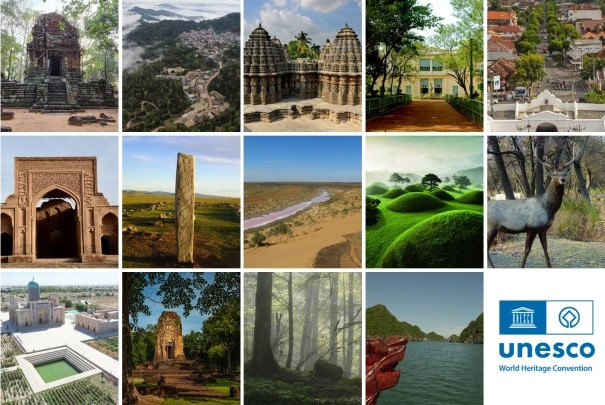 UNESCO World Heritage Committee inscribes 12 new sites in Asia-Pacific to the World Heritage List 24 October 2023 25 September 2023 At the extended 45th session of the UNESCO World Heritage Committee, which transpired in Riyadh, Kingdom of Saudi Arabia, from 10 through 25 September, 12 new Asia-Pacific sites (out of a global total of 42 new sites), and two new inscriptions (out of a global total of five) for ‘recognition for significant modifications to the boundaries of an existing site’, have joined the UNESCO World Heritage List (WHL). New Asia-Pacific UNESCO World Heritage List inscriptions in 2022 and 2023 (12): Cambodia: Koh Ker: Archaeological Site of Ancient Lingapura or Chok Gargyar China: Cultural Landscape of Old Tea Forests of the Jingmai Mountain in Pu’er India: Sacred Ensembles of the Hoysalas; and Santiniketan Indonesia: The Cosmological Axis of Yogyakarta and its Historic Landmarks Iran (Islamic Republic of): The Persian Caravanserai Mongolia: Deer Stone Monuments and Related Bronze Age Sites Kazakhstan, Turkmenistan, Uzbekistan: Cold Winter Deserts of Turan Republic of Korea: Gaya Tumuli Tajikistan: Tugay Forests of the Tigrovaya Balka Nature Reserve Tajikistan, Turkmenistan, Uzbekistan: Silk Roads: Zarafshan-Karakum Corridor Thailand: The Ancient Town of Si Thep and its Associated Dvaravati Monuments In addition, the UNESCO World Heritage Committee recognizes significant modifications to the boundaries of existing World Heritage properties in Asia-Pacific (2): Azerbaijan and Iran (Islamic Republic of): Hyrcanian Forests Viet Nam: Ha Long Bay – Cat Ba ArchipelagoThese 2023 Asia-Pacific listings now number among a total of 42 new inscribed cultural or natural properties of ‘outstanding universal value’, and five recognitions of significant modifications of the boundaries of existing World Heritage properties from across the globe. Now tallying 1,199 properties worldwide, the World Heritage List is testament to UNESCO’s commitment to the preservation, maintenance and sustainable development – in collaboration with national governments, regional stakeholders, and local communities – of the world’s cultural and natural treasures as constituting assets of ‘universal heritage’ for all peoples. For the complete list of new inscriptions and new recognitions of significant modifications of boundaries For the complete UNESCO World Heritage List as of 25 September 2023 For further documentation of the extended 45th session of the World Heritage Committee https://www.unesco.org/en/articles/unesco-world-heritage-committee-inscribes-12-new-sites-asia-pacific-world-heritage-list?hub=66925
 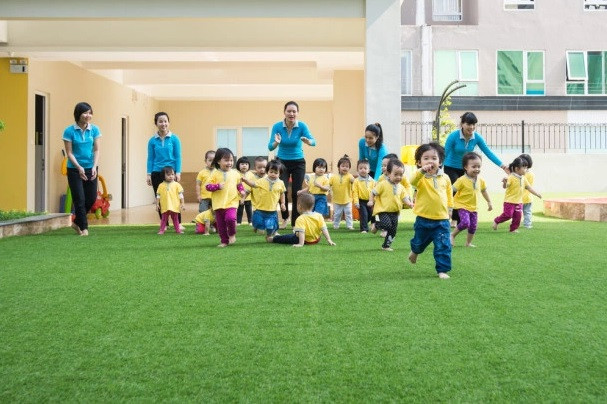 Social and emotional learning must be a priority for transformed early education 24 October 2023 Last update: 30 August 2023 (11 November 2022) By Brandon Darr The growing international attention to early childhood care and education (ECCE) is given new urgency following the UN Transforming Education Summit (TES) in September, whose global calls to action have a clear connection to young children’s education. The teaching profession will be a core driving force in achieving these calls to action. It will need much support and unique skills development to enable such change, especially as young children undergo rapid learning and development at the ECCE level. As pre-primary teachers are enhancing their expertise with 21st century teaching and learning strategies, social and emotional learning may prove a cross-cutting skill to enrich all pedagogies for young children and build a more resilient ECCE workforce. Benefits of social and emotional learning for young children’s COVID-19 recoverySocial and emotional skills are part of everyday life and begin developing from birth. Children’s social and emotional development often looks like a child’s forming close and secure relationships with others and understanding their own, as well as others’ emotions within their homes, cultures and societies.Like other skills such as language and cognition, which begin to develop before children enter schools, social and emotional skills must be taught and understood as the skills can positively impact one another and together promote lifelong learning and peaceful societies.Social and emotional learning emphasizes the developmental process of learning and using knowledge, skills and attitudes for building relationships, making decisions, showing empathy, achieving goals and regulating their emotions.Well-designed social-emotional learning programs have been found to yield an average return of US$11 for every dollar spent, and to improve a range of student outcomes, including social and emotional skills, academic performance, social behavior and conduct, and attitudes. Social and emotional learning is essential to ECCE teachers for supporting young children when they come to school for the first time, especially after the COVID-19 pandemic. The pandemic took away critical opportunities to develop young children’s cognitive, social, linguistic and emotional skills, simultaneously exacerbating pre-existing inequalities and negatively impacting all learners, especially those from vulnerable and marginalized backgrounds. Pandemic lockdowns of schools caused at least 7 million children across Asia and the Pacific to lose access to pre-primary education. Children in the region also lost important opportunities for social interaction and consequently have exhibited increased levels of stress due to a variety of factors, including isolation, uncertainty and fear of the future, thus having a negative impact on their resilience and cognitive skills.Social and emotional competencies such as managing emotions, building resilience and caring for others will play an important roleto help young children recover a sense of overall wellbeing and their learning capacity in the wake of the pandemic. Asia-Pacific teacher training handbook and modules for teachers’ social and emotional learningTeachers require new pedagogical skills to support young children’s holistic development for lifelong learning in the 21st century. At the same time, social-emotional competencies may also benefit teachers themselves. Such skills and competencies are particularly important for teachers at the pre-primary level to support young children’s foundations for lifelong learning.Social-emotional competencies may help reduce and prevent teacher burnout by providing coping skills needed to navigate teaching demands and manage their classrooms.The UNESCO Asia and Pacific Bureau for Education, with the financial support of the Japanese Funds-in-Trust (JFIT), created the Asia-Pacific ECCE Teacher Handbook and Training Modules for Social and Emotional Learning (APETT-SEL) as part of the Empowering Early Childhood Care and Education (ECCE) Teachers with a Transformative Vision of Education project. Field tested in Cambodia, Fiji, Vanuatu and Vietnam, the APETT-SEL handbook and its 10 modules consist of key themes on self-care for teachers, social and emotional learning competencies for children and adults strategies and practices to build a pro-social classroom for a safe and supportive environment, understanding cultural diversity and differences, and assessment and measurement. The regional example of pre-service and in-service teacher training strengthens social and emotional skills for teachers and their students, which can be extended to benefit others in the ECCE workforce, as well as education leaders and education policymakers. Social-emotional learning to transform education systemsAs ECCE provision returns, the impact of the COVID-19 pandemic has shown that social and emotional learning is just as important as other foundational skills such as literacy and numeracy and should appear throughout children’s education, starting in the early years. It is not, however, a short-term solution in the learning recovery process as children around the world face challenges to continue their education amid increased conflicts, displacements, disasters and emergencies. Now more than ever, discussions on transforming education systems must include the pressing needs of young children and the ECCE workforce, such as social-emotional competencies in long-term change.Social and emotional learning will be playing a larger role in transforming education systems. The APETT-SEL handbook and modules will be featured in a side event for the upcoming World Conference on ECCE, in Tashkent, Uzbekistan, where Member States will soon convene with multilateral stakeholders from around the world for achieving Sustainable Development Goal (SDG) 4.2, to ensure all children have access to ECCE so they are ready for primary education. It is hoped that the outcomes of the World Conference, together with the ongoing efforts by Member States, will make social and emotional learning a priority in its commitments to, and investments in, transformed, resilient and sustainable ECCE. https://www.unesco.org/en/articles/social-and-emotional-learning-must-be-priority-transformed-early-education?hub=66925
 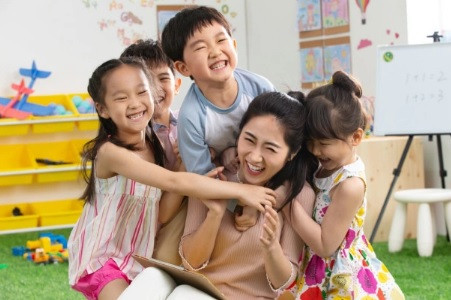 Teachers ‘Key’ to Social Skill Growth 24 October 2023 5 October 2023 Teachers are the key driving force behind our children’s social and emotional development. We need to support them.Let us take a moment to reflect on this year’s World Teacher’s Day theme, ‘The teachers we need for the education we want: The global imperative to reverse the teacher shortage.’ This shortage is not a new phenomenon. Most of us working in the education sector know this all too well.The United Nation’s Sustainable Development Goal 4 (SDG 4) expressly calls on countries to significantly increase teacher recruitment and training in order to ensure inclusive and equitable quality education and promote lifelong learning opportunities for all. This goal can be realized only by the efforts of qualified, well-supported, and empowered teachers, capable of providing inclusive quality education which speaks to the needs of each and every learner. The UNESCO Institute for Statistics (UIS) reported in 2016 that in order to achieve SDG 4 by 2030, upwards of 68 million teachers must be recruited globally. For the Asia and Pacific region, the UNESCO Education Costing Model 2020 projected that for young learners globally to achieve one year free and compulsory pre-primary education by 2030 will require a total of 9.4 million newly certified teachers at the frontlines of classrooms. In addition, to enhance the quality of Early Childhood Care and Education and achieve a pupil-teacher ratio in line with internationally recommended standards—15 students per instructor—the number of newly minted teachers at this pre-primary school level would have to increase in Asia and the Pacific by over 11 million teachers.Given these staggering numbers, the observation offered by UNESCO Director-General Audrey Azoulay on the occasion of last year’s World Teacher’s Day remains as pertinent today as it was one year ago: ‘There is an urgent need to better recognize this profession on which the future of our children depends.’ What challenges do early childhood care and education (ECCE) workforce face?Few observers today would deny that teachers can create a profound and long-lasting influence on the lives of young children, contributing to their future achievement both within and outside of school, as well as into learners’ adulthood. Nevertheless, given the considerable challenges that commonly come with their profession, teachers’ own psychosocial well-being can be easily compromised.Within the ECCE subsector, teachers are especially susceptible to having to deal all too often with challenging situations in the teaching environment itself. At present, the ECCE workforce in the Asia-Pacific region faces considerable concerns due to a lack of formal recognition, adequate quality training, fair compensation, and decent working conditions. The impact of the COVID-19 pandemic can be seen in the long-term effects of heightened stress resulting from lockdowns and health fears which created a mental health crisis for young children, parents, and of course, teachers. During the prolonged global health crisis, a period stretching from early 2020 through the end of 2022, UNESCO researchers estimated that approximately 70 per cent of ECCE centres across Asia and the Pacific largely remained shuttered. As a consequence of this, how many of those centres have reopened to date, and how many ECCE teachers and educators who had to leave their profession have returned to their former classrooms? On the matter of the schoolchildren themselves, many women and girls left their education to help with the domestic needs of their families, and many will never resume their learning. The 2019 GEM Report, a global education reckoning, had already, well prior to the pandemic’s emergence, clearly documented that teachers often feel they lack professional support and consider themselves ill-prepared to teach in diverse, multilingual, and multicultural classrooms. This is especially the case in the Asia-Pacific region, even if the attrition rate of pre-primary teachers varies greatly. As of 2020, for example, the teacher attrition rate was 12.49 per cent in Lao PDR; 26.09 per cent in the Cook Islands, and 7.61 per cent in China.Teacher stress and burnout have long been an ongoing challenge in education at all levels, let alone the pre-primary and early primary levels. If these stressors are not managed effectively, teachers’ skills are negatively impacted, leading to job dissatisfaction and, ultimately, teachers falling away from the profession entirely—thereby unintentionally exacerbating the already short supply of skilled ECCE educators.To address these challenges and ensure that teachers are retained in the field, as well as new ones recruited, there is a clear need for provision of new tools for teacher’s selfcare, which, managed successfully, has the potential to translate into increased effectiveness in their work, and contributing to ensuring promising outcomes for young children. Selfcare is not simply about addressing or reducing professional stressors; in addition, it is about enhancing general health and well-being, and fostering longterm resilience. In the end, selfcare helps to facilitate teachers’ ability to cope with the demands of the classroom, and maintain self-composure, patience, and compassion, as well as better serve as positive role models for young learners. Leveraging psychosocial needs of teachers and learnersThere is a clear need for prioritizing social and emotional learning in schools—not only for the sake of learners, but just as important, for the sake of teachers themselves, so that in turn, they are able to support learners’ psychosocial needs and create strong foundations for lifelong learning.A key component of ECCE recovery therefore must be to substantively address the social-emotional needs of the workforce. In agreement with the recently published Asia-Pacific ECCE Teacher Training Handbook for Social and Emotional Learning, mechanisms that help teachers manage and respond to their own emotions and integrate social and emotional learning into their teaching and learning environments can lead to the holistic development of their learners and the betterment of their own psychosocial well-being throughout their profession.Reversing the current teacher shortage will take time, and whether we can do that by 2030 may be up for debate. But what we can do now is to genuinely recognize that educators' social and emotional competence and well-being are critical components of effective teaching. Valuing our educators and underscoring the importance of their psychosocial well-being are key to attracting and retaining teachers so that they stay in the profession to which they have passionately committed themselves. Maybe only then will we be able to have the teachers we need for the education we want.#ECCE #EarlyChildhoodCare&Education #Social&EmotionalLearning #SEL https://www.bangkokpost.com/opinion/opinion/2657809/teacher-key-to-social-skill-growth
 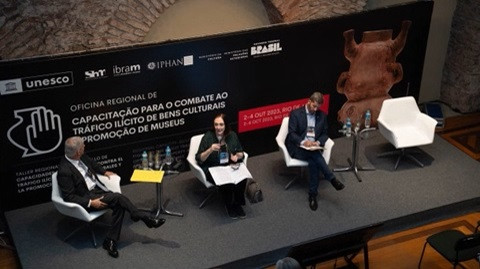 UNESCO reinforces transatlantic network of cultural heritage protection in Latin America, the Caribbean and Africa through capacity-building workshop in Brazil 24 October 2023 23/10/23 From 2 to 4 October, UNESCO organized a capacity-building workshop in Rio de Janeiro for over 80 law enforcement, judiciary and museum professionals from 14 countries in Latin America and the Caribbean and Africa. Hosted in close cooperation with the Government of Brazil, the workshop is the first of a series of cross-regional empowering actions. In line with the MONDIACULT Declaration, endorsed by 150 States in Mexico in 2022, this training aimed to scale up UNESCO’s ongoing efforts in developing regional and national capacities to fight against looting, illegal excavations and illicit trade of cultural property. The workshop provided theoretical modules and practical exercises to upskill experts to better protect movable cultural heritage. The participants exchanged best practices and information, further fostering regional and international cooperation in the return and restitution of cultural property. "It is crucial to strengthen advocacy and action concerning the impact of illicit trafficking on the memory, identity and future of peoples. Indeed, the illicit trafficking of cultural property threatens the very essence of our identity, disrupts the transmission of knowledge, and undermines the enjoyment of cultural rights, said" Ms. Krista Pikkat, Secretary of the UNESCO 1970 Convention. Fruitful discussions covered a range of topics, spanning from the ratification of the 1970 Convention on the Means of Prohibiting and Preventing the Illicit Import, Export and Transfer of Ownership of Cultural Property to its enhanced implementation. The professionals agreed that it is important to update existing national legislation and inventories, as well as to leverage existing tools (such as the UNESCO Database of National Cultural Heritage Laws, an accessible source of information compiling legislation relating to the cultural heritage). They also underlined the essential role of indigenous communities and emphasized raising awareness as a key prevention tool to protect cultural property from the illicit trafficking. UNESCO’s key technical partners supported the workshop with their expertise and knowledge to help beneficiaries address different threats on cultural property. The contributors include the International Council of Museums (ICOM), the International Criminal Police Organization (INTERPOL), the International Institute for the Unification of Private Law (UNIDROIT), the United Nations Office on Drugs and Crime (UNODC), the World Customs Organization (WCO), the Carabinieri Command for the Protection of Cultural Heritage, the Ibermuseums Programme and the UNESCO Chair on Archaeological Heritage in Argentina, amongst others. https://www.unesco.org/en/articles/unesco-reinforces-transatlantic-network-cultural-heritage-protection-latin-america-caribbean-and?hub=701
  2023 UNESCO King Sejong Literacy Prize winners commemorate Hangul Day Celebrations in the Republic of Korea 24 October 2023 23/10/23From 7 to 10 October 2023, the three laureates of UNESCO King Sejong Literacy Prize from Finland, Pakistan and South Africa were invited by the government of the Republic of Korea to visit Seoul and Sejong City, and take part in the 577th Hangul Day Celebrations, which commemorates the creation of the Korean alphabet by King Sejong in 1446. Prior to 1446, the Korean language was primarily written using Chinese characters. This practice presented significant challenges due to the substantial grammatical distinctions between Korean and Chinese, making literacy an exclusive domain of the elite class. The introduction of Hangeul, named after King Sejong the Great, played a pivotal role in promoting literacy among Koreans, transcending social status barriers. Organized by the Ministry of Culture, Sports and Tourism of Republic of Korea and the Federation of Korean Language and Cultural Center, the three winners, accompanied by several ‘2023 Hangul Development Merit Award’ laureates, took part in multiple cultural visits and activities that highlighted the influence of the Hangul alphabet on the rich and diverse culture in the Korean society. Mr Jesper Ryynänen, Co-founder of GraphoGame, in Finland, represented the winning GraphoGame programme, recognized for its research-based literacy games in 14 languages which aims to continuously develop new language versions to teach children and adults literacy skills in their mother-tongue. The Himalayan Literacy Network programme from Pakistan, recognized for its efforts to catalyze a literacy movement within Pakistan’s Bakarwal community, through mother tongue-based multilingual education, was represented by Mr Muhammad Anwar Zeb, Chairman, Gojri Language and Culture Society, and Mr Mian Nizam Din, Founder and Senior Field Supervisor. Finally, Mr Stephen Bestbier, Government Partnerships Manager at Snapplify in South Africa, represented the ‘Africa e-Library project’ programme from South Africa recognized for its dedication to actively promote mother-tongue literacy across the continent. On 8 September 2023 UNESCO celebrated International Literacy Day with an international conference centered around the theme ‘Promoting literacy for a world in transition: Building the foundation for sustainable and peaceful societies’ and this year’s UNESCO Literacy Prizes award ceremony. On behalf of UNESCO Director-General, Ms Stefania Giannini, UNESCO Assistant Director-General for Education rewarded six innovative and impactful literacy programmes from Bangladesh, Dominican Republic, Finland, Pakistan, South Africa and Uganda with the two UNESCO International Literacy Prizes: the UNESCO King Sejong Literacy Prizes and the UNESCO Confucius Prizes for Literacy. The UNESCO King Sejong Literacy Prize was established in 1989 with the support of the Government of the Republic of Korea. It is awarded to excellent literacy programmes with special consideration to mother language-based literacy development. https://www.unesco.org/en/articles/2023-unesco-king-sejong-literacy-prizewinners-commemorate-hangul-day-celebrations-republic-korea?hub=701
 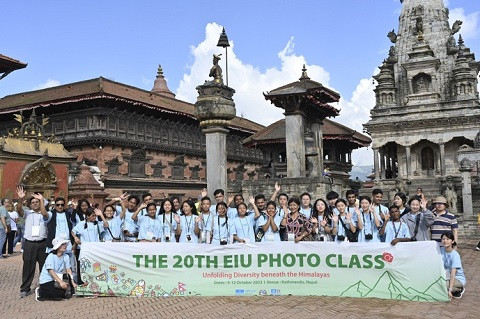 The 20th EIU Photo Class “Unfolding Diversity beneath the Himalayas” 24 October 2023 23/10/2023 The 20th EIU Photo Class held in Kathmandu, Nepal from 5 to 12 October 2023. Co-organized by the APCEIU and the UNESCO National Commission of Nepal, the workshop brought together 18 Nepali students, 8 Korean students, and professional photographers from both countries.The students captured the diversity and beauty of Nepal under the theme “Unfolding Diversity beneath the Himalayas” through their photographs. With guidance and training from Korean and Nepali professional photographers, they visited historical sites such as Bhaktapur, National Botanical Garden in Godawari, and Shankharapur to capture images of various temples and historical sites, daily life in Nepal, and its natural landscapes. Additionally, through workshops on education for international understanding and global citizenship education, they expanded their perspectives across borders and had opportunities to understand each other's cultures through cultural exchange programmes. The photographs taken by the participants were exhibited at Patan Museum in Kathmandu on 12 October 2023. The opening ceremony was attended by Lim Hyun-mook (Director of UNESCO APCEIU) and Suresh Adhikari (Secretary General of Nepal National Commission for UNESCO) along with various local officials who celebrated the students' activities and appreciated their artworks.The EIU Photo Class provides opportunities for students from all around the world to learn EIU and GCED through the art of photography. Since its inception in the Philippines in 2006, it has captured vivid snapshots of life from various regions including Bhutan, Palau, Laos Bangladesh, Iran, Kazakhstan, Malaysia, Sri Lanka, Tonga, Indonesia, Turkey, Russia, Cambodia, Mongolia, Vietnam and Thailand. The students' photographs will be displayed online through the archive of the EIU Photo Class website (https://photoclass.unescoapceiu.org/). https://www.unescoapceiu.org/post/4904