
News
Follow the newest trends and news in GCED.
1,676 Results found
 AI: UNESCO mobilizes education ministers from around the world for a co-ordinated response to ChatGPT 27 September 2023 26 May 2023 (Last update:6 September 2023) In response to the rapid emergence of new and powerful generative AI tools, on Thursday, UNESCO held the first global meeting of Ministers of Education to explore the immediate as well as far-reaching opportunities, challenges and risks that AI applications pose to education systems. Over 40 Ministers came together to share policy approaches and plans on how best to integrate these tools into education. During the online discussion on 25 May 2023, UNESCO presented a roadmap on generative AI and education, including open multistakeholder dialogue. "Generative AI opens new horizons and challenges for education. But we urgently need to take action to ensure that new AI technologies are integrated into education on our terms. It is our duty to prioritize safety, inclusion, diversity, transparency and quality — as stated in the UNESCO Recommendation on the Ethics of Artificial Intelligence adopted unanimously by our Member States."- Stefania Giannini / UNESCO Assistant Director-General for Education - Ministers highlighted several pressing challenges and shared policy approachesDuring the discussion, some common concerns emerged including how to adapt education systems to the disruptions generative AI is quickly causing, how to integrate generative AI into curricula, teaching methods and examinations, and how to mitigate the inherent flaws of these technologies, including the capacity for making glaring errors and producing biased information.The ministerial debate revealed that governments worldwide are in the process of formulating appropriate policy responses in this rapidly evolving landscape - further developing or refining national strategies on AI, on data protection, and other regulatory frameworks. Only 10% of schools and universities have formal guidance on AIA new UNESCO global survey of over 450 schools and universities found that fewer than 10% have developed institutional policies and/or formal guidance concerning the use of generative AI applications. The results illustrate that an immediate response to the sudden emergence of these powerful generative AI applications that can produce written and visual creations is challenging for institutions.The vital role teachers play in this new era as learning facilitators was highlighted. But teachers need guidance and training to meet these challenges. UNESCO's policy guidelines and competencies frameworkUNESCO will continue to steer the global dialogue with policy-makers, EdTech partners, academia and civil society. The Organization is developing policy guidelines on the use of generative AI in education and research, as well as frameworks of AI competencies for students and teachers for school education. These will be launched during the Digital Learning Week, which will take place at UNESCO Headquarters in Paris on 4-7 September 2023.UNESCO has unique expertise, through its mandate for education and for sciences. In recent years, the Organization has led a global reflection on the Futures of Education, and it has also established t":he first global normative framework for the ethics of artificial intelligence, unanimously adopted by its 193 Member States in November 2021. URL:https://www.unesco.org/en/articles/ai-unesco-mobilizes-education-ministers-around-world-co-ordinated-response-chatgpt
  UNESCO survey: Less than 10% of schools and universities have formal guidance on AI 27 September 2023 1 June 2023 (Last update:6 September 2023) A new UNESCO global survey of over 450 schools and universities found that fewer than 10% have developed institutional policies and/or formal guidance concerning the use of generative AI applications.The survey was prepared for the Ministerial Roundtable on Generative AI and Education, organized by UNESCO on 25 May 2023.The result illustrates the uncertainties in responding to the sudden emergence of newly powerful generative AI applications that can produce human-like output, including summaries, essays, letters, computer programs, art, and more. The technology is also currently capable of scoring top marks on major standardized tests, including university entrance examinations and assessments to credential professionals, including doctors and lawyers. The vacuum of guidance shows that education systems are working to catch up with the new technology.Policies governing the educational use and misuse of novel digital technologies often take shape at the institutional level before being inscribed at higher district, state, and/or national levels. The few institutional-level policies surfaced by the UNESCO survey indicates that education systems are still finding their balance and deliberating their responses. More system-wide policies – applying to large numbers of schools and universities in national and sub-national contexts – will likely take considerably more time to formulate and coalesce.“The survey results show that we are still very much in the wilderness when it comes to newly powerful generative AI and education,” said Sobhi Tawil, the UNESCO Director for the Future of Learning and Innovation. “Institutions are not yet providing guidance or direction.” Fastest spreading digital application of all timeWhile schools and universities appear to be taking their time to make recommendations and lay down rules, students and teachers are not waiting. ChatGPT is estimated to have over 100 million users globally and is, by many measures, the fastest spreading digital application of all time, surpassing the vertiginous growth of social media applications, such as Instagram, Snapchat and others.“Without institutional guidance of any sort, these technologies are likely to get welded into education systems in unplanned ways with uncertain implications and possible unintended consequences. Ideally, there will be serious reflection about their place and role, and then action to realize this vision. We cannot simply ignore the short- and medium-term implications of these technologies for safety, knowledge diversity, equity, and inclusion,” said Mr. Tawil.UNESCO has been advising schools and universities to be proactive about providing guidance, and helping learners and teachers better understand these technologies and the implications of their use.“Educational institutions need an agile and iterative approach, or they will forever be trying to catch up with the relentless pace of technological innovation,” said Mr. Tawil. More universities than schools have guidanceOf the educational institutions that reported having a policy, approximately one half said the institution provides ‘pointed guidance’, meaning the institution has clear rules and advice regarding the educational uses of generative AI applications. The other half reported that the institution gives ‘discretion to users’, meaning the institution has largely left it up to individual departments, classes, and teachers to decide whether and how to use generative AI applications.Of the hundreds of institutions that participated in the survey, only two indicated that they had policies or guidance that constitute ‘a ban’ through which the institution completely or largely prohibits the use of generative AI application such as ChatGPT.The fact that some 40% of the educational institutions that reported having guidance, said the guidance was not written and had only been communicated orally further illustrates the ad-hoc nature of policy responses in education. Universities were significantly more likely to have institutional policies or guidance than schools. Approximately 13% of the universities reported having some sort of guidance, while only 7% of schools did. It is also telling that close to 20% of survey respondents reported that they were unsure whether or not their respective institution had policies or guidance concerning generative AI. This significant share reflects the uncertainty and regulatory void currently surrounding these new technologies. UNESCO’s guidance on AI and educationOver the past few years, UNESCO has been working to help educational institutions and countries steer the educational use of AI in humanistic directions that prioritize inclusion, equity, diversity, and quality. The 2021 UNESCO Recommendation on the Ethics of AI provides general principles to anchor sector- and country-specific rules and regulations. The 2019 Beijing Consensus on AI and Education and 2019 I’d Blush if I Could publication deal with some of the unique educational and cultural implications of AI technologies, including conversational chatbots. Additionally, the 2021 publication AI and Education: Guidance for Policy-Makers offers pointed policy advice. About the surveyThe survey was conducted among the global UNESCO networks of Associated Schools and university Chairs from 4 to 19 May 2023. Slightly over 450 institutions responded (11% from Africa, 5% from the Arab States, 23% from Asia and the Pacific, 44% from Europe and North America, and 17% from Latin America and the Caribbean).
  Generative Artificial Intelligence in education: What are the opportunities and challenges? 27 September 2023 3 July 2023 (Last update:6 September 2023) Artificial Intelligence tools open new horizons for education, but we urgently need to take action to ensure we integrate them into learning systems on our terms. That is the core message of UNESCO’s new paper on generative AI and the future of education. In her think piece, UNESCO Assistant Director-General for Education, Stefania Giannini expresses her concerns that the checks and balances applied to teaching materials are not being used to the implementation of generative AI. While highlighting that AI tools create new prospects for learning, she underscores that regulations can only be built once the proper research has been conducted. Readiness of schools to regulate the use of AI tools in educationIn May, a UNESCO global survey of over 450 schools and universities found that fewer than 10% have developed institutional policies and/or formal guidance concerning the use of generative AI applications. The paper observes that in most countries, the time, steps and authorizations needed to validate a new textbook far surpass those required to move generative AI utilities into schools and classrooms. Textbooks are usually evaluated for accuracy of content, age-appropriateness, relevance of teaching and accuracy of content, cultural and social suitability which encompasses checks to protect against bias, before being used in the classroom. Education systems must set own rulesThe education sector cannot rely on the corporate creators of AI to regulate its own work. To vet and validate new and complex AI applications for formal use in school, UNESCO recommends that ministries of education build their capacities in coordination with other regulatory branches of government, in particular those regulating technologies. Potential to undermine the status of teachers and the necessity of schoolsThe paper underscores that education should remain a deeply human act rooted in social interaction. It recalls that during the COVID-19 pandemic, when digital technology became the primary medium for education, students suffered both academically and socially. The paper warns us that generative AI in particular has the potential to both undermine the authority and status of teachers, and to strengthen calls for further automation of education: Teacher-less schools, and school-less education. It emphasizes that well-run schools, coupled with sufficient teacher numbers, training and salaries must be prioritized. Education spending must focus on fundamental learning objectivesThe paper argues that investment in schools and teachers, is the only way to solve the problem that today, at the dawn of the AI Era, 244 million children and youth are out of school and more than 770 million people are non-literate. Evidence shows that good schools and teachers can resolve this persistent educational challenge – yet the world continues to underfund them. UNESCO’s response to generative AI in educationUNESCO is steering the global dialogue with policy-makers, EdTech partners, academia and civil society. The first global meeting of Ministers of Education took place in May 2023 and the Organization is developing policy guidelines on the use of generative AI in education and research, as well as frameworks of AI competencies for students and teachers for school education. These will be launched during the Digital Learning Week, which will take place at UNESCO Headquarters in Paris on 4-7 September 2023. The UNESCO Global Education Monitoring Report 2023 to be published on 26 July 2023 will focus on the use of technology in education. UNESCO’s Recommendation on the Ethics of Artificial IntelligenceUNESCO produced the first-ever global standard on AI ethics – the ‘Recommendation on the Ethics of Artificial Intelligence’ in November 2021. This framework was adopted by all 193 Member States. The Recommendation stresses that governments must ensure that AI always adheres to the principles of safety, inclusion, diversity, transparency and quality. https://www.unesco.org/en/articles/generative-artificial-intelligence-education-what-are-opportunities-and-challenges
 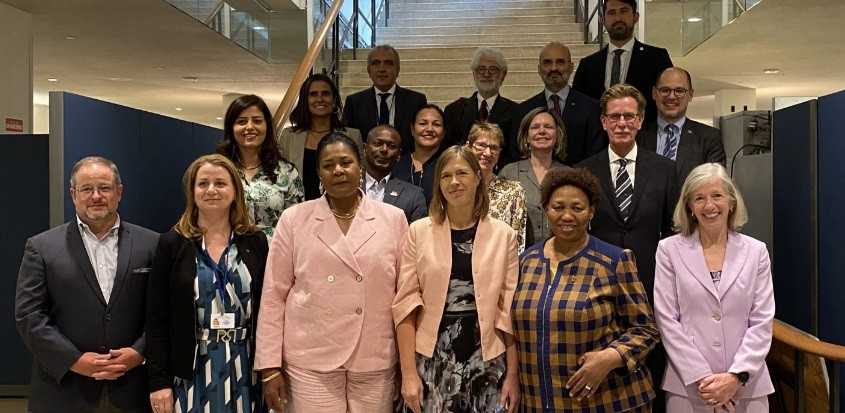 United Nations High Level Panel forwards urgent solutions to address the global shortage of teachers 25 September 2023 15 September 2023 Governments worldwide must act decisively to address the global education crisis by elevating and transforming the role, status, and future of the teaching profession according to recommendations from a United Nations High Level Panel.The UN High-level Panel on the Teaching Profession moved on September 15th toward finalizing a set of more than 50 recommendations to be presented to United Nations Secretary General Antonio Guterres and released formally on World Teacher Day, Oct. 5. “What we are seeing here today is historic,” said Education International President and UN panelist Susan Hopgood, “and that is an unprecedented agreement not only about the challenges facing education systems and the teaching profession, but about the specific steps all of us can take in concert to make real progress.” Included in the draft recommendations are a series of urgent calls for government action, including ensuring that teachers and their organizations can engage in social dialogue with governments, including collective bargaining, and policy dialogue on all matters affecting their profession and that this same collaborative framework be the principle means for developing policies on education, teaching, and the teaching profession.The Panel also called for governments to establish national commissions with relevant financial authorities, representatives of teachers’ organizations and others to immediately tackle shortages of adequately trained teachers.The Panel also called on teachers’ organizations to develop, implement, and monitor professional standards for teachers to hold the profession accountable to the highest standards, while urging governments to begin phasing out the use of contract teachers and the hiring of unqualified teachers to fill teacher shortages. Responding to growing global crises on education, the Panel called for the establishment of a Global Fund for Teachers in Emergencies to provide payment of salaries of teachers working in crisis-affected contexts and urged that international financial institutions end all public sector wage bill constraints and austerity measures that have severely depressed education spending globally.One of the main outcomes of the United Nations Transforming Education Summit in 2022, the High-Level Panel on the Teaching Profession, brings together key stakeholders in the education sector to help tackle the growing teacher shortage around the world. https://www.ei-ie.org/en/item/28001:united-nations-high-level-panel-forwards-urgent-solutions-to-address-the-global-shortage-of-teachers
 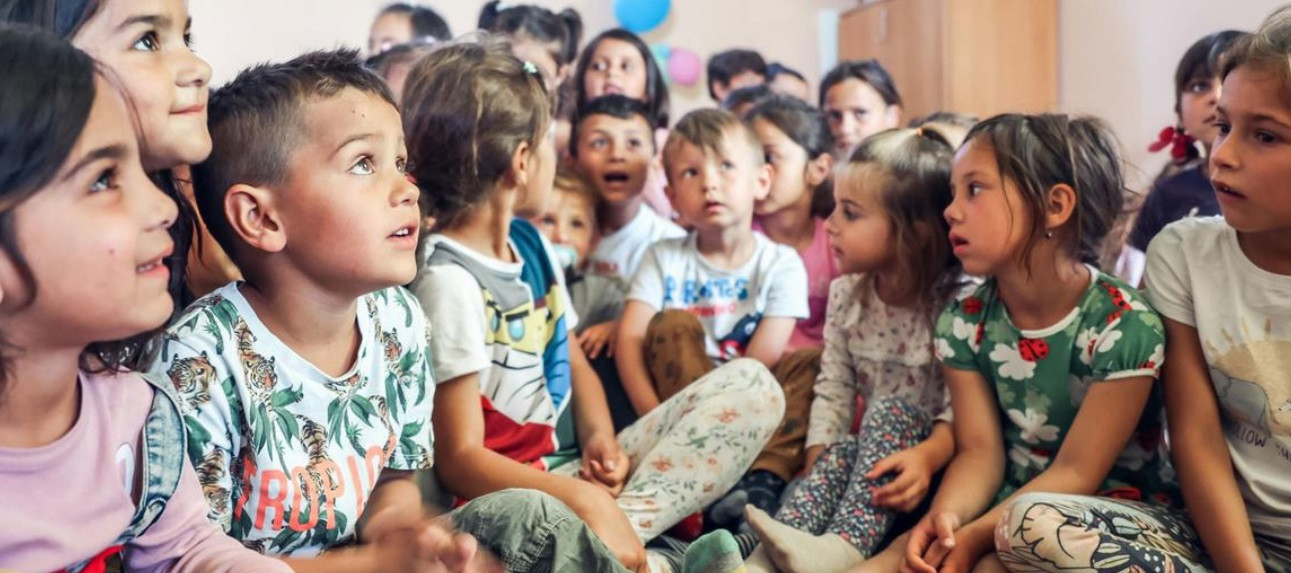 Ukraine: Widespread learning loss continues due to war, COVID-19 25 September 2023 29 August 2023 / Culture and EducationUkrainian children are showing signs of widespread learning loss as Russia’s invasion preceded by the COVID-19 pandemic have left them facing a fourth year of education setbacks, a senior UN children’s agency official said on Tuesday.“Inside Ukraine, attacks on schools have continued unabated, leaving children deeply distressed and without safe spaces to learn”, declared Regina De Dominicis, UNICEF Regional Director for Europe and Central Asia, who recently returned from the country.“Not only has this left Ukraine’s children struggling to progress in their education, but they are also struggling to retain what they learnt when their schools were fully functioning,” she said. Going backwardsAccording to the latest survey data, up to 57 per cent of teachers report a deterioration in students’ Ukrainian language abilities, up to 45 per cent of educators point to a reduction in maths skills, while 52 per cent report a reduction in foreign language abilities.Only a third of children of primary and secondary age are learning fully in-person. Another third of enrolled students are learning through a mixed approach of in-person and online, and one-third are fully remote.Online learning can complement in-person learning and provide a short-term solution, but it cannot fully replace in-person classes, which are especially critical for social development and foundational learning among young children, said the UNICEF Director.According to national survey data, two-thirds of preschool-age children are not attending any kind of learning facility. In frontline areas, three-quarters of parents report not sending their children to preschool, UNICEF noted. Half of child refugees out of schoolFor Ukraine’s refugee children, there is yet more uncertainty, with more than half of children from preschool to secondary school not enrolled in national education systems across seven countries hosting refugees.Pre-schoolers and secondary-age students are the most likely to miss out. Language barriers, difficulty in accessing school, and overstretched education systems are among the contributing factors, said UNICEF. Some young refugees are likely attempting to study online, either via the Ukrainian curriculum or through other distance learning platforms whereas others may have completely abandoned their education, the agency warned.In times of crisis or war, schools provide far more than a place of learning, Ms. De Dominicis said. They can provide children who have already endured loss, displacement and violence with a sense of routine and safety, a chance to build friendships and get help from teachers.They can promote access to vaccines, nutrition and services to support mental health and well-being. Government allianceUNICEF is working with governments and partners on the ground in Ukraine and countries hosting refugee children and families to help increase access to quality learning. They agency is also working with the Ukrainian Government to support learning recovery and alignment with regional standards to remove barriers to education and ensure lifelong learning for all.This includes rehabilitating schools and providing much needed catch-up classes in core subjects, with the aim of supporting 300,000 children at risk of learning losses in Ukraine over the coming school year. https://news.un.org/en/story/2023/08/1140157
 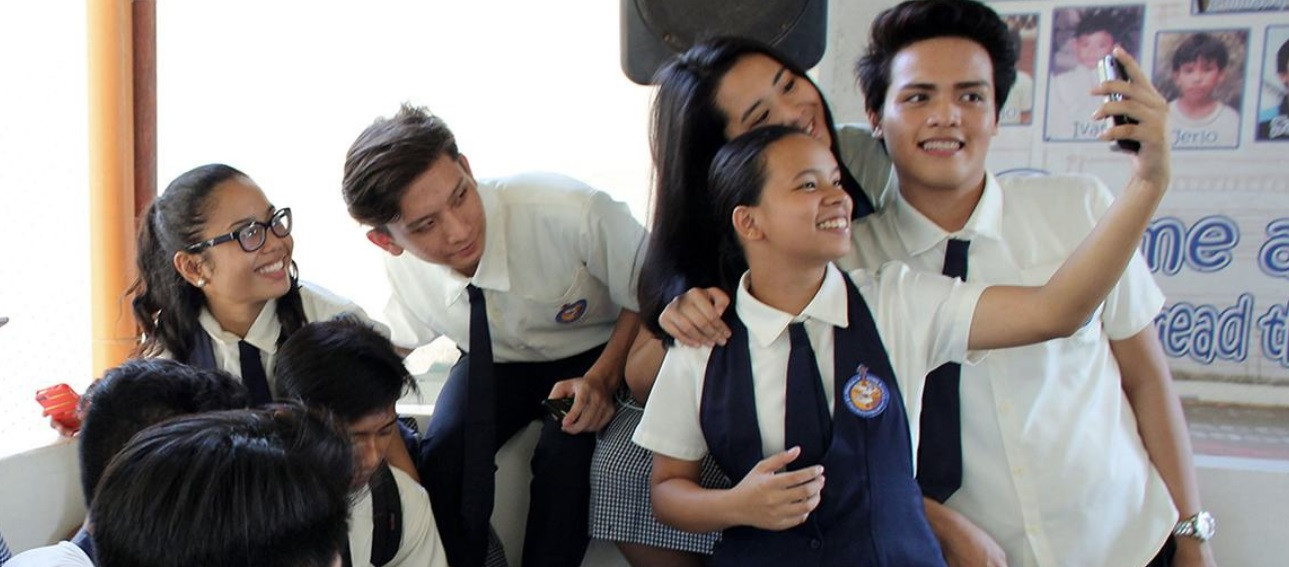 UNESCO education report advises appropriate use of technology in schools 25 September 2023 26 July 2023 / Culture and EducationA new UN report raised concerns on Wednesday about the excessive use of smartphones in schools worldwide. According to the UN's education, science and culture agency UNESCO, the over-use of mobile phones impacts learning.UNESCO’s report on technology in education urges countries to carefully consider how technology is used in schools.It emphasises the need for a "human-centered vision” where digital technology serves as a tool rather than taking precedence. Speaking to UN News, UNESCO’s Manos Antoninis also warned of the danger of data leaks in educational tech, as only 16 per cent of countries guarantee data privacy in the classroom, by law. Abuse of data “We know that vast amounts of data are being used without the appropriate regulation, so this data ends up being used for other non-educational purposes, commercial purposes and that’s of course a violation of rights that needs to be regulated." The UNESCO report also highlights the disparities created by digital learning. During the COVID-19 pandemic, half a billion students worldwide were left out due to the shift to online-only tuition. Geographically, the report noted a significant imbalance in online resources favouring Europe and North America. UNESCO is urging countries to set their own standards for the way technology is designed and used in education such that it never replaces in-person, teacher-led instruction and supports the shared objective of quality education for all. Huge potential“The digital revolution holds immeasurable potential but, just as warnings have been voiced for how it should be regulated in society, similar attention must be paid to the way it is used in education,” warned UNESCO Director-General Audrey Azoulay. “Its use must be for enhanced learning experiences and for the well-being of students and teachers, not to their detriment.” The report, Technology in education: A tool on whose terms? was launched at an event in Montevideo, Uruguay hosted by UNESCO and the Ministry of Education and Culture of Uruguay, with additional support from the Ceibal Foundation and 18 ministers of education from around the world. It proposes four questions that policymakers and educators should reflect upon as educational technology becomes increasingly accessible and utilized around the globe. Appropriate useThe first question focuses on the appropriate use of technology in class. Disabled children who may struggle in a traditional, in-person setting may also benefit from the option of technological assistance. “The opportunities it has opened up are incredible, and we are always amazed by the new windows this opens for learners,” said Manos Antoninis, the Director responsible for producing the report. “We need to learn about our past mistakes when using technology in education so that we do not repeat them in the future,” said Mr. Antoninis. “We need to teach children to live both with and without technology; to take what they need from the abundance of information, but to ignore what is not necessary; to let technology support, but never supplant human interactions in teaching and learning,” he added. Equal opportunitieThe rapid shift to online learning during the COVID-19 pandemic left out an estimated 500 million students worldwide, mostly affecting those in marginalized, rural communities. The report underlines that the right to education is increasingly synonymous with the right to meaningful connectivity, yet one in four primary schools do not have electricity. It calls for all countries to set benchmarks for connecting schools to the Internet between now and 2030, and for the primary focus to remain on these marginalized communities. Is it scalable? There’s a lack of impartial evidence concerning the added value of tech. Most evidence comes from the United States, where the What Works Clearinghouse pointed out that less than two per cent of education interventions assessed had “strong or moderate evidence of effectiveness.” The evolution of technology is putting strain on education systems to adapt, UNESCO argues. Digital literacy and critical thinking are increasingly important, particularly with the growth of generative AI. Additional data in the report shows that this adaptation movement has begun: 54 per cent of countries surveyed have outlined skills they want to develop for the future, but only 11 out of 51 governments surveyed have curricula for AI. “Let's not forget that to be able to navigate the digital world, we don't necessarily need very sophisticated skills. Those who have the best reading skills are those least likely to be duped by a phishing email, for instance,” said Mr. Antoninis. Moreover, teachers also need appropriate training yet only half of countries currently have standards for developing educators’ information and communication technology skills. Even fewer have teacher training programmes covering cybersecurity, despite five per cent of ransomware attacks targeting education. https://news.un.org/en/story/2023/07/1139122
 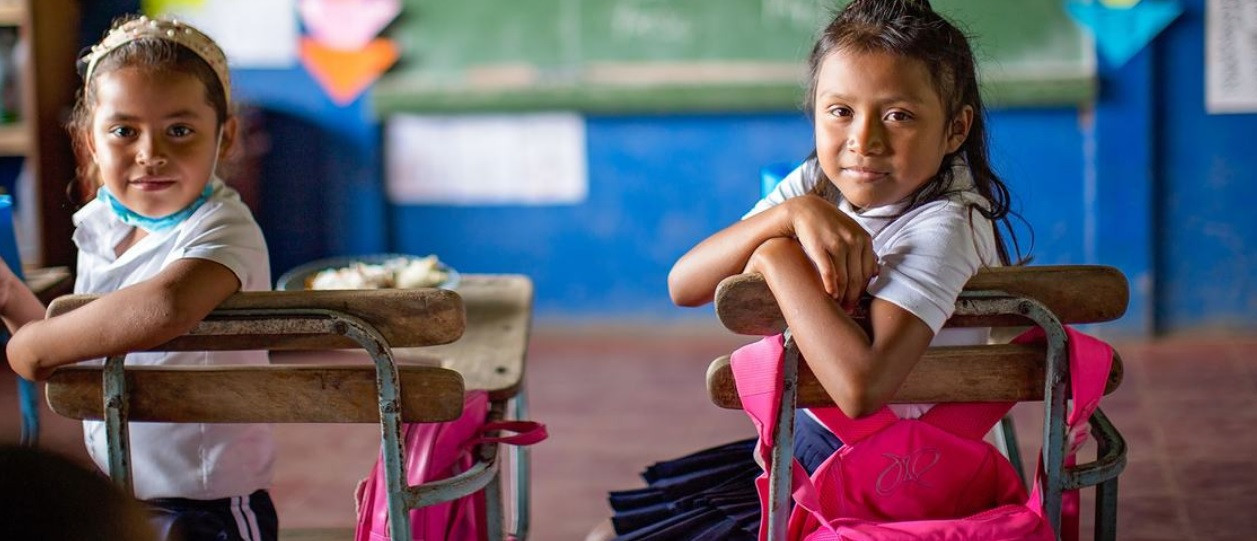 ‘Transforming education’: Ensuring children and societies are learners 25 September 2023 4 August 2023 / Culture and EducationThe UN launched on Friday a policy brief on transforming education, which lays out a set of proposals to create inclusive and truly learning societies, and to understand education as a global public good.The brief recognizes that education faces both a crisis of access as well as a crisis of quality and relevance, Leonardo Garnier, Special Adviser of the Secretary-General on the Transforming Education Summit, said at a press briefing in New York.“While millions around the world are still excluded from education, many of those who do attend formal schooling are not even learning the basics,” he added, noting that current education systems are not preparing children to confront the complex challenges they will face in the rapidly changing future.“We must make sure that every child who goes to school also learns what they have to learn,” Mr. Garnier stressed. Set of key principlesThe policy brief presents a set of key principles which countries can consider to improve learning.The principles include moving away from a “static” model of education to a more learner centered one to foster life-long learning in societies, ensuring equality and inclusion in and through education for all, and making curricula and pedagogies effective and relevant.“Curricula must be relevant for today and for the future, with a particular focus on education for sustainable development, and fostering a culture of civic responsibility, peace and respect for human diversity,” Mr. Garnier said.Transforming teachers and teaching; harnessing the digital resolution; and investing more, more equitably and more efficiently in education, are also included among the key principles.“Governments must abandon short-term thinking, and reframe their approach to financing of education as a crucial investment […] with significant medium- and long-term returns,” Mr. Garnier added. Changing the cultureAlso speaking, Stefania Giannini, UN Educational, Scientific and Cultural Organization (UNESCO)’s Assistant Director-General for Education, highlighted that the policy brief provides a “clear vision”.On one hand, it addresses the preexisting learning crisis, which has been exacerbated by the COVID-19 pandemic, and on the other, it links clearly the development outcomes of education, she said.“It is about moving from a culture of reforming education systems to a culture of transformation – not simply incremental change, but resulting in education systems different from today,” Ms. Giannini added.The brief, stemming from the Transforming Education Summit last year, is a result of consultations at country and global levels. It is grounded in over 140 statements of commitment by governments at the Summit. Next stepsMs. Giannini went on to note that the upcoming SDG Summit in September will be an important moment to showcase the concrete steps that are being taken to transform education.The event will pave the way to a 2024 global meeting that will take stock of the progress made since the movement started in 2022, she added, informing also on the coordinated work across the UN system. https://news.un.org/en/story/2023/08/1139447
  What does social emotional learning really mean? 15 September 2023 22 July 2021, Justina Schlund (CASEL) In school systems around the world, there’s growing appreciation of the importance of social and emotional learning (SEL). But ask a few people to define SEL, and you’re likely to hear a few different responses.One of the most widely cited definitions is that of our nonprofit, the Collaborative for Academic, Social, and Emotional Learning (CASEL). At its core, SEL is the process through which all young people and adults acquire and apply the knowledge, skills, and attitudes to develop healthy identities, manage emotions and achieve personal and collective goals, feel and show empathy for others, establish and maintain supportive relationships, and make responsible and caring decisions.In schools, SEL can take many different forms, but often involves a focus on building positive relationships among students and adults, dedicated time to learn social and emotional skills, and weaving in opportunities for students to practice reflection and collaboration during academic subjects. SEL also provides schools with ways to work more closely with families and community partners to develop shared priorities and coordinate practices across different places where students live and learn.Here are five facts to help your community align around a clear understanding of SEL: 1. SEL is for everyone.Learning and practicing self-awareness, self-management, social awareness, relationship skills, and responsible decision-making creates a foundation for any goal you hope to achieve — whether it relates to school, career, family, or civic life. That’s why SEL is important for all students no matter their academic levels, ability types, behavior records, or home lives. In fact, SEL isn’t limited to students. It also helps adults examine their own feelings and thoughts, manage stress, collaborate with colleagues, navigate different perspectives, and make caring choices.Key takeaway: Take a systemic approach to SEL that actively involves all students and adults in learning and practicing social and emotional competencies. 2. SEL is grounded in science.A large body of research across multiple countries shows the impact of SEL on a wide range of outcomes that support students’ success and well-being. Focused on what we learn and how we learn, SEL draws from brain science and practical implementation to highlight how best to promote healthy development. Research has shown that we think and learn best when we have supportive relationships, feel a sense of security and belonging, and have opportunities to develop and practice our social, emotional, and cognitive skills across many different contexts. Key takeaway: Ensure SEL implementation stays true to the science by using evidence-based programs and continuous improvement processes. 3. SEL bolsters academic learning.One important outcome of SEL is that it increases students’ academic performance. SEL builds skills that boost academic achievement in core subject areas while creating the relationships and environments that are most conducive to learning. In fact, 93% of teachers want a greater focus on SEL in schools because they know that it improves students’ academic performance, classroom behaviors, and attitudes about school. Key takeaway: Look for indicators of SEL in classrooms and schools, including supportive classroom environments, SEL integrated into academic instruction, and explicit teaching of SEL. 4. SEL builds on strengths. SEL gives students opportunities to learn about, appreciate, and build on their unique talents, interests, perspectives, and experiences. While SEL helps reduce risky behaviors and improve mental health, it’s not intended to “control” children’s behaviors or diagnose problems. Instead, it’s meant to enhance the many social and emotional strengths that all students already possess. Key takeaway: Adopt strengths-based SEL practices and assessments, ensure discipline policies promote SEL, and use SEL to elevate student voice. 5. SEL extends across schools, homes, and communities.SEL is about students, educators, families, and communities working together to create learning experiences and environments that best promote social, emotional, and academic growth. Rather than the work solely of teachers or parents, this coordination ensures students have consistent opportunities to learn and practice SEL across all the places where they live and learn. This also means that SEL isn’t one-size-fits-all, but that school-family-community partnerships determine the shared vision, goals, and plans for SEL in their communities. Key takeaway: Partner with students, families, and community partners to develop SEL plans and continuously improve implementation. By aligning around a clear and consistent definition of SEL, we can bring together coalitions of students, schools, families, and communities to underscore why this work is so important. Together, we can create the learning opportunities and environments that all students deserve. https://medium.com/social-emotional-learning/in-school-systems-around-the-world-theres-growing-appreciation-of-the-importance-of-social-and-fc797d8aa84
 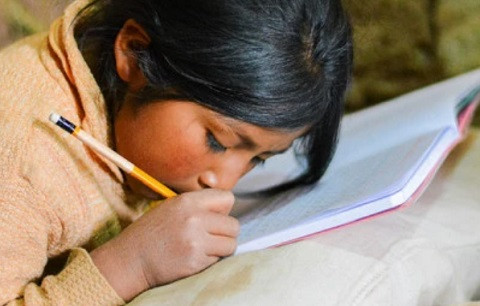 UNESCO Futures of Education Commission urges planning ahead against increased inequalities in the aftermath of the Covid-19 15 September 2023 16 April 2020 The COVID-19 health crisis has resulted in school and university closures affecting over 90% of the world’s students. Even more drastic disruptions loom on the horizon, according to an independent International Commission on the Futures of Education appointed by UNESCO Director-General Audrey Azoulay in September 2019. Even when schools reopen, the emerging economic recession threatens to exacerbate inequalities and could rollback progress made in expanding educational access and improving the quality of learning globally, the commission warned during an online meeting on 9 April. Chaired by the President of Ethiopia Sahle-Work Zewde, the International Commission for the Futures of education brings together thought leaders from the worlds of politics, academia, civil society, education, and business. The COVID-19 crisis has underscored the importance of the Commission’s mandate to reflect on how knowledge and learning need to be rethought in an increasingly uncertain and fragile world. During its special meeting dedicated to the COVID-19 crisis, the Commission issued a Joint Statement on how education needs to be protected and transformed for our shared future and common humanity.In her remarks to the Commission, UNESCO Director-General Audrey Azoulay noted that “We now see that online distance learning cannot be the sole solution, as it tends to exacerbate already existing inequalities that are partly levelled in school settings. This will be of interest for this Commission whose task is rethinking the future of education, including appropriate articulation between distance and classroom learning”.President Sahle-Work said, “At my age, I have seen a multitude of effects caused by various crises. But with the current global pandemic, I am not sure we have drawn the pivotal lessons from the past required to mitigate the ill-effects of the disruptions caused to our lives. COVID-19 does not discriminate and is redefining our reality. We should respond with humility, solidarity and empathy.”According to the Commission, as humanity looks for ways to transform the world for the better after the worst health crisis in a century, we must rethink social policies, including education, and address long-standing issues of structural inequality, poverty and exclusion. An impending global recession is likely to have drastic consequences for the funding of education and other public services as well as for individuals’ lives and livelihoods. During this time, global commitments to education must be maintained and resources directed to those who have been hardest hit socially, economically and educationally. The Commission urges that crises—in global health and education—be addressed through solidarity, empathy and appreciation for our common humanity.See Statement by the Futures of Education https://www.unesco.org/en/articles/unesco-futures-education-commission-urges-planning-ahead-against-increased-inequalities-aftermath?hub=701
 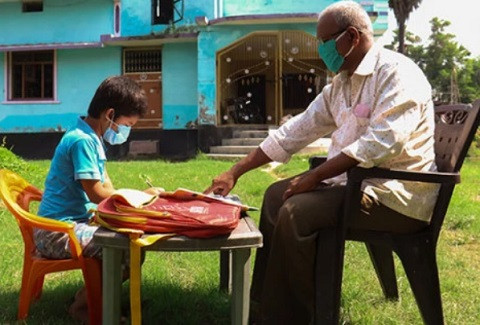 1 in 3 countries are not taking action to help students catch up on their learning post-COVID-19 school closures 15 September 2023 12 July 2021 A new UNESCO, UNICEF, World Bank and OECD Report documents education responses to COVID-19 in 142 countriesAround one in three countries where schools are or have been closed are not yet implementing remedial programmes post-COVID-19 school closures, according to a UNESCO, UNICEF, World Bank and OECD global “Survey on National Education Responses to COVID-19 School Closures”. At the same time, only one-third of countries are taking steps to measure learning losses in primary and lower second levels – mostly among high-income countries. "Measuring learning loss is a critical first step towards mitigating its consequences. It is vital that countries invest in assessing the magnitude of such losses to implement the appropriate remedial measures."- Silvia Montoya, Director of UNESCO Institute for Statistics - Fewer than a third of low- and middle-income countries reported that all students had returned to in-person schooling, heightening their risk of learning loss and drop-out. However, the majority of countries reported using at least one form of outreach to encourage students’ return to school, including community engagement, school-based tracking, modification to water, sanitation and hygiene services, financial incentives and review of access policies. "Remedial instruction is vital to help those children who have missed out on school to get back on track and reduce long-term learning losses. This requires an urgent effort to measure students’ learning levels today and collect good quality data to inform classroom practices, as envisioned under the UNICEF, UNESCO, and World Bank's Learning Data Compact."- Jaime Saavedra, Global Director for Education, World Bank - The Survey documents how countries are monitoring and mitigating learning losses, addressing the challenge of reopening schools and deploying distance learning strategies. In total, 142 countries responded to the Survey that covers the period from February to May 2021 and spans pre-primary, primary, lower secondary and upper secondary. "Remote learning has been a lifeline for many children around the world during school closures. But for the most vulnerable, even this was out of reach. It is urgent that we get every child back into the classroom now. But we cannot stop there; reopening better means implementing remedial programmes to help students get back on track, and ensuring that we prioritize girls and vulnerable children in all our efforts."- Robert Jenkins, UNICEF Global Chief of Education - Key findings from the Survey include: Countries have responded with a variety of measures to mitigate potential learning losses from school closures: around 40 per cent of countries extended the academic year and a similar proportion of countries prioritized certain curriculum areas. However, more than half of the countries reported that no adjustments have been or will be made. Many countries improved health and safety standards at examination centres, still, 28 per cent of countries cancelled examinations in lower secondary and 18 per cent of countries did so in upper secondary education. Reviewing or revising access policies was uncommon, especially for girls – a cause for concern as adolescent girls are at the highest risk of not returning to school in low- and lower-middle-income countries. Low-income countries are lagging in the implementation of even the most basic measures to ensure a return to school. For instance, only less than 10 per cent reported having sufficient soap, clean water, sanitation and hygiene facilities and masks, compared to 96 per cent of high-income countries. The Survey also sheds light on the deployment and effectiveness of distance learning and related support more than one year into the pandemic. Results show that: Most countries took multiple actions to provide remote learning: Radio and TV broadcasts were more popular among low-income countries, while high-income countries provided online learning platforms. However, over a third of low- and lower-middle-income countries reported that less than half of primary school students were reached. Ensuring take-up and engagement requires remote learning strategies suited to the context, parental engagement, support from and to teachers, and ensuring girls and other marginalized children are not left behind. It also requires generating rigorous data on the effectiveness of remote learning. While 73 per cent of countries assessed the effectiveness of at least one distance learning strategy, there is still a need for better evidence on effectiveness in the most difficult contexts. "There is a critical need to produce more and better evidence on remote learning effectiveness, particularly in the most difficult contexts, and to support the development of digital learning policies."- Andreas Schleicher, Director, OECD Education and Skills - In 2020, schools worldwide were fully closed across all four education levels for 79 teaching days on average, representing roughly 40 per cent of total instructional days averaged across OECD and G20 countries. The figures ranged from 53 days in high-income countries to 115 days in lower-middle-income countries.Demand for funds is rising, in competition with other sectors, while governments’ revenues are falling. Nevertheless, 49 per cent of countries increased their education budget in 2020 relative to 2019, while 43 per cent maintained their budget constant. Funding is set to increase in 2021, as more than 60 per cent of countries plan to increase their education budget compared to 2020.These findings reinforce the importance of reopening schools, remedial learning and more effective remote learning systems that can better withstand future crises and reach all students. Moreover, it shows that the measurement of learning losses due to COVID-19 related to school closures is a critical effort for most countries and development partners, highlighted by the recent partnership of UNESCO, UNICEF and the World Bank around the Learning Data Compact. The Survey is in line with the Mission: Recovering Education 2021 by which the World Bank, UNESCO, and UNICEF are partnering to support countries as they take all actions possible to plan, prioritize, and ensure that all learners are back in school; that schools take all measures to reopen safely; that students receive effective remedial learning and comprehensive services to help recover learning losses and improve overall welfare; and their teachers are prepared and supported to meet their learning needs.The Survey will be launched during the Ministerial segment of the Global Education Meeting on 13 July. Notes to editors:This is the third Survey on National Education Responses to COVID-19 School Closures, in which the UNESCO Institute for Statistics (UIS) and OECD sought information from Ministry of Education officials. The Survey was conducted in collaboration with UNICEF, the World Bank and UNESCO’s Global Education Monitoring Report, with financial support from the Global Partnership for Education. https://www.unesco.org/en/articles/1-3-countries-are-not-taking-action-help-students-catch-their-learning-post-covid-19-school-closures?hub=701