
Resources
Explore a wide range of valuable resources on GCED to deepen your understanding and enhance your research, advocacy, teaching, and learning.
8,348 Results found
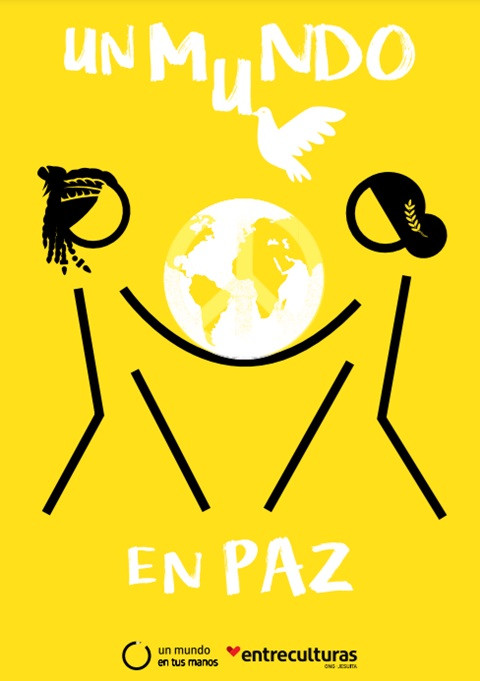 A World at Peace Year of publication: 2022 Corporate author: Entreculturas A world in peace is part of “A world in your hands”, Entreculturas’ pedagogical proposal to educate in global citizenship. With it we aim to contribute to the training of people capable of exercising active and committed citizenship, of transforming their environment and of assuming as their own the global challenges of our time such as the fulfillment of the 2030 Agenda and the Sustainable Development Goals. In this publication we collect proposals to work on the culture of peace and develop knowledge, values and social and civic skills that allow people who work on them to actively commit to coexistence, conflict resolution and the creation of a culture of peace in their environments and at a global level.
  So That Nature Lives Year of publication: 2020 Author: Enky Wave Corporate author: National Museum of Natural History | Création Collective In the face of growing environmental collapse, the National History Museum's scientists are speaking out to alert people. The central theme of So that nature lives on is nature: understanding it better to preserve it more effectively. In each 30-minute episode, a researcher shares his or her knowledge and solutions to help us better understand living things and the world around us.
 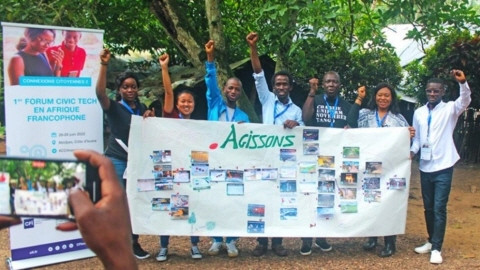 Civic Tech in Africa: When Citizen’s Connections Work for Democracy Year of publication: 2022 Author: Raphaëlle Constant Corporate author: Radio France International (RFI) The first civic tech forum in French-speaking Africa was held at the end of June in Abidjan, Côte d'Ivoire, at the initiative of CFI. For "L'atelier des médias", Raphaëlle Constant spoke to the people who are developing digital initiatives in several African countries to improve the flow of information and mobilise citizens to influence public debate.
  The Impact of Climate Displacement on the Right to Education Year of publication: 2020 Corporate author: UNESCO Ce rapport tente d'expliquer les conséquences du réchauffement climatique sur l'éducation des populations, vouées à se déplacer pour fuir la dégradation de leur environnement, ce qui empêche les enfants de suivre une scolarisation complète et de qualité. This report attempts to explain the consequences of global warming on the education of populations, who are forced to move to escape the degradation of their environment, preventing children from receiving a complete, quality education.
 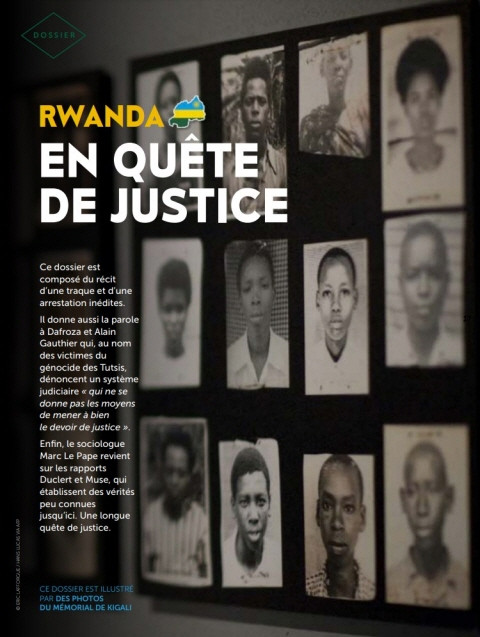 Rwanda: In Search of Justice(Humains; no.30) Year of publication: 2024 Corporate author: Action by Christians for the Abolition of Torture (ACAT France) On the thirtieth anniversary of the genocide of the Tutsis in Rwanda, ACAT-France looks back at this tragic event for human rights. Discover the dossier in the magazine Humains #32 devoted to this subject.
 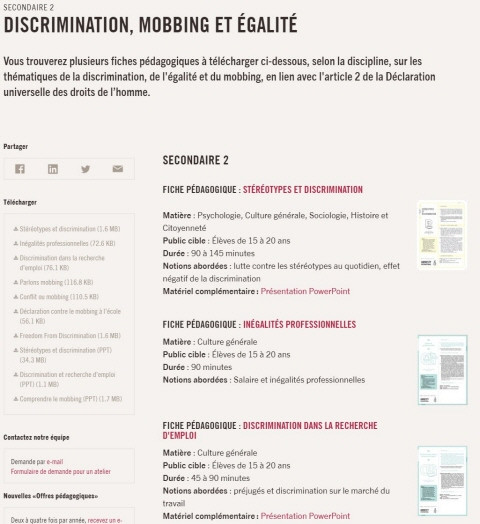 Discrimination, Mobbing and Equality Corporate author: Amnesty International. Swiss Section These 7 education sheets(Stereotypes and Discrimination, Occupational Inequalities, Discrimination in Job Searching, Let’s Talk about Mobbing!, Conflict or Mobbing?, Declaration against Mobbing at School, Freedom from Discrimination) cover the themes of discrimination, equality and mobbing(conflictual relations in the workplace, both between colleagues and between superiors and subordinates), in relation to article 2 of the Universal Declaration of Human Rights.
  Indigenous Languages: One Year After the Launch of the Decade by UNESCO Year of publication: 2024 Corporate author: Radio France International (RFI) One year on from the launch of the great cause dedicated to protecting the world's indigenous languages: what action has been taken? Are some languages more endangered than others?
  Food Sovereignty Year of publication: 2023 Corporate author: Quebec Association of International Cooperation Organizations (AQOCI) In 2023-2024, AQOCI and its members have chosen food sovereignty as the theme for their global citizenship education campaigns. These campaigns include videos explaining food sovereignty and related issues.
  Are Journalists Objective?: The Keys to the Media Year of publication: 2021 Corporate author: Centre pour l’éducation aux médias et à l’information (CLEMI) Dans cette vidéo proposée par Clemi nous suivons l'arrivée d'une nouvelle professeur de mathématiques dans un collège. Chacun a un avis très tranché sur elle. Kamel l’adore, Cindy ne comprend rien à ce qu’elle raconte, Leonard la trouve sévère et Fama l’aime bien. Qui a raison, qui a tort ? Peut-être un peu tout le monde… Chacun la regarde selon son point de vue. Cette comparaison permet de s'interroger sur l'objectivité des médias. In this video from Clemi, we follow the arrival of a new maths teacher at a secondary school. Everyone has a very strong opinion of her. Kamel adores her, Cindy doesn't understand a word she says Leonard thinks she's harsh and Fama likes her. Who's right, who's wrong? Maybe a bit of everyone... Everyone looks at her from their own point of view. This comparison raises questions about the objectivity of the media.
 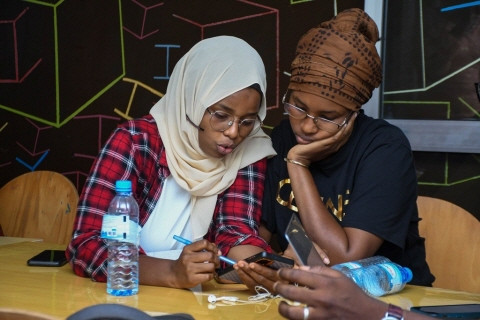 Fighting Against Disinformation and Hate Speech Year of publication: 2024 Corporate author: Association of Guinean Bloggers (ABLOGUI) This online MOOC is completely free. It is offered by the Association des Blogueurs de Guinée (ABLOGUI) through the IMPACT project (Implication of Digital Media in the Active Prevention of Conflicts and Tensions). It aims at raising awareness among young Guineans of the dangers of misinformation and hate speech, and to equip them with the knowledge and skills they need to combat information disorder in a digital world.