
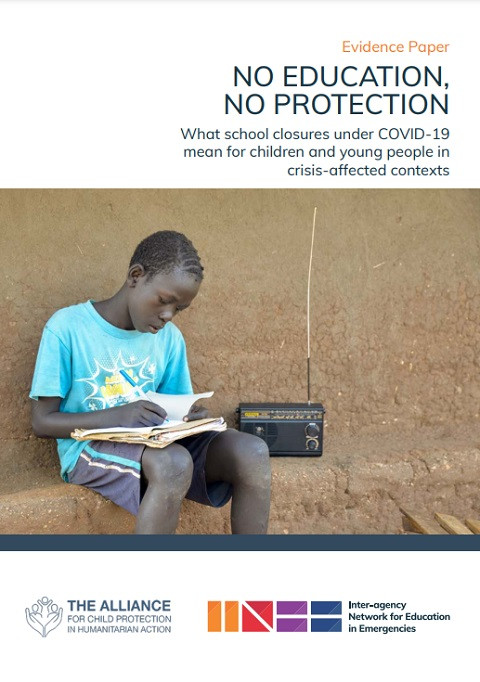
© INEE and the Alliance 2021
No Education, No Protection: What School Closures Under COVID-19 Mean for Children and Young People in Crisis-Affected Contexts
- Auteur institutionnel
- Inter-agency Network for Education in Emergencies (INEE)Alliance for Child Protection in Humanitarian
- Collation
- 69 p. (eng)
- Langue de la ressource
- AnglaisPortugais
- Année de publication
- 2021
- Thème
- Civisme / Citoyenneté / DémocratieDiversité / Compétence culturelle / InclusionDroits de l'hommeMondialisation et justice sociale / Compréhension internationaleDéveloppement durable / Durabilité
- Type de ressource
- Research papers / journal articles
- Niveau d’éducation
- Éducation et protection de la petite enfanceEnseignement primaireEnseignement secondaire
- Lieu de publication
- New York
Drawing from research and experience on previous infectious disease outbreaks and an emergent body of work from the current COVID-19 pandemic, this report highlights the primarily negative effects resulting from the combination of sudden school closures and restricted access to and availability of services, social networks, and other protective facilities for children and young people living in crisis-affected contexts. The consequences of school closures on education and child protection can be categorized into three principal areas:
1. Loss of learning and impediments to providing inclusive, equitable, quality education
2. Negative impact on child well-being and healthy development
3. Amplified child protection risks and harms experienced by children and young people
Ressources associées
-
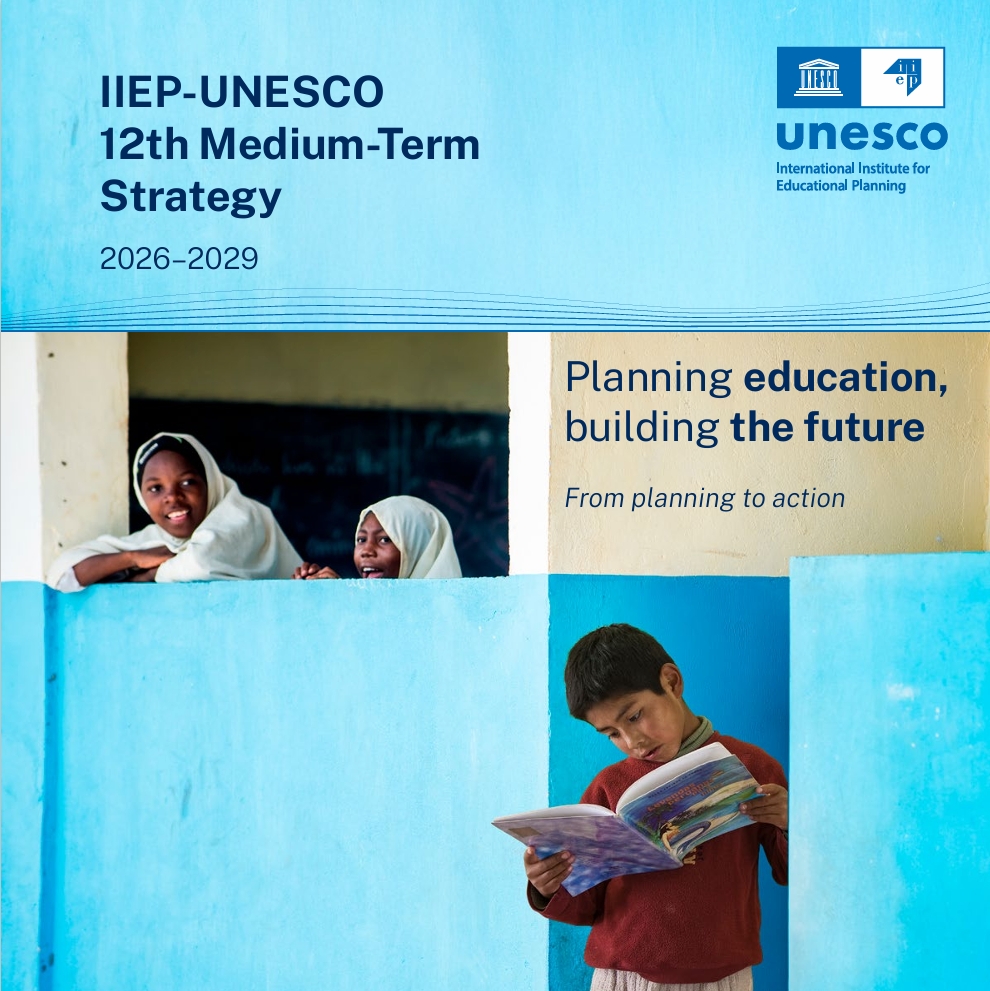 IIEP-UNESCO 12th Medium-Term Strategy: 2026–2029
 -
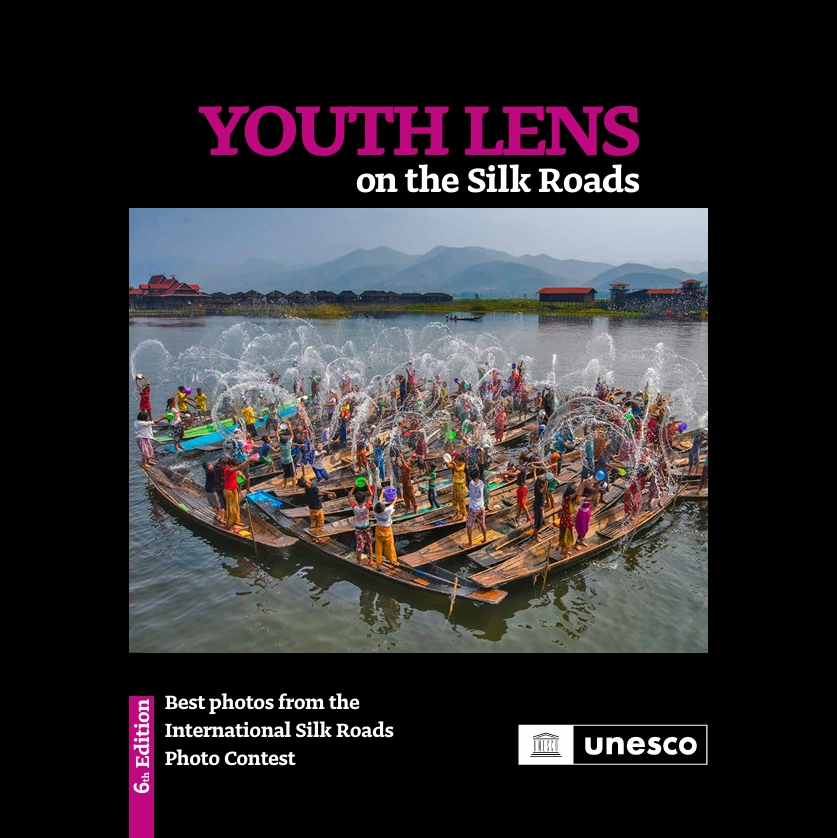 Youth Lens on the Silk Roads: Best Photos from the International Silk Roads Photo Contest; 6th Edition
 -
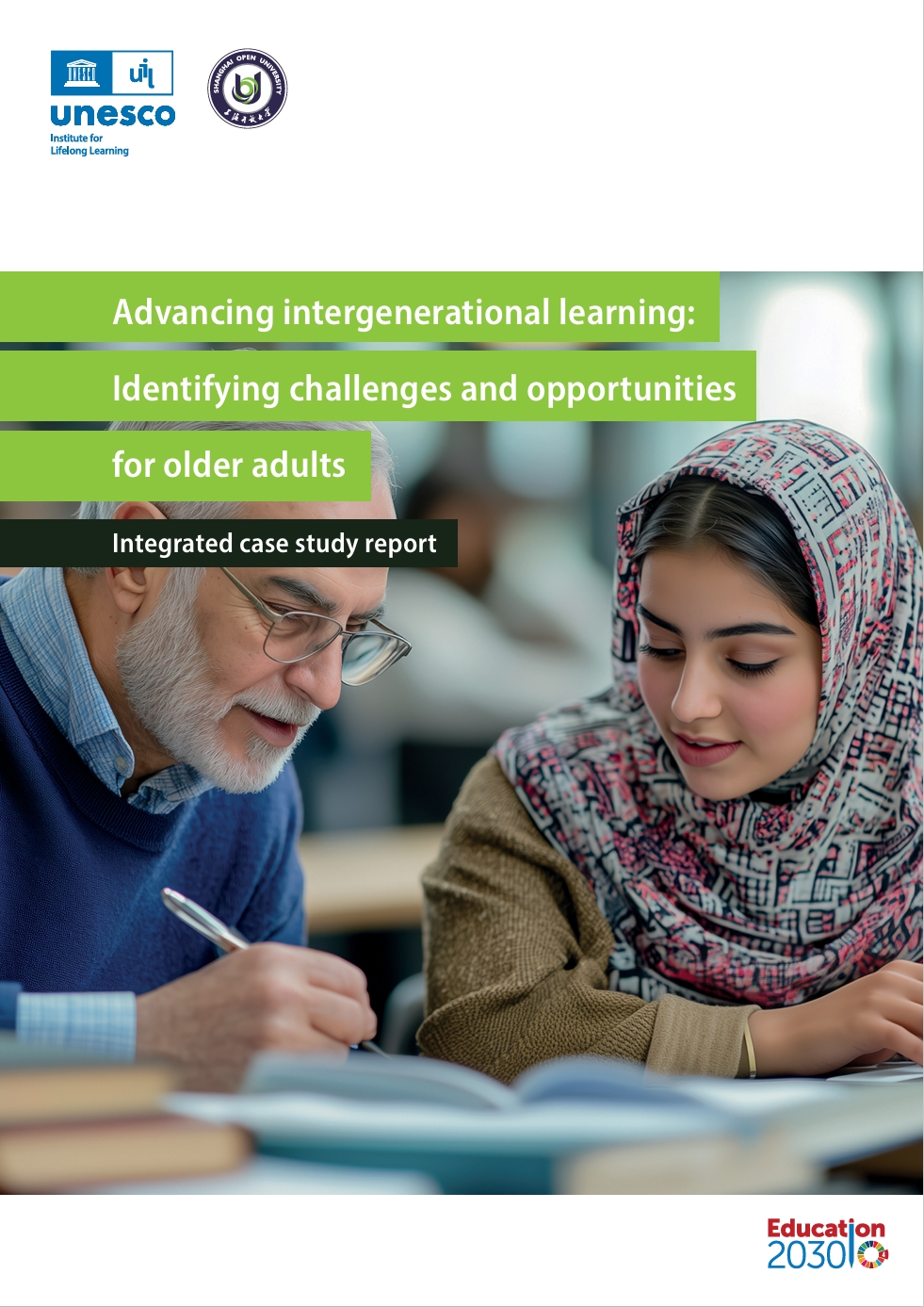 Advancing Intergenerational Learning: Identifying Challenges and Opportunities for Older Adults; Integrated Case Study Report
 -
 Digital Empowerment for Lifelong Learning and Transformative Andragogy (DELTA) for Adult Educators: Introduction to the DELTA Framework and Resources