
Resources
Explore a wide range of valuable resources on GCED to deepen your understanding and enhance your research, advocacy, teaching, and learning.
8,364 Results found
 Evaluating the Impact of Global Citizenship Education on Young People’s Attitudes Towards Equality, Diversity and Tolerance Year of publication: 2019 Author: Oakleigh Welply | Abderrahim Taamouti | Gabriel Bracons Font Corporate author: WISE | Durham University This research aims to address questions around the implementation, measurement, and success of Global Citizenship Education (GCE) as a response to the global challenges of the twenty-first century. GCE aims to foster peaceful, inclusive, tolerant, sustainable, and socially just societies; yet despite its centrality in international policy discourse and academic research, the impact of GCE on young people’s attitudes towards inequalities in society or human rights remains relatively unexplored.
 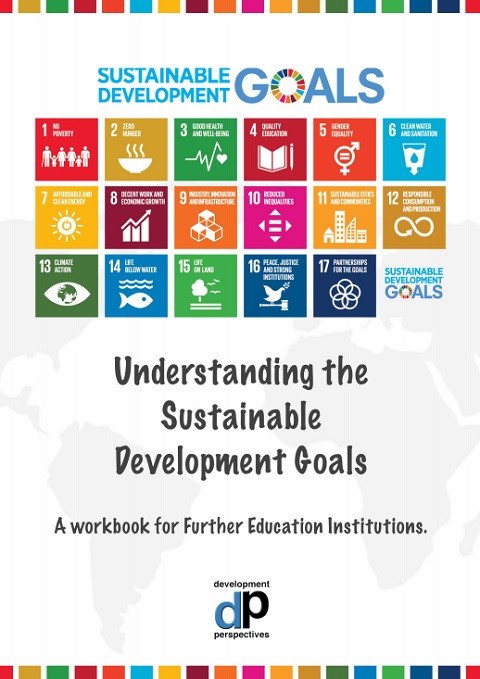 Understanding the Sustainable Development Goals: A Workbook for Further Education Institutions Year of publication: 2020 Author: Peggy Flanagan | Stephanie Kirwan Corporate author: Development Perspectives | Irish Aid This Sustainable Development Goals (SDG) workbook has been developed and produced specifically for the use of Further Education tutors. Through their partnerships, practitioners have requested that Development Perspectives develop a workbook with sessions on the SDGs specifically for adults in formal and non-formal learning contexts including groups in the community sector. This is an easy to use workbook with sessions for each of the 17 SDGs that could be delivered individually based on the interest of the adults and communities involved in each session.
  Stepping Stones for the Sustainable Development Goals: A Workbook for Community and Adult Education Practitioners Year of publication: 2020 Author: Jennifer Harris Corporate author: Development Perspectives | Irish Aid The aim of this workbook is to provide a tool for Adult and Community groups and their leaders to understand the Sustainable Development Goals (SDGs) and to take meaningful action on those Goals. It aims to support adult and community educators in integrating the SDGs into their work using the principles and methodologies embraced by Development Education (DE)and Global Citizenship Education (GCE).
  Confronting White Nationalism in Schools: A Toolkit Year of publication: 2019 Author: Nora Flanagan | Jessica Acee | Lindsay Schubiner Corporate author: Western States Center This toolkit shows strategies to counter white nationalist organizing in schools through sample scenarios that schools frequently encounter. It also offers advice for parents, students, teachers, school administrators, and the wider community. Many resources currently exist that address diversity, inclusion, and bullying in schools; a few of them are listed in the resources section. This toolkit is specifically focused on responding to white nationalist targeting and recruitment of students.
 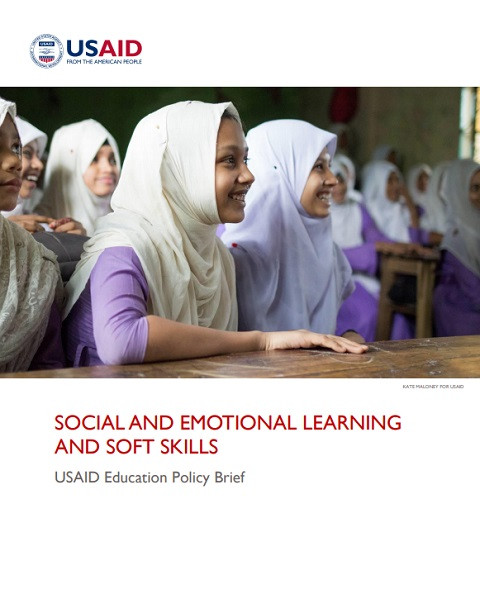 Social and Emotional Learning and Soft Skills: USAID Education Policy Brief Year of publication: 2019 Author: Kalene Resler | Anjuli Shivshanker | Samantha Alvis | Chris Capacci-Carneal | Melissa Chiappetta | Lauren Greubel | Julie Hanson Swanson | Ashley Henderson | Josh Josa | Laura Lartigue | Rebeca Martinez | Leah Maxson | Olga Merchan | Yolande Miller-Grandvaux | Sandy Oleksy-Ojikutu | Rebecca Pagel | Nancy Taggart | Nina Weisenhorn | Wendy Wheaton Corporate author: United States Agency for International Development (USAID) Both the 2018 USG Strategy on International Basic Education and the 2018 USAID Education Policy emphasize the importance of social and emotional skills or soft skills in assuring the long-term success of children and youth. Through the Strategy and Policy, USAID is providing new opportunities to systematically design, measure, implement, and understand the impact of programs that build social and emotional skills or soft skills for children and youth.To support USAID staff and implementing partners in this work, this brief: Provides an introductory understanding of what USAID means by the terms “social and emotional skills” and “soft skills” and how to communicate about them. Specifies the desired outcomes and quality standards for programming that teach social and emotional skills or soft skills. Identifies areas in which evidence and best practices still have gaps, and areas in which we should consider investing in further learning.
  World Programme for Human Rights Education: Plan of Action; Third Phase Year of publication: 2017 Corporate author: UNESCO | UN. Office of the United Nations High Commissioner for Human Rights (UN. OHCHR) The plan of action for the third phase (2015–2019) of the World Programme, which benefited from the input and review of governmental and nongovernmental experts and practitioners, proposes a concrete strategy and practical ideas for further implementing human rights education and training in the above-mentioned areas at the national level. Its key elements are highlighted below:Human rights education in the primary and secondary school systems and in higher education, and human rights training for teachers and educators, civil servants, law enforcement officials and the military.
 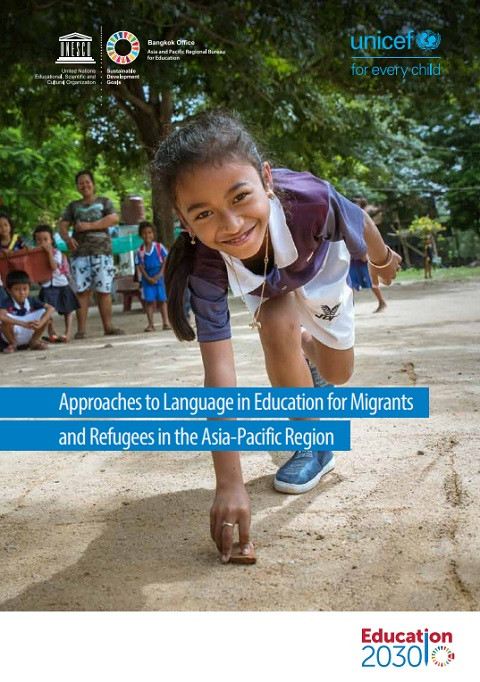 Approaches to Language in Education for Migrants and Refugees in the Asia-Pacific Region Year of publication: 2020 Corporate author: UNESCO | United Nations Children's Fund (UNICEF) UNESCO Bangkok commissioned this paper to examine strategies for addressing the needs of refugee, migrant and internally displaced children in the Asia-Pacific region. This document aims to create a stronger knowledge base to support Member States as they formulate education policies that are responsive to the needs of such children. This document aims to:Examine how linguistic diversity and human mobility intersect and impact minority, migrant and refugee children’s access to quality, inclusive educationLink policy priorities to promising practices, based on international frameworks and lessons learned from successful programmesRecommend steps for improving language-in-education policies and their implementation. To do this, this paper examines:Global and regional trends in migrationThe impact of migration on children’s educationLinguistic diversity and its implications for language-in-education policies and practicesResearch and resources that support inclusive quality education for migrant and refugee children.
 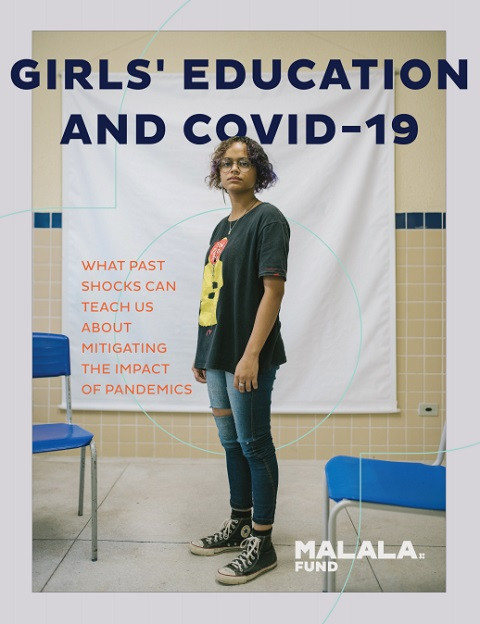 Girls' Education and COVID-19: What Past Shocks Can Teach Us About Mitigating the Impact of Pandemics Year of publication: 2020 Author: Lucia Fry | Philippa Lei Corporate author: Malala Fund Almost 90% of the world’s countries have shut their schools in efforts to slow the transmission of COVID-19. Alongside school closures, governments are also imposing social distancing measures and restricting the movement of people, goods, and services, leading to stalled economies. While this disruption to education and the expected reduction in global growth have far-reaching effects for all, their impact will be particularly detrimental to the most disadvantaged students and their families, especially in poorer countries. The educational consequences of COVID-19 will last beyond the period of school closures, disproportionately affecting marginalized girls.This paper uses insights from previous health and financial shocks to understand how the current global pandemic could affect girls’ education outcomes for years to come. It details how governments and international institutions can mitigate the immediate and longer-term effects of the pandemic on the most marginalized girls. The paper considers the 2014- 15 Ebola epidemic and the 2008 global financial crisis, which both have some parallels to the impact of COVID-19.
 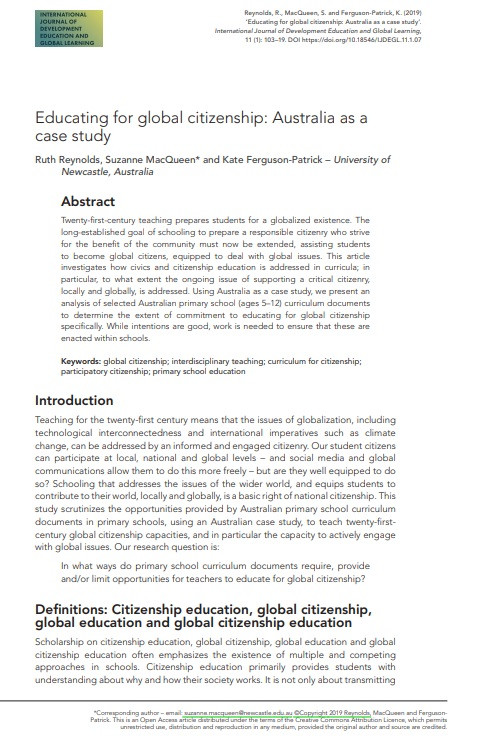 Educating for Global Citizenship: Australia as a Case Study (Vol. 11. No. 1) Year of publication: 2019 Author: Ruth Reynolds | Suzanne MacQueen | Kate Ferguson-Patrick Corporate author: UCL Press Twenty-first-century teaching prepares students for a globalized existence. The long-established goal of schooling to prepare a responsible citizenry who strive for the benefit of the community must now be extended, assisting students to become global citizens, equipped to deal with global issues. This article investigates how civics and citizenship education is addressed in curricula; in particular, to what extent the ongoing issue of supporting a critical citizenry, locally and globally, is addressed. Using Australia as a case study, we present an analysis of selected Australian primary school (ages 5–12) curriculum documents to determine the extent of commitment to educating for global citizenship specifically. While intentions are good, work is needed to ensure that these are enacted within schools.
 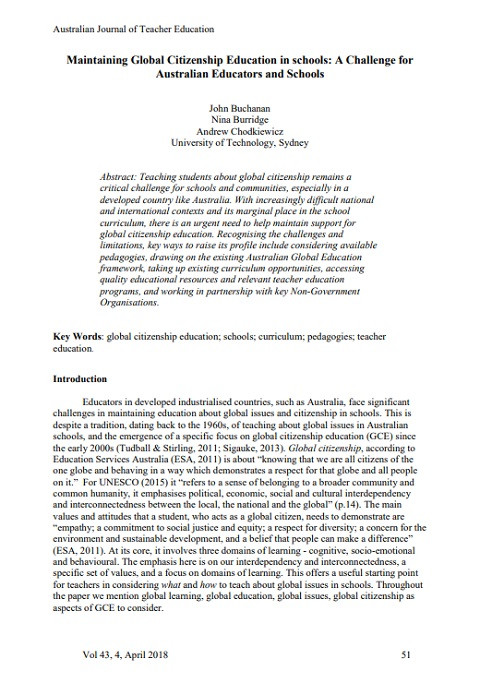 Maintaining Global Citizenship Education in Schools: A Challenge for Australian Educators and Schools (Vol. 43, No. 4) Year of publication: 2018 Author: John Buchanan | Nina Burridge | Andrew Chodkiewicz Corporate author: Australian Journal of Teacher Education Teaching students about global citizenship remains a critical challenge for schools and communities, especially in a developed country like Australia. With increasingly difficult national and international contexts and its marginal place in the school curriculum, there is an urgent need to help maintain support for global citizenship education. Recognising the challenges and limitations, key ways to raise its profile include considering available pedagogies, drawing on the existing Australian Global Education framework, taking up existing curriculum opportunities, accessing quality educational resources and relevant teacher education programs, and working in partnership with key Non-Government Organisations.