
Resources
Explore a wide range of valuable resources on GCED to deepen your understanding and enhance your research, advocacy, teaching, and learning.
8,354 Results found
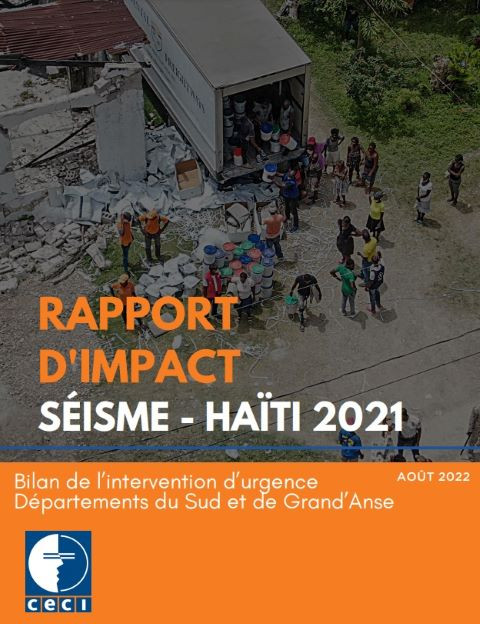 Impact Report-Earthquake-Haiti 2021 Year of publication: 2022 Corporate author: Centre for International Cooperation and Study (CECI) On August 14, 2021, a magnitude 7.2 earthquake struck the Great South of Haiti with full force, causing nearly of 2,300 dead and considerable material damage. This new natural disaster has come to worsen an already difficult socio-economic situation for families in this region of Haiti, which was barely within the devastating aftermath caused by Hurricane Matthew in 2016. From the first hours following the earthquake, CECI-Haiti, which was already carrying out 6 development in the departments of Grand-Anse and Sud, mobilized its teams to support government authorities, assess the needs of the population, in particular those of families and women, take stock of the damage and establish an action plan for recovery. The cities the most affected in the eastern region of the Grand'Anse department were the municipalities of Camp-Perrin, Roseaux, Coral, Beaumont, and Pestel.For the first emergency, the following priorities had been identified: Need for water supply; Need for drugs and agricultural inputs; Need for food and milk for the children; Need for tents and tarpaulins for temporary shelters; Need for sanitary products and clothing, portable toilets, etc.; Need for psychosocial support;To provide a rapid and significant response to urgent needs, CECI received funds from the public Canadian and obtained funding from the Ministry of International Relations and La Francophonie of the Government of Quebec.
 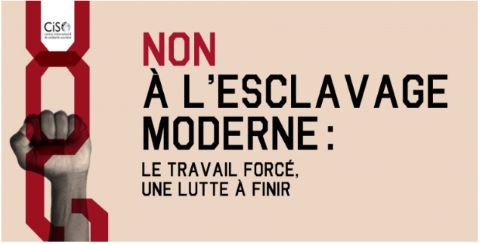 2018-2019: NO to Modern Slavery: Forced Labor, a Struggle to End Year of publication: 2019 Corporate author: International Labour Solidarity Centre The CISO has embarked with its partners on a three-year campaign against forced labour. In 2017-2018, he called for the ratification of ILO Convention 189 on the rights of domestic workers and publicized the violations of their rights here and elsewhere in the world. This year, it is tackling the task of making known the existence of forced labor in the agri-food and electronics sector in order to promote greater and effective mobilization against this scourge which offends the conscience and the rights of all workers in the world.
 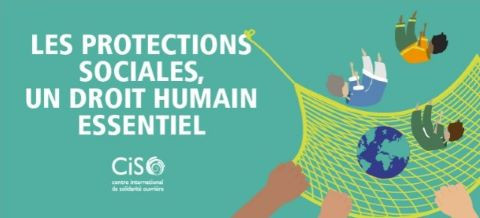 Campaign "Social Protections, an Essential Human Right!" Year of publication: 2021 Corporate author: International Labour Solidarity Centre Around the world, the COVID-19 pandemic has highlighted the inequalities in the individual and collective protection measures that societies had access to face the crisis. Unsurprisingly, we found that not everyone was equal in the face of the pandemic, quite the contrary. Countries with higher rates of social coverage and labor formalization have seen their populations much better prepared and equipped to deal with the aftermath. In contrast, places, where a large number of workers worked in precarious situations, suffered from an increase in the unemployment rate and a much higher rate of contagion.It is therefore with the current pandemic context in mind that the CISO has decided to set up the annual campaign under the theme of social protection for all, to raise awareness among the Quebec public about the precariousness of work. in the South and the North and the importance of social protection floors to protect the most vulnerable workers. Through this campaign, we want to present social protections not as a privilege but as an essential human right for all.
 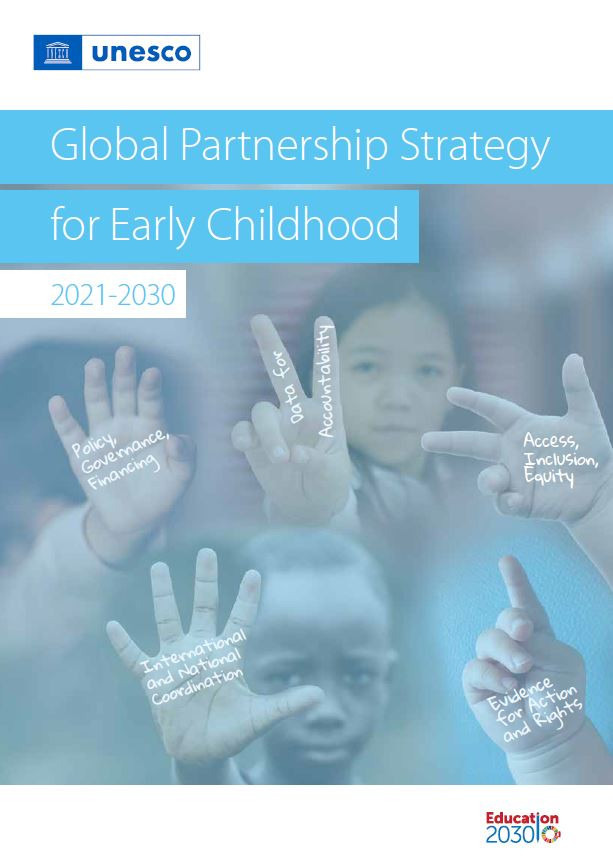 Global Partnership Strategy for Early Childhood, 2021-2030 Year of publication: 2022 Corporate author: UNESCO The Global Partnership Strategy for early childhood is the result of inter-agency efforts to counter the negative trend in education and to overcome the reduction and closure of services for health, nutrition, sanitation, and child protection in all regions of the world during the COVID-19 pandemic. Well-designed and implemented policies and services for early childhood care, education and development enable all countries to protect and guarantee child rights, achieve high rates of return on their investments in child and family development and widen avenues for transforming societies and lives.
 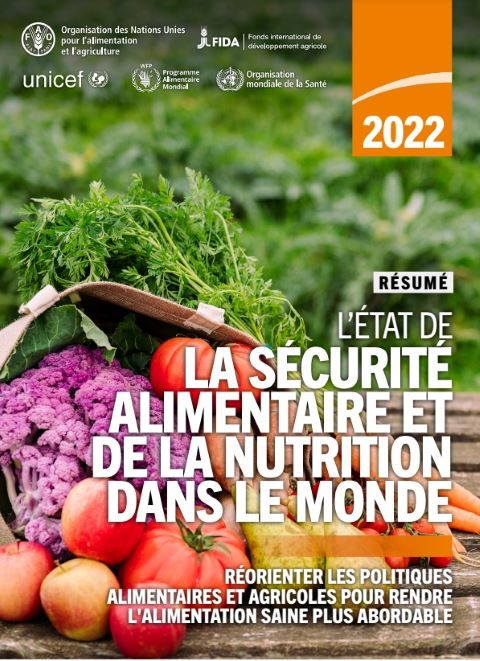 Security, Food and Nutrition in the World Year of publication: 2022 Corporate author: Food and Agriculture Organization of the United Nations (FAO) This report repeatedly highlights the intensification of the main factors of food insecurity and malnutrition: conflicts, climatic phenomena extremes, and economic shocks, the effects of which combine with those of the increase in some inequalities. The issue is not whether more trials are to come or not; it's about rather taking matters into their own hands with more courage and building resilience in the face of future shocks.
 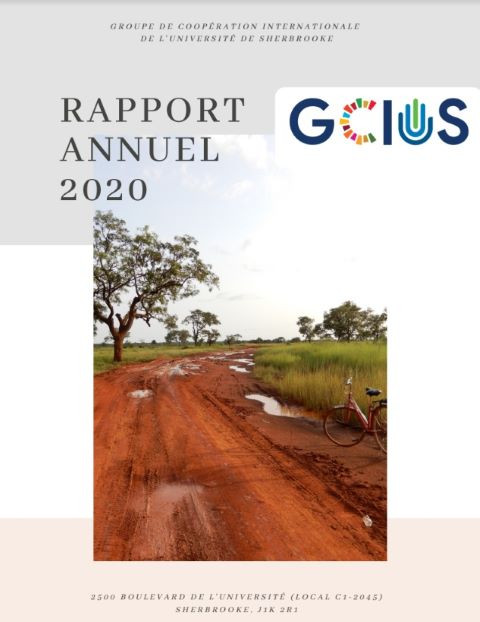 Annual Report 2020 Year of publication: 2020 Corporate author: University of Sherbrooke. International Cooperation Group The GCIUS has set itself the task of encouraging the emergence of sustainable development of local communities in the countries of intervention and UdeS students, through supportive, inclusive, and dynamic networks. The GCIUS supports students and local communities in the co-construction of multidisciplinary sustainable development projects aimed at improving living conditions for communities in need.
  Annual Report 2021 Year of publication: 2021 Corporate author: University of Sherbrooke. International Cooperation Group Our main orientations in 2021: Increase the capacities of GCIUS project management, through the development of management tools standardized; Increase outreach of the GCIUS with the student community of the UdeS, as well as with the community of practice; Promote mobilization, recruitment, and implementation of strategies equity, diversity, and inclusion in the GCIUS.
 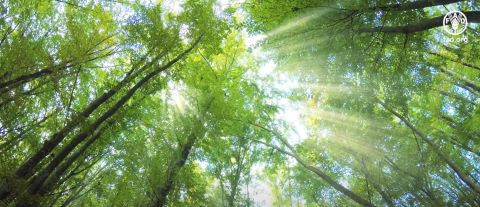 State of the World's Forests 2022: Green Recovery, Creating Inclusive and Sustainable Economies Year of publication: 2022 Corporate author: Food and Agriculture Organization of the United Nations (FAO) Forests stand as a vital defense against climate change and biodiversity loss, while also providing livelihoods for millions of people across the world. But they are under threat. In the last 30 years, they’ve lost an area larger than Algeria and Libya combined. FAO’s latest State of the World’s Forests (SOFO) report identifies three pathways that can conserve forests while supporting environmental and economic recovery: halting deforestation, restoring degraded forests, and sustainably using forests to build resilient local economies.
  Let's Build a Fairer and More United World, with Young People from Here and Elsewhere Year of publication: 2021 Corporate author: Quebec Association of International Cooperation Organizations (AQOCI) Discussion panel organized as part of the Quebec Days of International Solidarity (JQSI) by the Regional Committee for Education for International Development of Lanaudière (CRÉDIL) and the Table de concertation jeunesse en solidarité Internationale (TCJSI) of AQOCI. The event took place on November 25, 2021, and presented the engagement projects of young people from here and elsewhere to highlight the importance of youth involvement for the construction of a fairer and more united world.
  International Conference on Global Citizenship Education and International Solidarity Year of publication: 2022 Corporate author: Quebec Association of International Cooperation Organizations (AQOCI) Sharing of practices and reflections on education for global and solidarity citizenship. The conference was initiated by the international committee of the Festival des Solidarités (Festisol) and led by AQOCI (Quebec Association of International Cooperation Organizations). Several speakers from several countries discuss the challenges of the decolonial approach to education for global citizenship. The possible emancipation of marginalized people is explored.